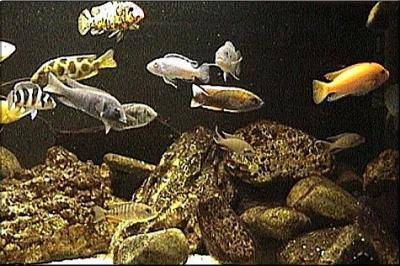
Lake Malawi Biotope Aquarium Setup
Lake Malawi, also known as Lake Nyasa in Tanzania and Lago Niassa in Mozambique, is one of the most famous rift lakes in East Africa. Formed 1-2 million years ago as part of the East African Rift system, it spans approximately 375 miles (604 km) in length and 53 miles (85 km) in width, making it the ninth-largest lake in the world. Lake Malawi is renowned for its crystal-clear waters and rocky shores, as well as its incredible biodiversity, particularly among cichlid species. This freshwater lake is bordered by Malawi, Mozambique, and Tanzania, and supports a highly specialized ecosystem.
Lake Malawi is home to an estimated 500 species of cichlids, many of which are endemic, meaning they are found nowhere else in the world. These cichlids are well-adapted to the lake’s rocky environment, evolving over time to occupy different ecological niches. This has resulted in a remarkable diversity of colors, shapes, and behaviors. Some of the most popular groups of cichlids in the aquarium trade include Mbuna (rock-dwelling cichlids), Peacock cichlids (Aulonocara species), and the larger predatory Haplochromines. Other species, such as Synodontis catfish, also inhabit this lake, complementing the cichlid-dominated ecosystem.
Setting Up the Aquarium
Creating a Lake Malawi biotope aquarium requires careful attention to replicating the rocky, hard-water environment where these fish thrive. Start by providing plenty of rocks and caves to mimic the natural habitat where many cichlids live, breed, and seek shelter. Consider stacking the rocks in a triangular or U-shaped arrangement, which allows for hiding spots and territorial boundaries. This design reduces aggression by enabling cichlids to establish territories. Use aquarium-safe rocks like limestone or tufa to replicate the lake's alkaline environment, and make sure they are securely stacked to prevent accidental collapses, which could harm the fish.
The substrate should reflect the alkaline water conditions of Lake Malawi. Crushed coral, aragonite sand, or dolomite are ideal as they buffer the water and maintain the high pH cichlids require. Aim for a pH between 7.8 and 8.6, with a hardness of 6-10 dH. The temperature should be maintained between 23-28°C (72-82°F) to replicate the lake's warm, tropical conditions. CO₂ injection is not necessary for this setup, but maintaining stable water chemistry is crucial.
Water flow should be moderate to simulate the natural currents found along the rocky shorelines of the lake. A high-quality external filter with biological media is recommended to maintain pristine water quality and ensure ammonia and nitrite levels remain low. Conduct 20-30% weekly water changes to maintain stability and prevent toxin buildup, as these fish are sensitive to poor water conditions.
Aquascaping Tips and Plant Choices
Aquascaping a Lake Malawi biotope focuses heavily on rock formations, as plants are sparse in the lake's rocky shores. Stacking rocks to create caves and crevices offers hiding spots for territorial cichlids and reduces aggression by giving them space to claim as their own. To prevent rock collapses, consider using aquarium-safe adhesives or support structures.
While Lake Malawi is not known for dense plant life, you can use Vallisneria as a background plant. Its long, grass-like leaves add a natural touch, gently swaying in the water. If you prefer a stricter biotope setup, plantless aquascaping is entirely valid, as cichlids from this region typically inhabit rocky environments with minimal vegetation.
For aquarists who are flexible on plant selection, hardy non-native species like Anubias and Java Fern can be added. These robust plants can be attached to rocks or driftwood, making them ideal for cichlid tanks where fish may dig or disturb the substrate. While not native to Lake Malawi, they complement the rocky landscape and withstand the digging habits of cichlids.
Fish Species for a Lake Malawi Biotope
The cichlid species native to Lake Malawi are the stars of this biotope. Several categories of cichlids are well-suited for your setup:
- Mbuna Cichlids: These rock-dwelling cichlids are territorial and need plenty of rock structures to minimize aggression. Popular species include Pseudotropheus, Melanochromis, and Labeotropheus. Known for their bright colors and active nature, Mbuna create an eye-catching display in the tank.
- Peacock Cichlids (Aulonocara species): Less aggressive than Mbuna, Peacocks are prized for their vivid metallic colors, especially males. They prefer sandy substrates and open swimming spaces with scattered rocks.
- Haplochromines: Larger and predatory, Haplochromines, such as Nimbochromis and Sciaenochromis, are more aggressive. These cichlids need plenty of space and do well with other large, robust species to avoid bullying smaller fish.
Other suitable fish include Synodontis catfish, such as Synodontis multipunctatus, which are well-adapted to living alongside cichlids. These bottom-dwellers help keep the substrate clean by scavenging for food, adding utility and variety to the tank’s ecosystem.
Water Conditions and Maintenance
Maintaining stable water conditions is essential for the health of Lake Malawi cichlids. The water should be hard and alkaline, with a pH between 7.8 and 8.6 and a hardness level of 6-10 dH. Regular monitoring of water parameters is key to preventing fluctuations that could stress the fish. Weekly water changes of 20-30% help keep nitrate levels low and the water clear.
In addition to monitoring water chemistry, proper filtration and oxygenation are critical. Cichlids produce a significant amount of waste, so strong filtration is necessary to keep the water clean. Consider adding air stones or a surface skimmer to improve oxygenation, ensuring the water is well-aerated for your active fish.
Conclusion
A Lake Malawi biotope aquarium offers the chance to recreate the stunning, rocky landscapes and vibrant biodiversity of this iconic African lake. By replicating the lake’s rocky shores, hard water conditions, and selecting the right mix of cichlid species, aquarists can enjoy the colorful displays and fascinating behaviors of these territorial fish. With careful planning and attention to water quality, a Lake Malawi biotope provides a rewarding and visually striking setup for cichlid enthusiasts.