YoYo loach - Botia almorhae
Scientific name: Botia almorhae
Common name: YoYo loach
Family: Cobitidae
Usual size in fish tanks: 8 - 10 cm (3.15 - 3.94 inch)
014
Recommended pH range for the species: 5.5 - 7.5
Recommended water hardness (dGH): 4 - 12°N (71.43 - 214.29ppm)
0°C 32°F30°C 86°F
Recommended temperature: 23 - 28 °C (73.4 - 82.4°F)
The way how these fish reproduce: Spawning
Where the species comes from: South Asia
Temperament to its own species: aggressive/territorial
Temperament toward other fish species: peaceful
Usual place in the tank: Bottom levels
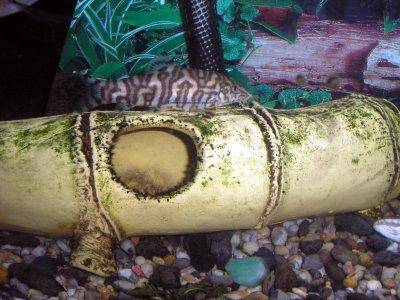
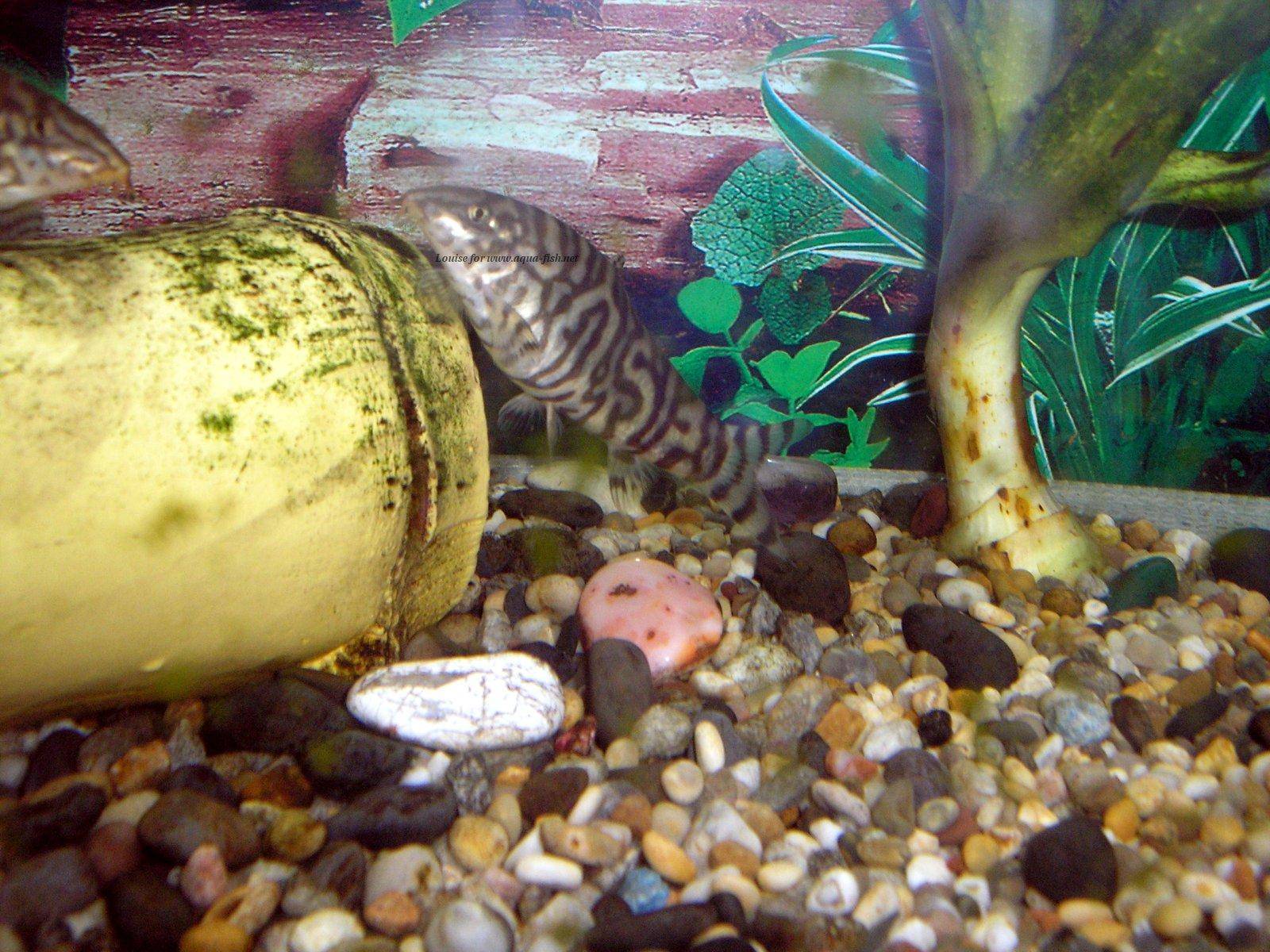
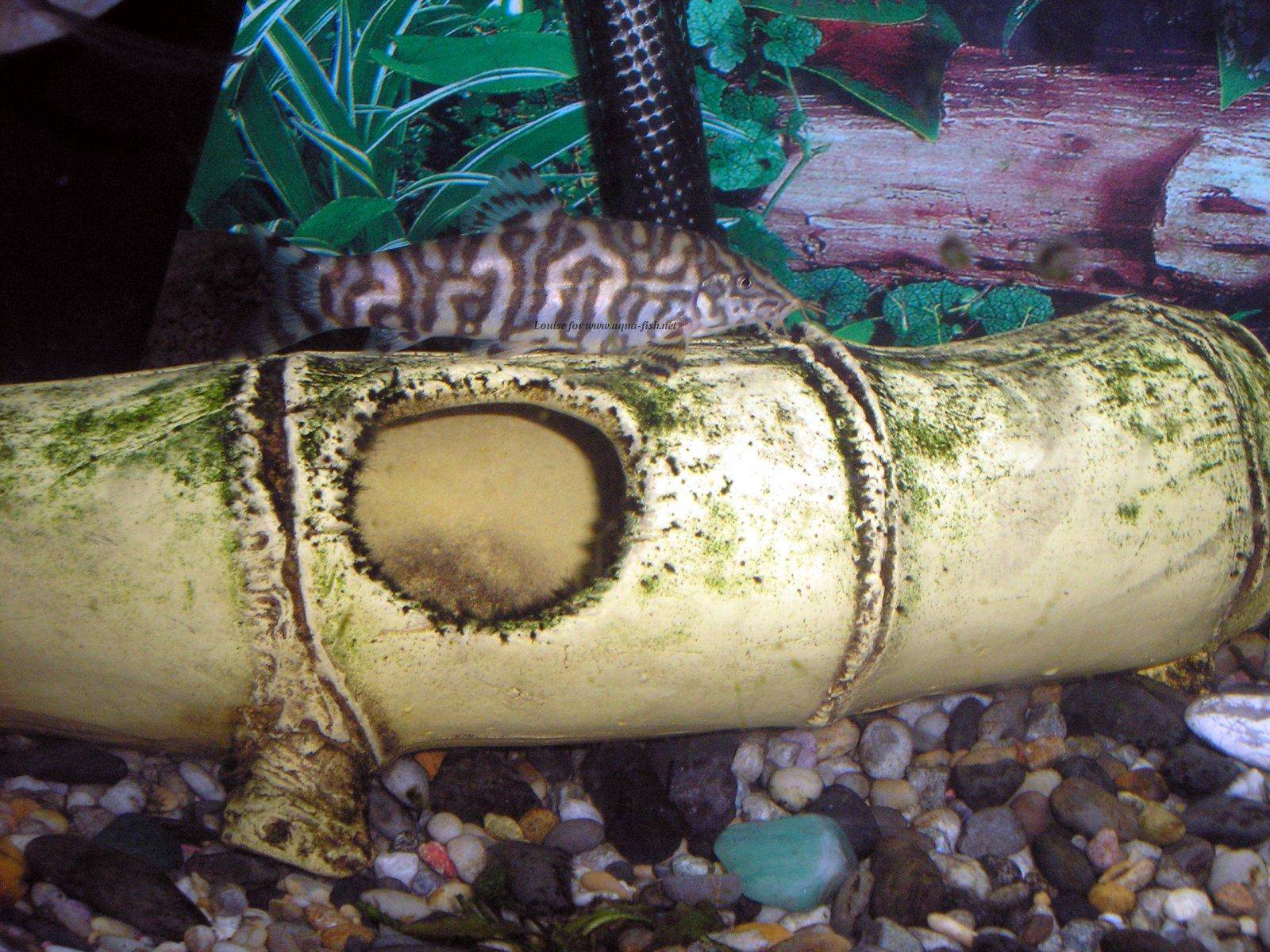
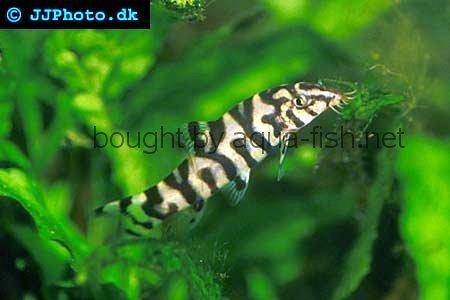
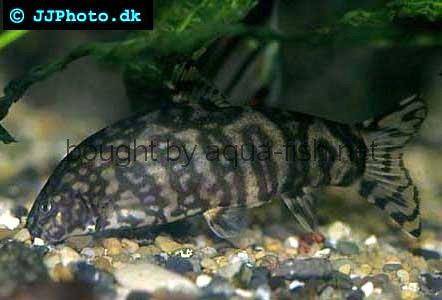
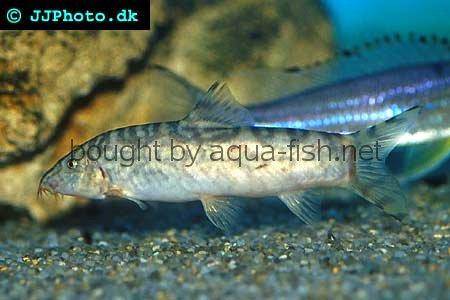
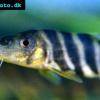
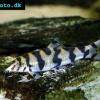
Yoyo loach is the common name of Botia almorhae (once called botia lohachata) that belongs to the botinae species, like clown loach. The fish was thought to have originated in Pakistan, though they are also found in India and Bangladesh, where almost all the botia we have in our aquariums are fished or live in big ponds for captive breeding. Yoyo loaches are mostly wild caught specimens as they do not breed easily in captivity.It has a rather interesting pattern and various strains of this form exist; Usually reaches 10 cm in length and it’s light grey body is characterized by dark spots that cover the entire fish from head to fins.Like other botia, the barbels at the sides of it’s mouth helps it to dig tunnels on the aquarium ground. Due its attitude is better to set up the tank with soft rounded gravel or sand, plants must be strong and can eventually be protected by stones or pots. Botia almorhae is a peaceful fish and can live in almost every aquarium, anyway it can be sometimes really territorial with other fish living on the ground, so house it only in big tanks not too much populated.Yoyo loach is more active during night, while during day stays repaired under plants or decorations, being a shy fish it is better not to have a strong lighting, or use some floating plants to shade the aquarium. Especially during night it can happen that they come under the surface to eat; anyway living on the ground they mostly eat the food fallen from other fish above, and other not floating product thought for them; the base of their diet can be constituted by common fish pellets and spirulina pellets.They require good quality water with efficient filtration. They are omnivorous and feed at the bottom of the tank thereby keeping the tank clean of uneaten food. They do best in medium to large planted aquariums, preferably with a sandy substrate as the species tends to grovel in the sand for these leftovers. The yoyo loach does best in a small group.
©Stokes(2005); ©Michela Ferretti(2006)
Feeding
Feed them granules, beef heart, etc. YoYo loaches tend to eat Ramshorn snails too.
Sexing
Nearly impossible to find differences between sexes.
Breeding
Not reported yet.
Lifespan
4-6 years.
Pictures
Thanks to Louise! Other pictures were bought from jjphoto.dk.
Video
Feel free to download our video here (49 MB, 640x480, mpeg, MPEG-1 type).
 Horseface
  Horseface
  Bengal
  Burmese
  Myanmar
  Blue
Blue  Zebra
Zebra  Clown
Clown  Dojo
Dojo  Kuhli
Kuhli  Loach
Loach  Tiger
Tiger 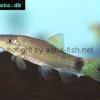 Tailspot