Mystery Snail & Apple Snail Guide – Care, Breeding, Tank Mates & More
Quick navigation – Answers
- Mystery Snail or Apple Snail – What’s the Difference?
- Understanding the Body Structure of Mystery Snails
- Do Mystery Snails Urinate?
- Best Tank Setup for Apple Snails
- Ideal Water Conditions for Mystery Snails
- Medication Warning – What to Avoid
- Compatible Tank Mates for Apple Snails
- What Do Mystery Snails Eat?
- How to Tell Male and Female Mystery Snails Apart
- Breeding Apple Snails – Everything You Need to Know
- How to Safely Transport Mystery Snails
- How Many Types of Apple Snails Exist?
- Can You Eat Apple Snails?
Expert Advice by Jan, keeping fish since 1995

Brief Description
This page provides all the essential information for keeping Mystery Snails in home aquariums - from basic care and breeding to compatibility with other species. It also includes a forum, pictures, and a Q&A section. We'd love to hear about your Mystery Snails! Once you've finished reading, scroll down to the bottom of this page and share your experience with us. You might also find these related pages on aqua-fish.net interesting: Types of Aquarium Snails and Ramshorn Snails.
Apple snails are one of the most sought-after freshwater snails for home aquariums. They are commonly known as Mystery Snails due to initial confusion in the aquarium trade about their exact species. These snails have become incredibly popular not only for their striking shell colors and patterns but also for their practical benefits in the tank. Mystery Snails are excellent algae eaters and help maintain water quality by consuming uneaten fish food and organic debris.
However, not all Apple Snails are the same - some species can also feed on live aquarium plants, making it crucial to select the right type for your tank. Unfortunately, pet store employees may not always correctly identify the specific species within the Ampullariidae family. This guide will help you distinguish different Apple Snail species and provide expert advice on their care, diet, and compatibility with tank mates. Before diving into care requirements, let’s first explore what makes Apple Snails unique.
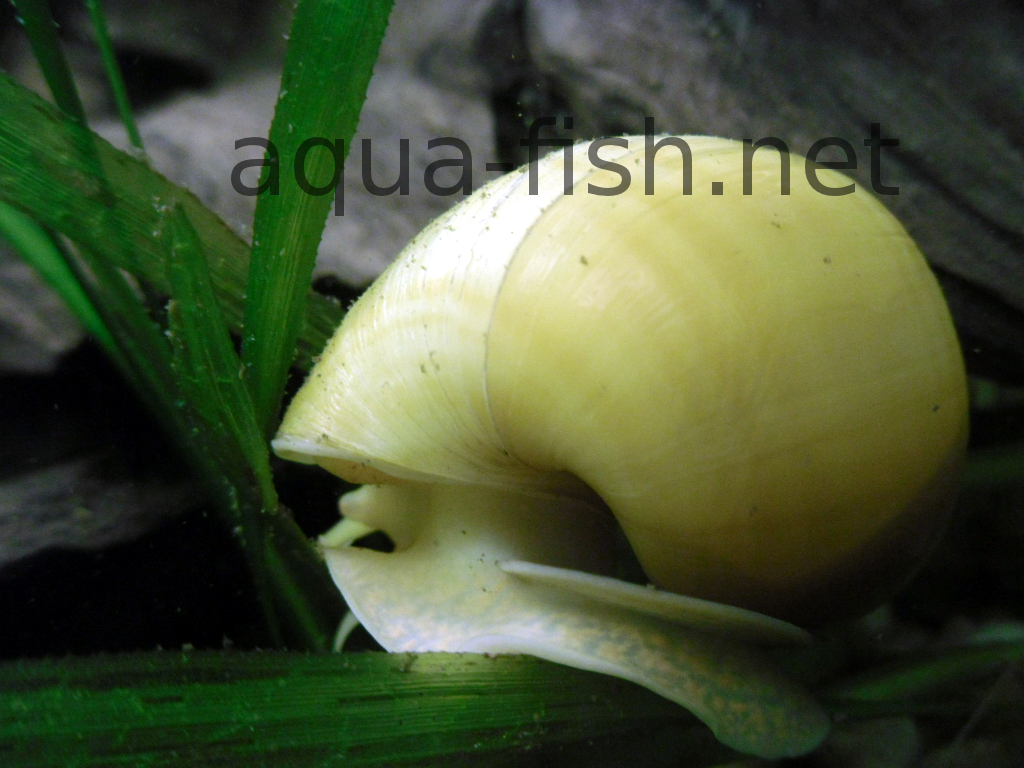
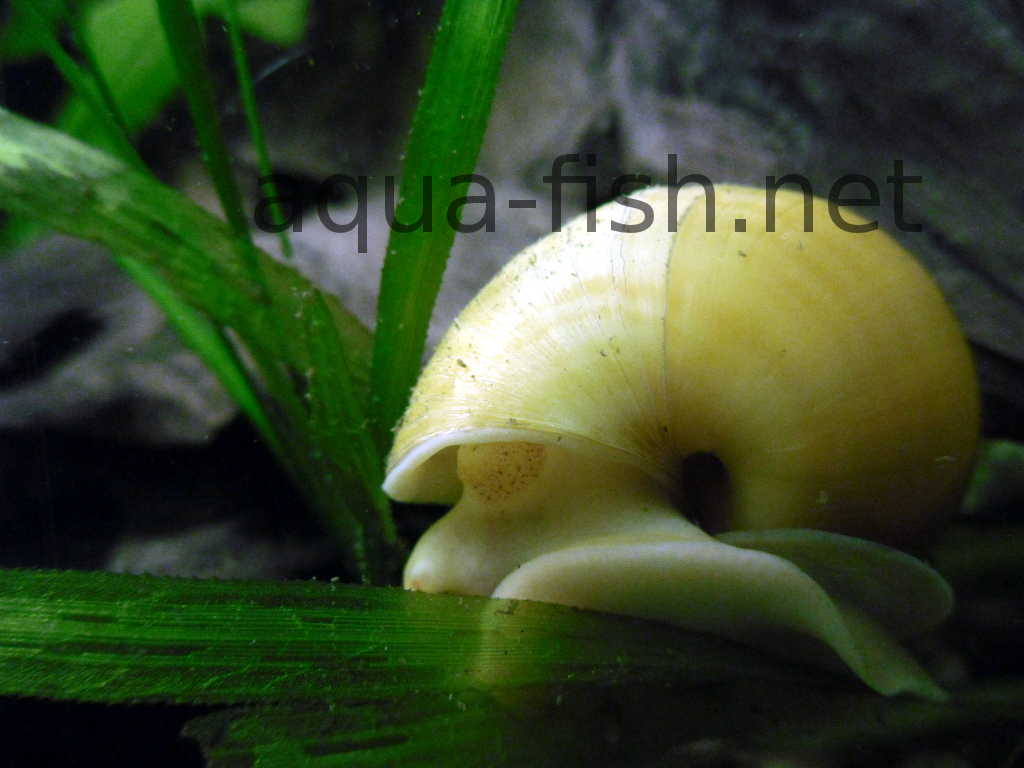
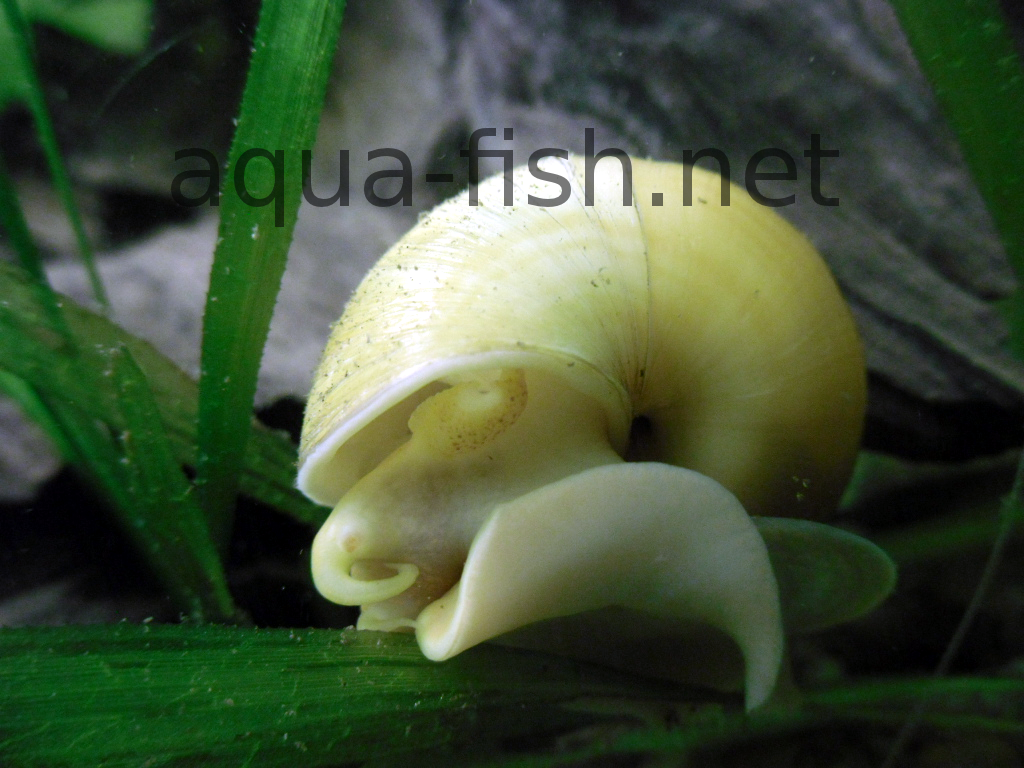
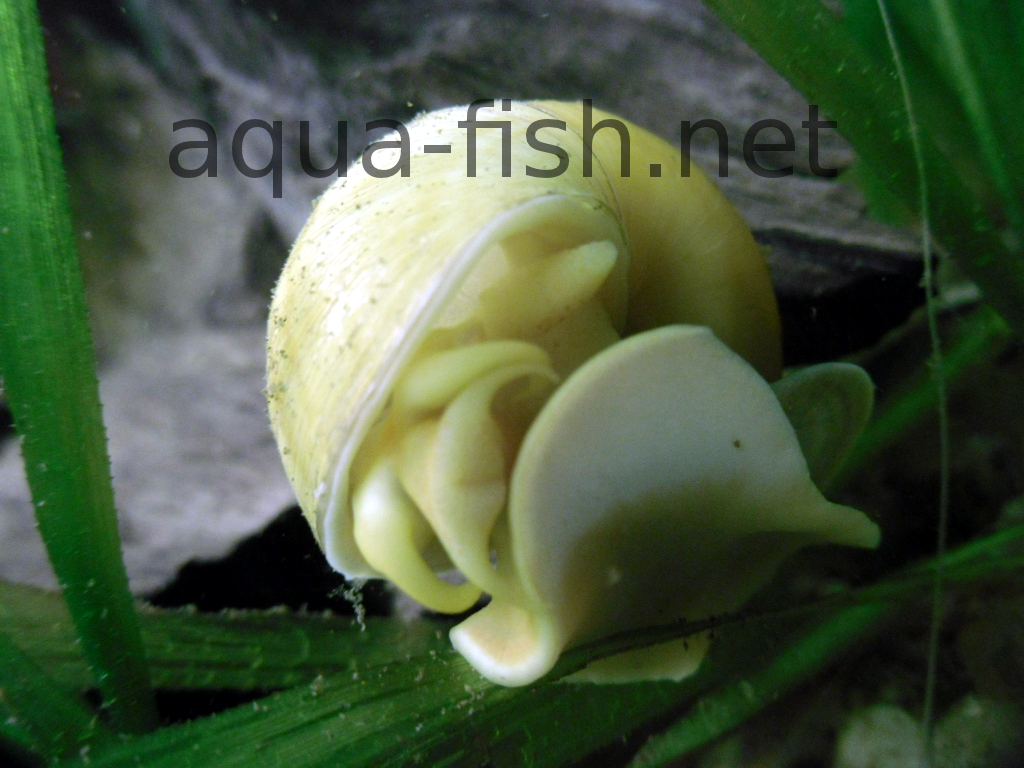
Anatomy of a Mystery Snail: Body Parts and Functions
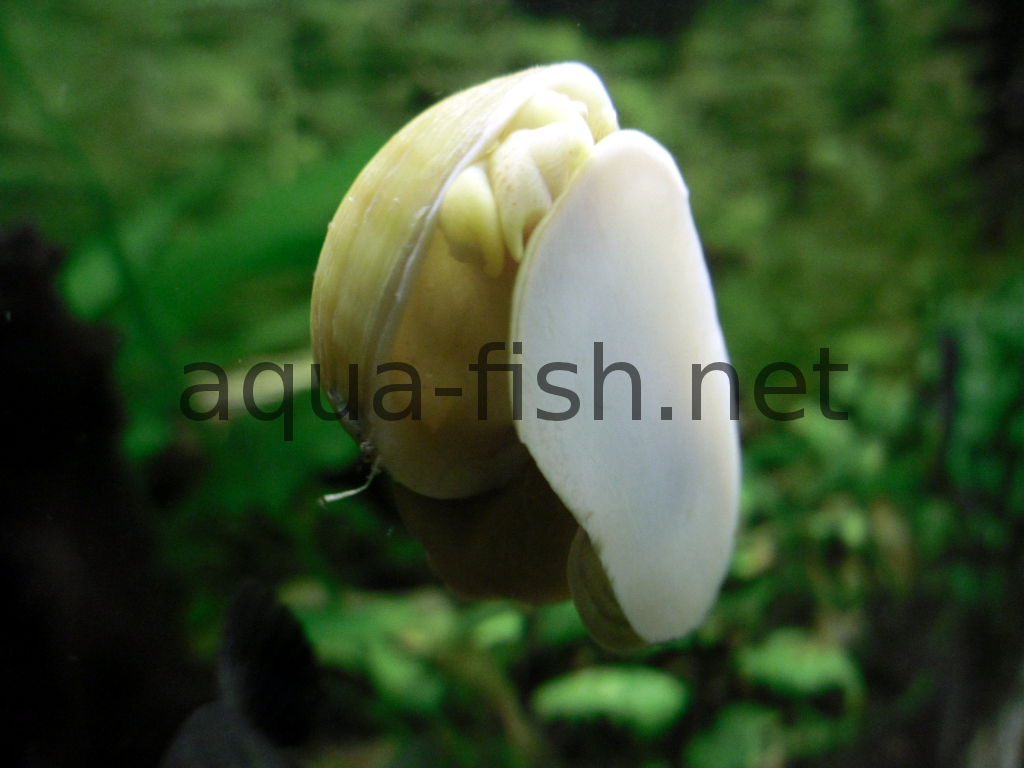
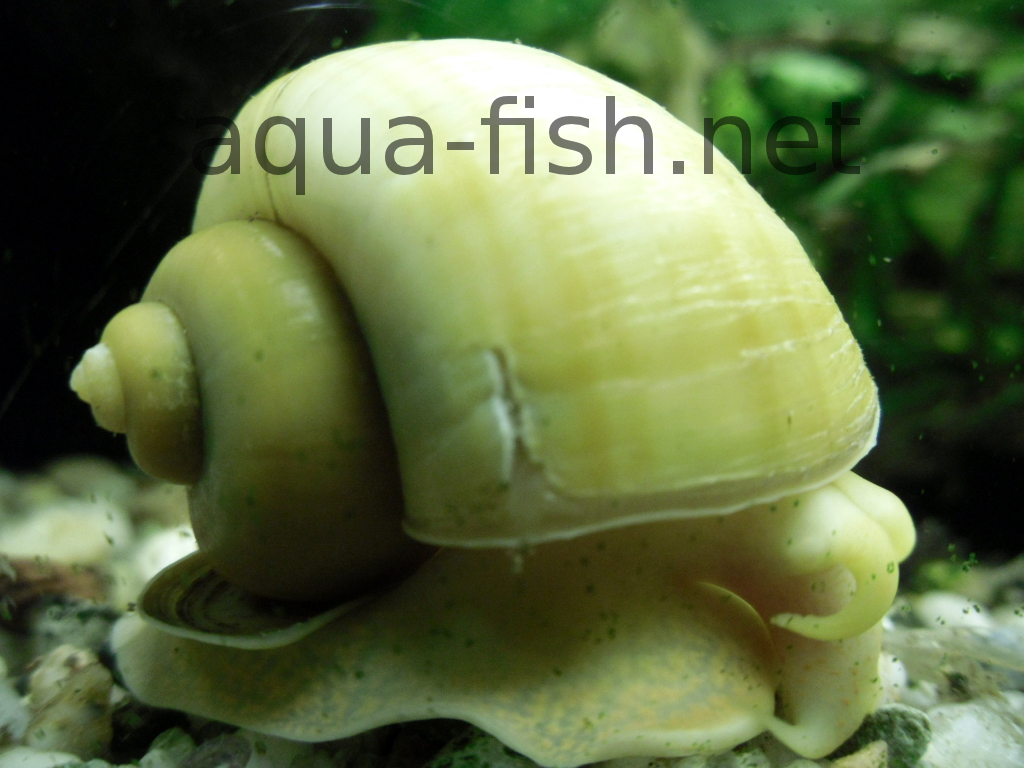
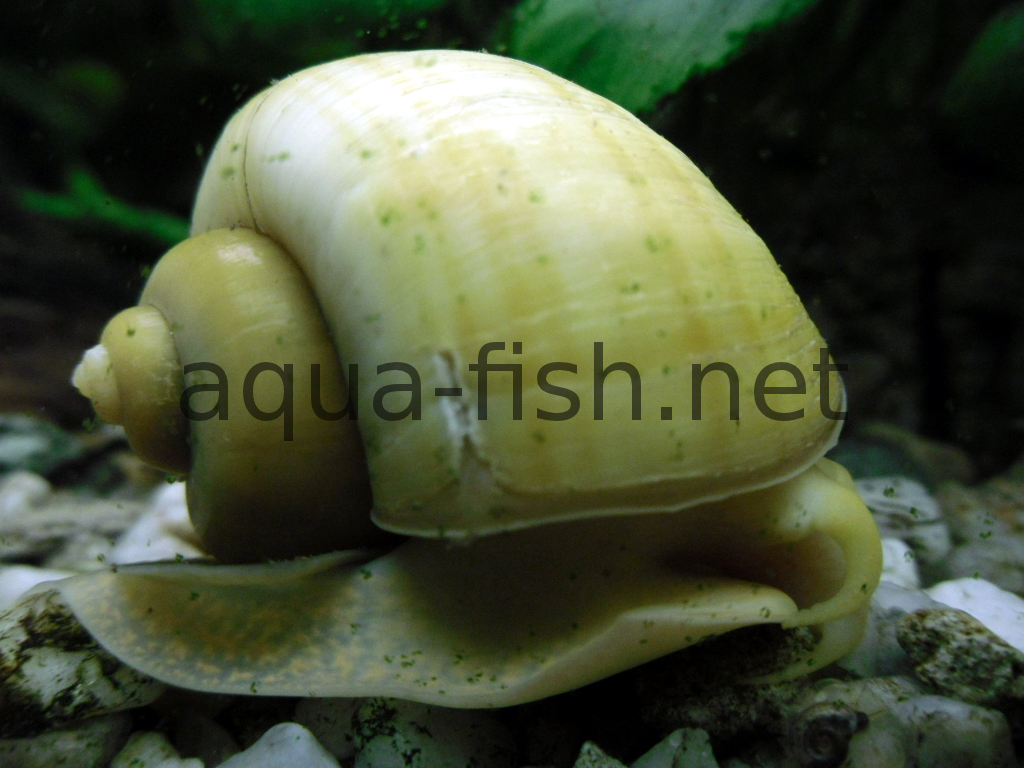
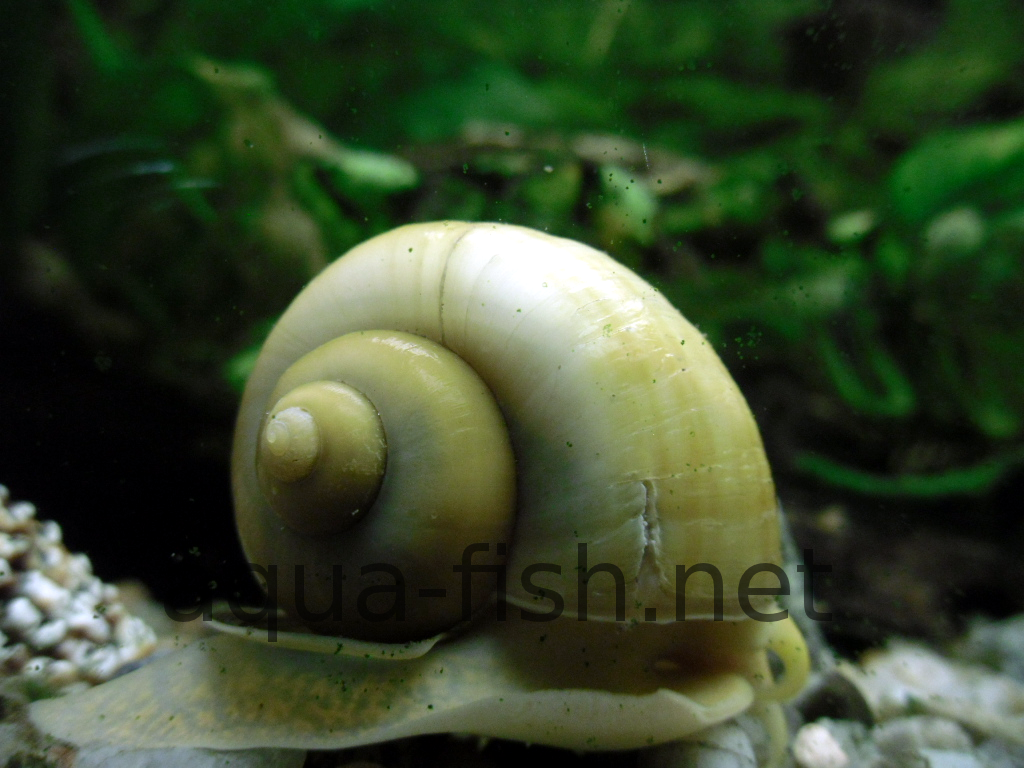
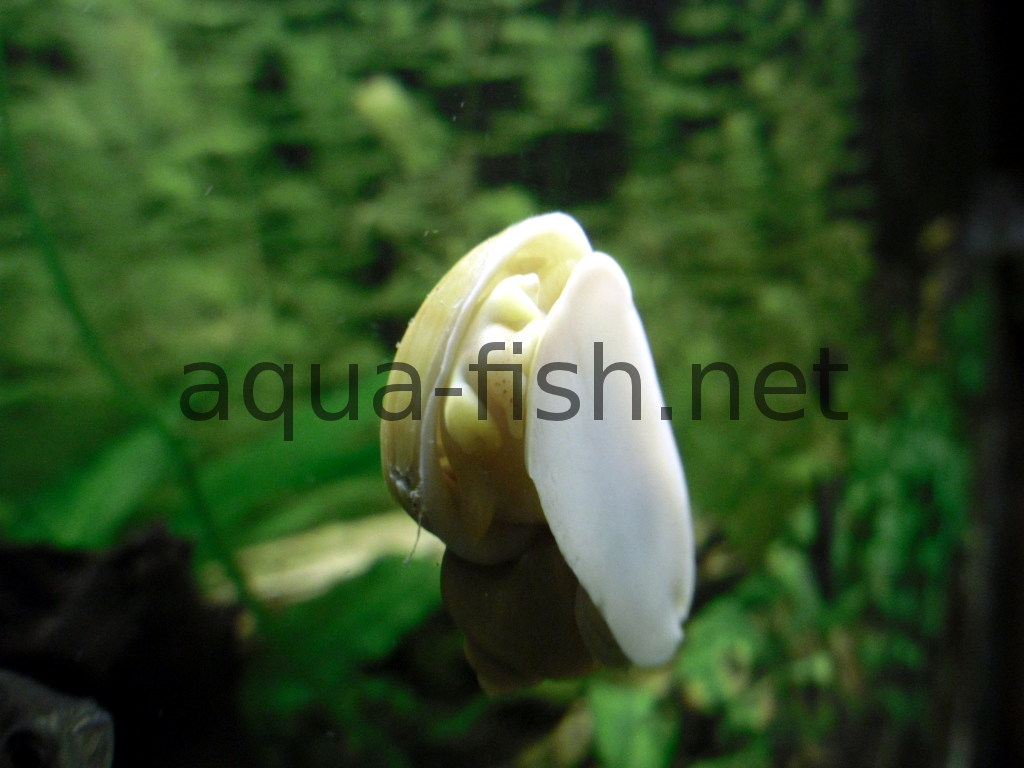
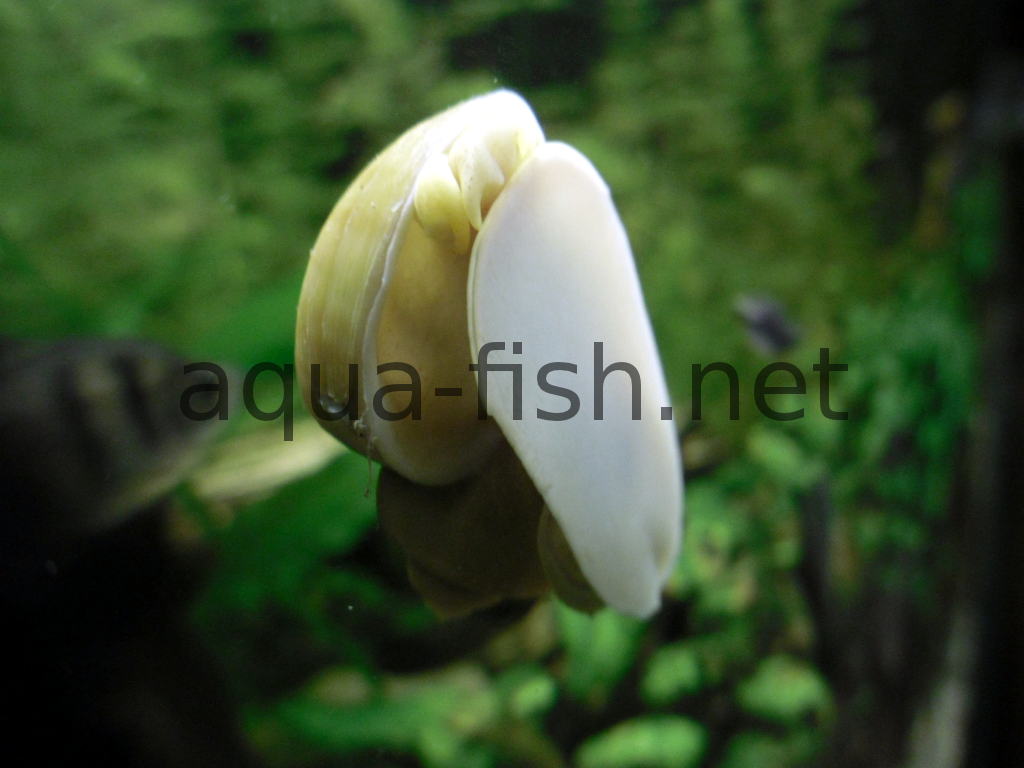
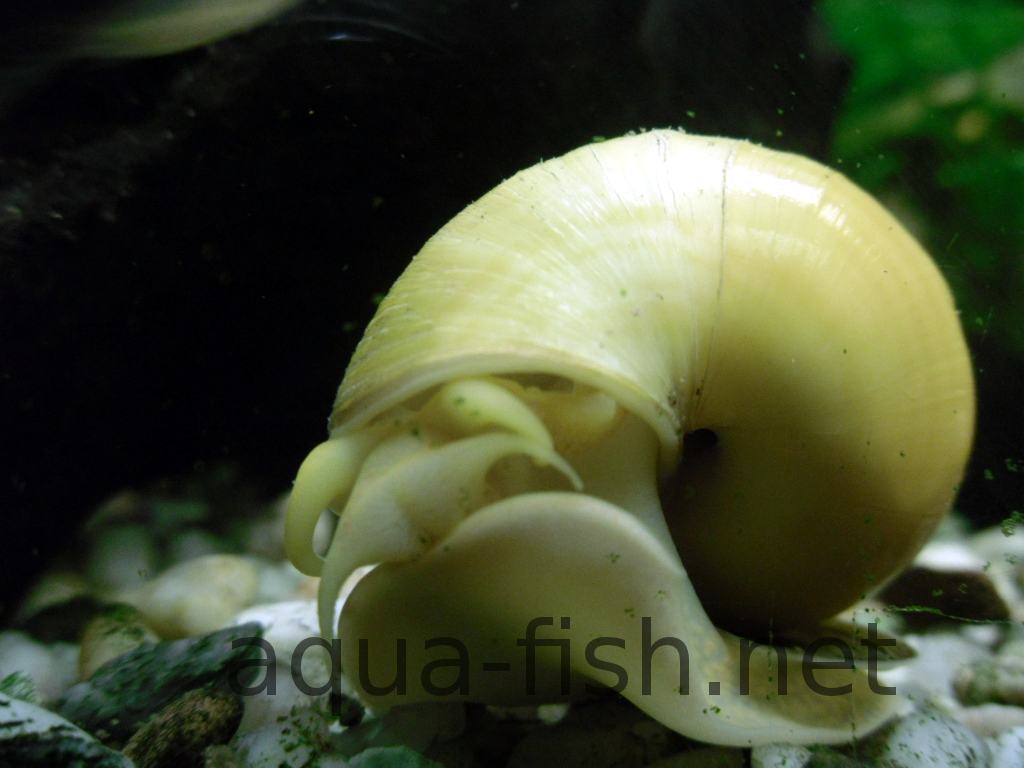
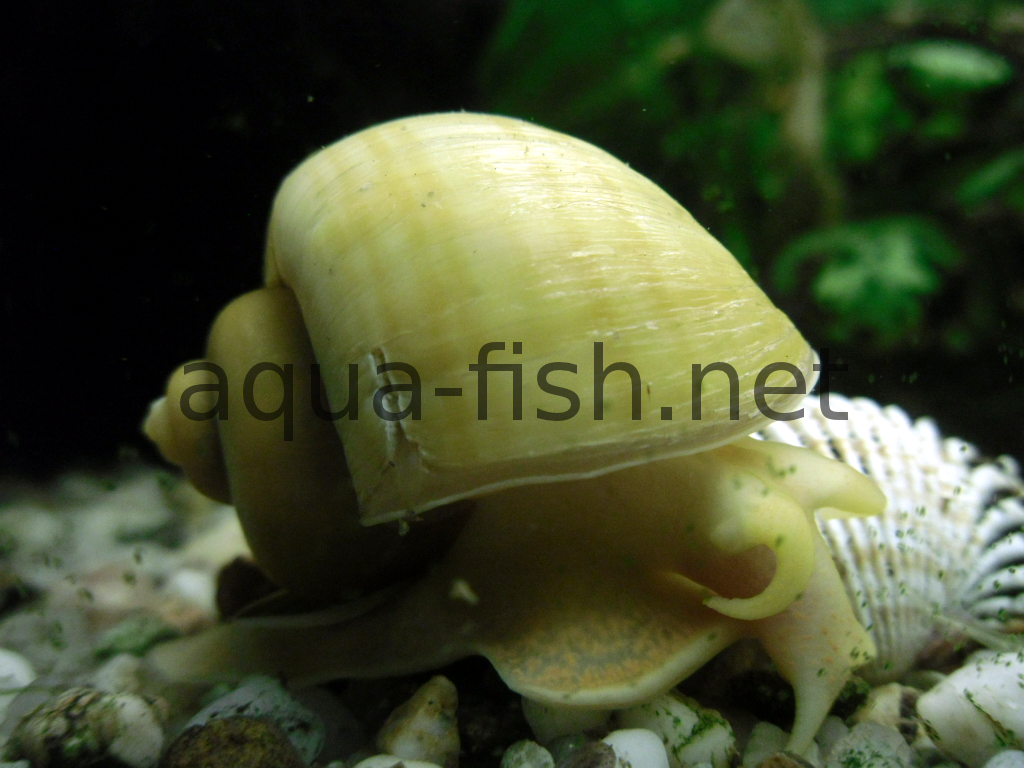
Mystery snails (Pomacea species) have a distinct body structure that sets them apart from other aquarium snails. Their most recognizable feature is their protective shell, which houses their soft body and provides defense against predators. A key characteristic of all Apple snails is the operculum, or shell door, which they use to seal themselves inside for protection. However, in some species, such as Pila, this structure calcifies on the inside.
Their tentacles play a crucial role in sensing their environment. They have three pairs:
- One pair houses their eyes, allowing them to detect light and movement.
- The cephalic tentacles, the longest pair, are used for navigating their surroundings.
- The labial tentacles help them locate and manipulate food.
Mystery snails are also equipped with a breathing siphon, a long tube that extends from under the shell. The siphon allows them to take in oxygen directly from the water’s surface, a useful adaptation for low-oxygen environments. The length of this siphon varies among species and can help distinguish different types of Apple snails.
Unlike many land snails, Mystery snails are excellent swimmers - though they don’t actually "swim." Instead, they use their muscular foot to glide along surfaces. They can also float, much like a submarine, by storing air inside their shell and releasing water to control buoyancy. This ability allows them to move effortlessly to the surface when needed.
The foot also serves another important function: food collection. When a Mystery snail detects floating food, it stretches its foot forward, creating a funnel-like shape to trap food particles. Meanwhile, the rest of its body remains anchored to a solid surface, such as the aquarium glass or a piece of driftwood.
Understanding the anatomy of a Mystery snail is essential for providing proper care. Their tentacles, siphon, and operculum all serve specific functions that contribute to their survival in home aquariums. If kept in a suitable environment with optimal water parameters, these snails thrive and display their natural behaviors, making them a fascinating addition to freshwater tanks.
How Does an Apple Snail’s Body Work?
Apple snails function much like other animals but with some unique differences. They have a heart with only two chambers, which pumps blood throughout their body. However, unlike mammals and fish, their circulatory system is open, meaning they lack veins and arteries. Instead, their blood flows freely between cells and organs, mixing oxygenated and deoxygenated blood. This type of circulation is called an open circulatory system.
Interestingly, their blood is not red like in most animals. Instead of hemoglobin, which gives human blood its red color, snails have hemocyanin, a copper-based molecule that turns their blood blue or colorless. Their blood also helps move their body, as snails lack bones. If a snail needs to stretch out a body part, it pumps blood into the area, causing it to expand. Their blood is filtered through kidneys, and yes, they do pee to remove waste.
Breathing: Lungs and Gills
Apple snails are uniquely adapted to breathe in different environments. They can use both gills and lungs, allowing them to survive in low-oxygen conditions. If the water has enough oxygen, they breathe through their gills, just like fish. However, when oxygen levels drop, they switch to lung breathing. To do this, they extend a specialized breathing tube (siphon) above the water surface and pump air under their shell. This dual respiratory system makes them highly adaptable to changing water conditions.
Digestion: How They Process Food
Apple snails have small, tooth-like structures in their mouths that help them bite and grind food. After chewing, food travels to their U-shaped stomach, which is divided into three sections. Here, digestive enzymes and mucus break down the food. The nutrients are absorbed in the intestine and transported into the bloodstream. Any undigested food is expelled through the anal papilla, located near the shell opening.
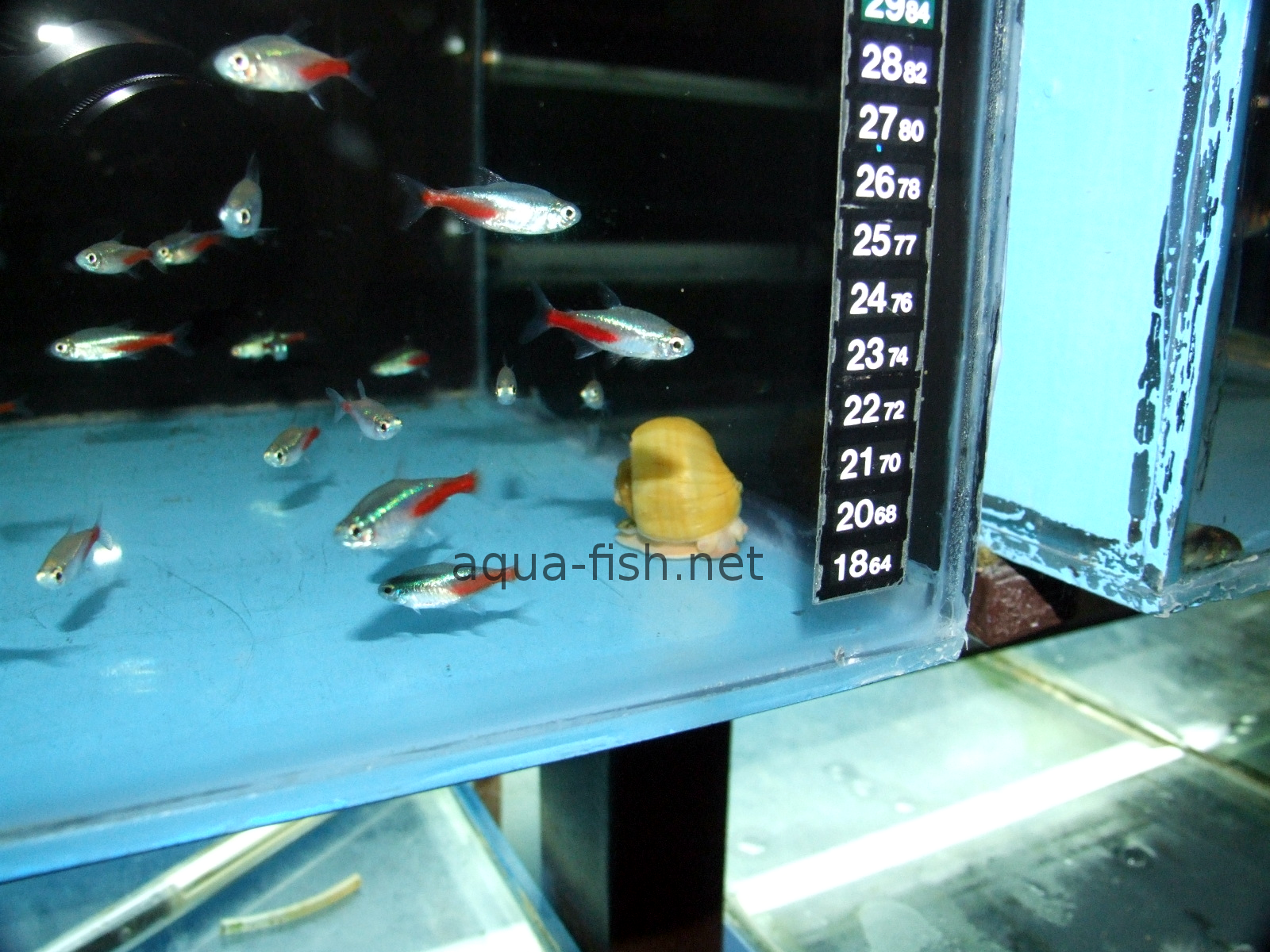
Senses: How Mystery Snails Perceive Their Environment
Among all their senses, smell is the most developed in Mystery snails. Their keen sense of smell helps them locate food, even in murky water. In contrast, their eyesight is poor, making them rely more on other senses. Although they do have eyes, their vision is limited to detecting light and movement, but they cannot see detailed objects.
Additionally, Mystery snails are completely deaf, meaning they cannot hear sounds in their environment. Instead, they rely on touch to navigate. They extend their tentacles to feel their surroundings and detect obstacles. Their entire body is covered in sensory receptors, which allow them to sense pressure changes, water currents, and chemical composition. These receptors help them determine important factors like pH levels, oxygen concentration, and water quality.
Thanks to these highly sensitive receptors, Mystery snails can quickly respond to changes in their environment, whether it's detecting food, avoiding predators, or adjusting to new water conditions.
Tank Setup for Mystery Snails
When setting up a tank for Mystery snails (also known as Apple snails), proper space and water conditions are crucial. Each snail that grows up to 5 cm (1.97 inches) in size requires a minimum of 10 liters (2.64 US gallons, 2.20 Imperial gallons) of water. If you plan to keep larger species, such as Pomacea maculata, which can grow up to 15 cm (5.91 inches), you’ll need a more spacious tank.
A unique requirement for Mystery snails is providing adequate air space above the water. A gap of at least 15 cm (5.91 inches) between the water surface and the tank lid is necessary, as some species lay eggs above the waterline. Additionally, snails often rise to the surface to breathe atmospheric air using their breathing siphon. A secure lid is highly recommended, as these snails are known to climb out of tanks, and a fall onto a hard surface can be fatal.
Lighting is not essential for Mystery snails, as their poor eyesight means they do not rely on vision. However, if you plan to keep live plants in the aquarium, moderate lighting will be beneficial. For those interested in breeding Mystery snails, a well-lit tank can also promote algae growth, providing a natural food source for baby snails.
Water Conditions & Adaptability
Mystery snails can thrive in both clear or slightly murky water, as they are naturally adapted to seasonal changes in their native habitats. In the wild, during the dry season, water levels drop, sometimes leaving behind only muddy pools. To survive, these snails burrow into the mud and seal their shells with their operculum until rain returns.
Since they possess both gills and lungs, Mystery snails do not require highly oxygenated water. If oxygen levels are low, they will instinctively rise to the surface, extend their breathing siphon, and inhale air. Observing this behavior can serve as a useful indicator that additional aeration may be needed in the tank.
Optimal Water Conditions for Mystery Snails
Mystery snails (also known as Apple snails) are relatively hardy, but maintaining proper water parameters is essential for their health and longevity. A key requirement is a calcium-rich environment, as calcium is crucial for maintaining a strong and healthy shell. Without sufficient calcium, their shells may begin to dissolve, leading to surface damage, ragged textures, and eventually cracks that can be fatal.
Key Water Parameters for Mystery Snails
- pH Level: 6.5 – 7.5 (Stable pH is essential to prevent stress)
- Water Hardness: Ensure moderate to high calcium levels to support shell strength
- Temperature: Optimal range is 20 – 28°C (68 – 82.4°F)
- Safe Levels of Ammonia, Nitrites & Nitrates: Keep ammonia, nitrites, and nitrates low to prevent toxicity
- Avoid Heavy Metals: Copper is extremely toxic to snails, so avoid medications and tap water containing copper
How to Identify Water Quality Issues
If all of your snails suddenly attempt to leave the water by climbing up the tank walls or filter, this is a strong sign that water conditions are poor. Possible causes include:
- High levels of ammonia, nitrites, or nitrates
- Presence of toxic metals such as copper
- Drastic fluctuations in pH or temperature
If you notice these signs, immediately perform a 50% water change using clean, dechlorinated water. For routine maintenance, change 10 – 25% of the water weekly, depending on how much waste your snails produce.
Temperature & Lifespan
Mystery snails are tropical species, and their activity level and lifespan are influenced by water temperature:
- Cooler temperatures (20°C / 68°F): Reduced activity, longer lifespan (up to 4 years)
- Optimal breeding temperature (28°C / 82.4°F): Encourages reproduction
- Extreme heat (38°C / 100.4°F): Can be fatal within hours
Certain Ampullariidae species, such as Pila globosa, are particularly sensitive to colder temperatures and may not survive for extended periods if kept below 20°C (68°F). If temperatures drop to 18°C (64.4°F) or lower, many Mystery snails will enter a state of hibernation, while prolonged exposure to extreme cold may result in death within hours or days.
By maintaining stable water conditions, Mystery snails can thrive and live for up to 4 years in ideal conditions, or around 2 years in warmer environments with higher activity levels.
Mystery Snails and Aquarium Medications: What You Need to Know
Mystery snails are highly sensitive to many common fish medications, especially those containing copper or other heavy metals. Since most aquarium treatments are designed specifically for fish, they can be toxic to snails and other invertebrates.
Why Are Medications Dangerous for Mystery Snails?
- Copper-based medications: Extremely toxic to snails and can be fatal even in small amounts.
- Antibiotics & antiparasitic treatments: Some broad-spectrum treatments can harm snails by disrupting their delicate biological systems.
- Tank-wide medication risks: Many treatments alter water chemistry, which can stress or kill snails.
How to Safely Treat a Tank with Mystery Snails
To protect your snails when treating a sick fish, follow these precautions:
- Use a quarantine tank: Always isolate sick fish in a separate tank to avoid exposing snails to harmful medications.
- Remove snails if treating the main tank: If quarantining isn't possible, move your snails to a separate container with clean, conditioned water until the treatment is complete.
- Check medication ingredients: Avoid products that list copper sulfate, formalin, or malachite green, as these can be lethal to snails.
- Perform water changes after treatment: Before reintroducing your snails, perform multiple partial water changes and use activated carbon in the filter to remove medication residues.
Safe Alternatives for Treating Fish in a Snail Tank
If you must medicate a tank with snails present, consider natural remedies or snail-safe treatments. Some options include:
- Aquarium salt (with caution): A low-dose salt bath (in a separate container) can help fish with mild infections.
- Increased water changes: Frequent water changes can improve fish health without using chemicals.
- Herbal treatments: Some plant-based treatments are safer for snails, but always research before use.
By taking these precautions, you can effectively treat sick fish without endangering your Mystery snails. Always research medications carefully and prioritize quarantine tanks to keep your snails safe.
Best Tank Mates for Mystery Snails
When choosing tank mates for Mystery snails, it’s best to stick with peaceful, non-aggressive fish that won’t harass or prey on them. Ideal companions include:
- Tetras – Small, peaceful schooling fish that won’t bother snails.
- Bristlenose Catfish – Bottom-dwellers that coexist well with snails.
- Corydoras – Another peaceful bottom-feeder that won’t harm snails.
Fish That May Cause Issues
Some fish species are curious or mildly aggressive, which means they may nip at a snail’s tentacles or harass them:
- Angelfish – Generally peaceful but may peck at snails out of curiosity.
- Gouramis – Some individuals may be curious or territorial.
Fish to Avoid
Some fish species are known to actively prey on snails or harass them. It’s best to avoid the following:
- Botia Loaches – Known for eating snails and will actively hunt them.
- Paradise Fish – Can be aggressive and may attack snails.
- Puffer Fish (Tetraodons) – One of the biggest snail predators.
Size Matters for Protection
Larger snails have a better chance of avoiding predation. If you plan to keep Mystery snails with semi-aggressive fish, choosing full-grown snails may help them stay safer.
By selecting the right snail-friendly fish species, you can ensure a peaceful and well-balanced community tank where your Mystery snails can thrive.
Feeding Mystery Snails: Diet & Nutritional Needs
Mystery snails are primarily herbivores but exhibit scavenger behavior, meaning they will consume a wide variety of foods. Providing a balanced diet ensures their health, vibrant shell color, and longevity.
What Do Mystery Snails Eat?
While Mystery snails thrive on plant-based foods, they are also opportunistic feeders. Here’s a breakdown of their dietary preferences:
- Algae – Young snails actively graze on algae, but older ones may prefer easier food sources.
- Fish Food Leftovers – Flakes, pellets, and dried shrimp left uneaten by fish will be consumed.
- Fresh Vegetables – Slices of cucumber, zucchini, carrots, and lettuce make excellent fresh treats.
- Decaying Plant Matter – Species like Pomacea diffusa prefer consuming decomposing plants rather than live ones.
- Live Aquarium Plants (Caution!) – Some species, such as Marisa cornuarietis, Pomacea canaliculata, Pomacea maculata, and Pomacea paludosa, will eat live plants, potentially devouring all vegetation in the tank.
- Frozen & Dried Foods – Occasionally, they will accept frozen foods like bloodworms and brine shrimp.
Safe Feeding Practices
- Wash Vegetables Thoroughly: To avoid pesticide exposure, wash fresh produce well. If possible, opt for organic vegetables to prevent contamination from fertilizers and chemicals.
- Remove Uneaten Food: Excess food can rot, affecting water quality.
- Blanch Hard Vegetables: Boiling hard vegetables (like carrots) slightly softens them, making them easier for snails to eat.
Scavenging Behavior
Mystery snails play a role in tank cleanliness by consuming organic waste:
- They will eat decaying plants and detritus, helping to break down organic matter.
- They may consume dead fish or other snails if left in the tank, but they are not predators.
- Fish eggs, even in bubble nests, can become a food source if not protected.
By offering a diverse diet and monitoring their eating habits, you can keep your Mystery snails well-fed while maintaining a healthy and balanced aquarium ecosystem.
Breeding Mystery Snails: A Complete Guide
Mystery snails (Pomacea spp.) are gonochoristic, meaning they have separate sexes. To successfully breed them, you will need both a male and a female. Identifying their sex is difficult, but observing their mating behavior can provide clues.
Understanding Mystery Snail Mating
- During mating, the male climbs onto the female’s shell and extends a tube-like organ (similar in appearance to their breathing siphon) to transfer sperm.
- The female can store sperm for months before fertilizing her eggs, allowing her to lay multiple clutches without mating again.
Egg Laying Process
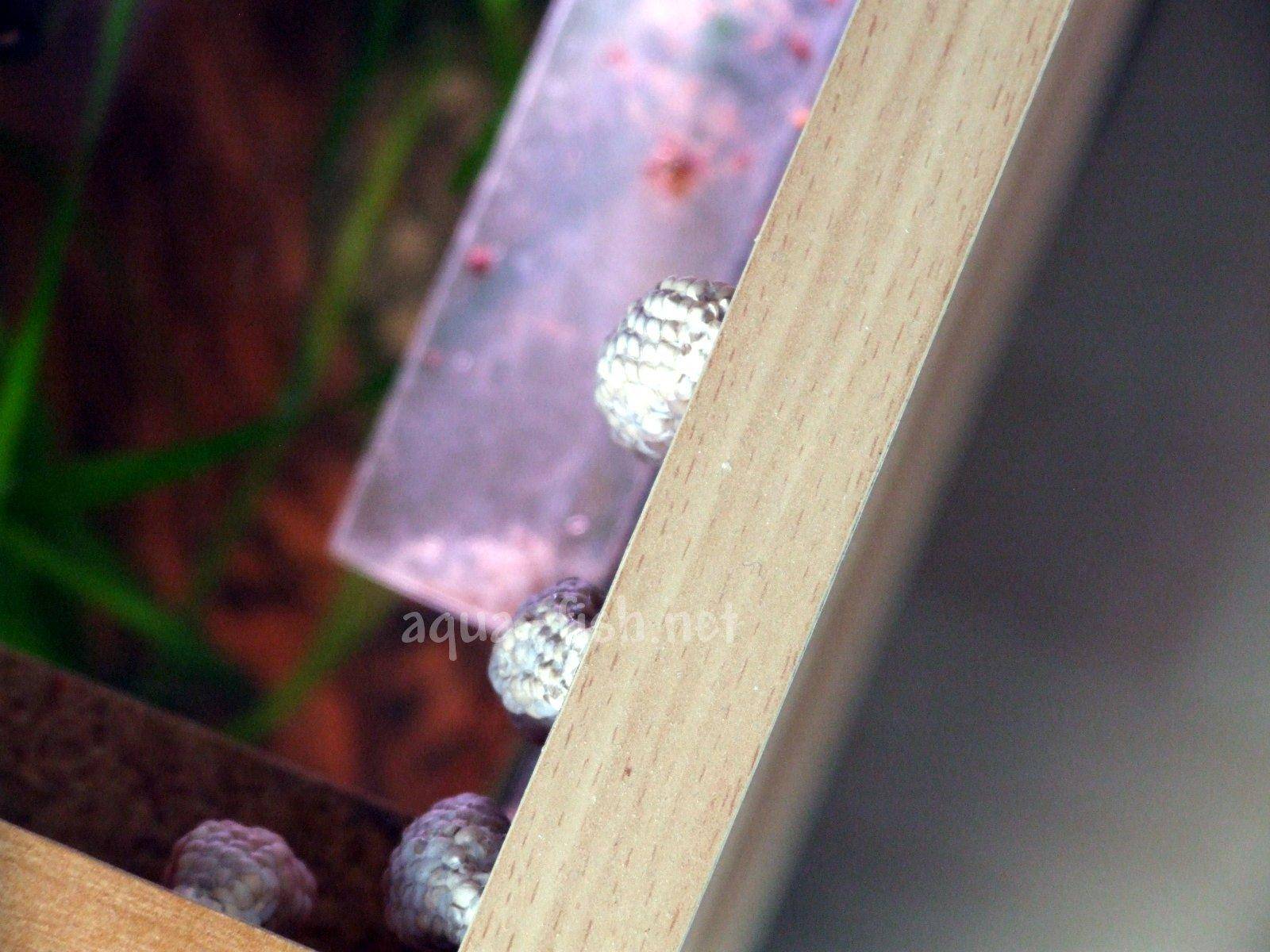
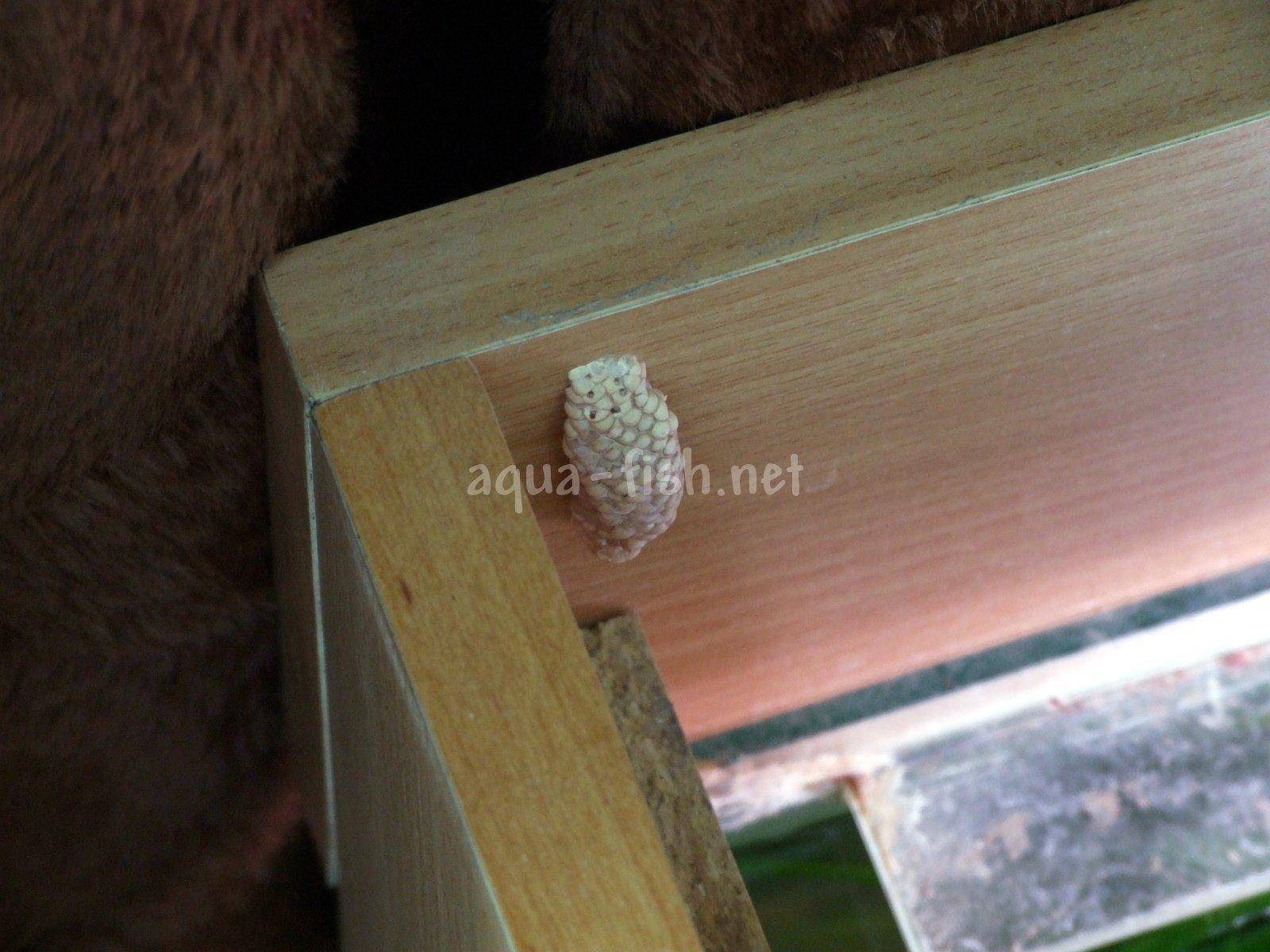
A healthy female Mystery snail can produce one egg clutch every 6 days for several weeks, especially in the warmer months of spring and summer.
- Egg Location: Mystery snails lay their eggs above or below the waterline, depending on the species.
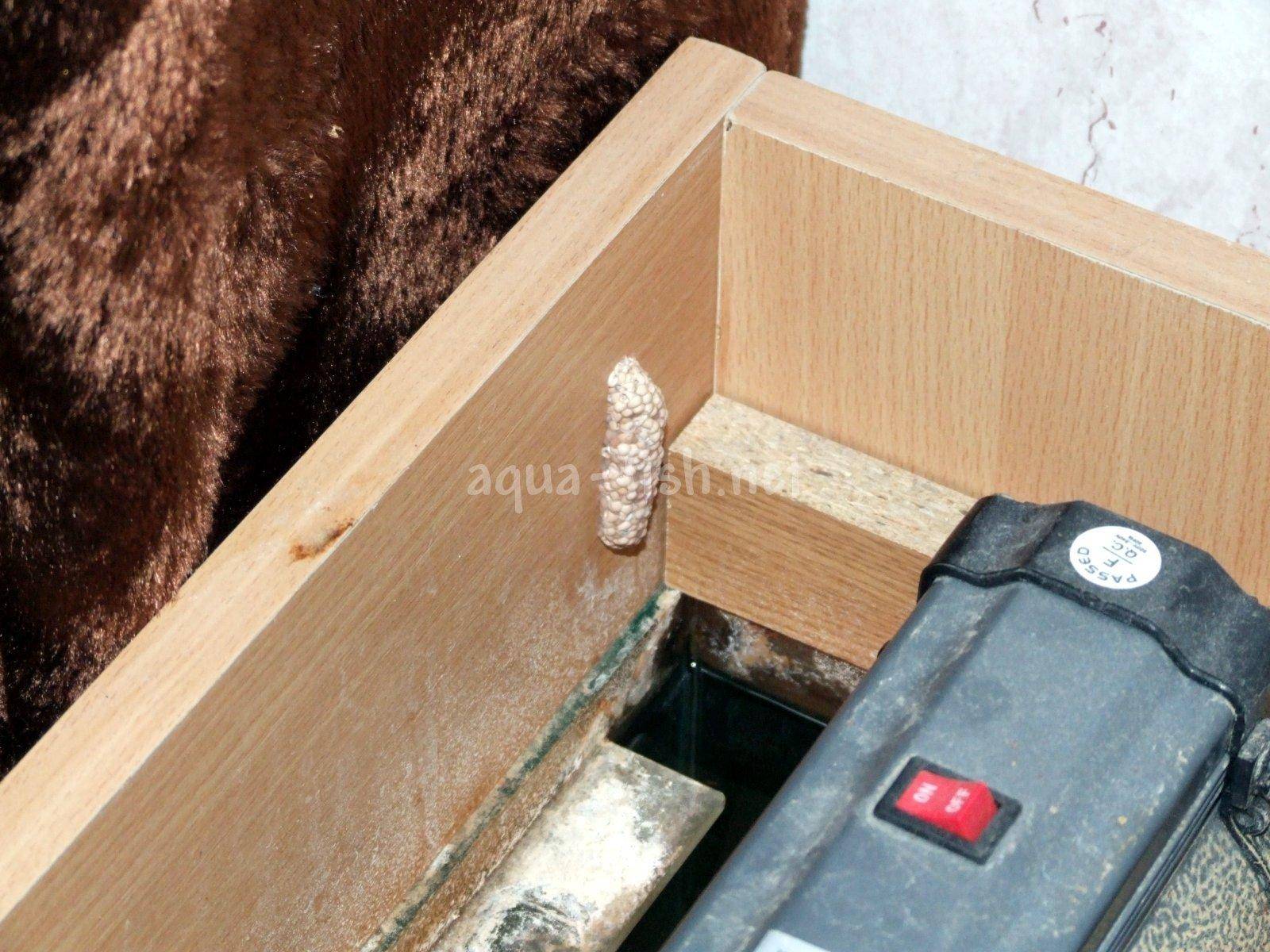
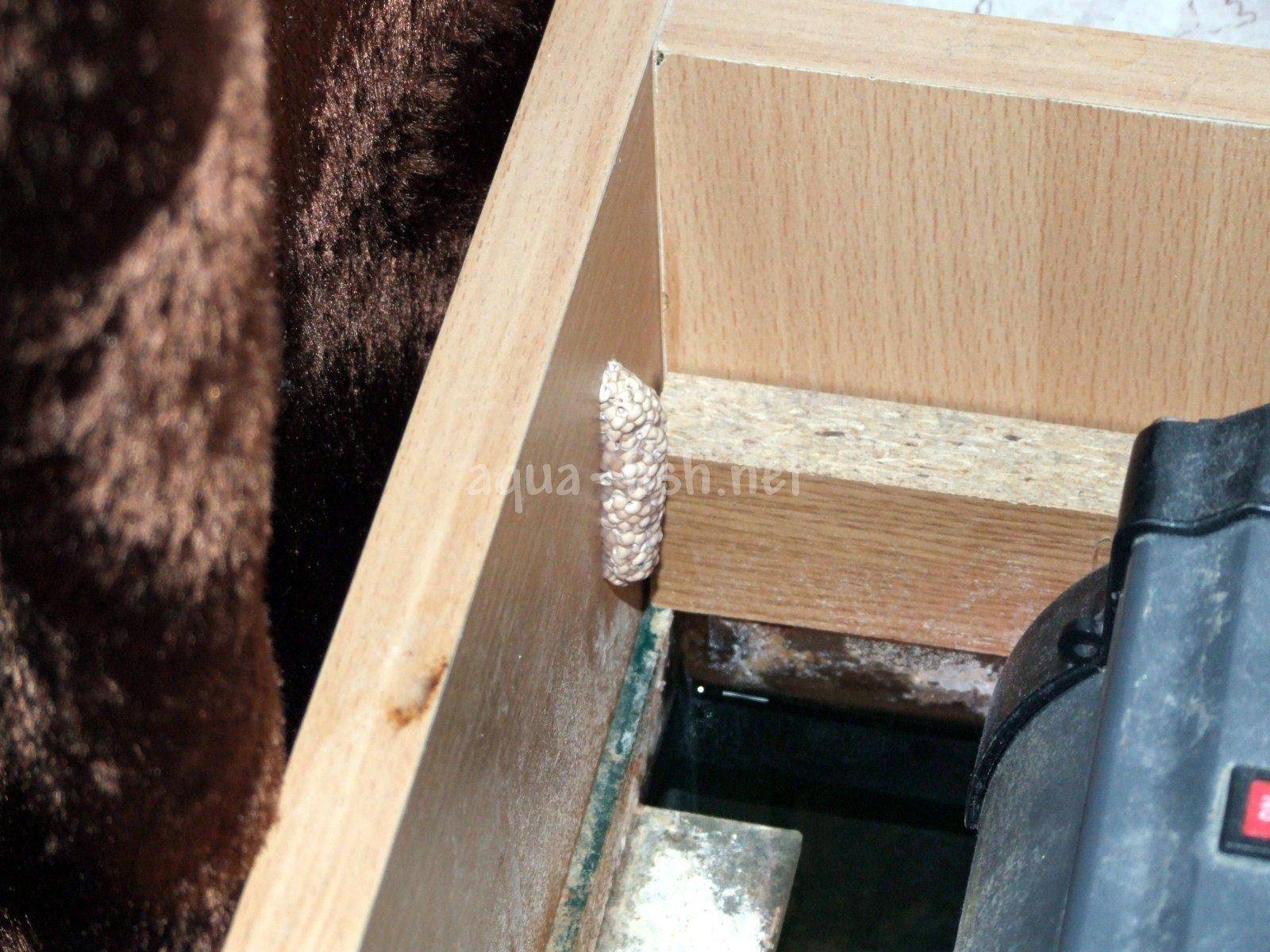
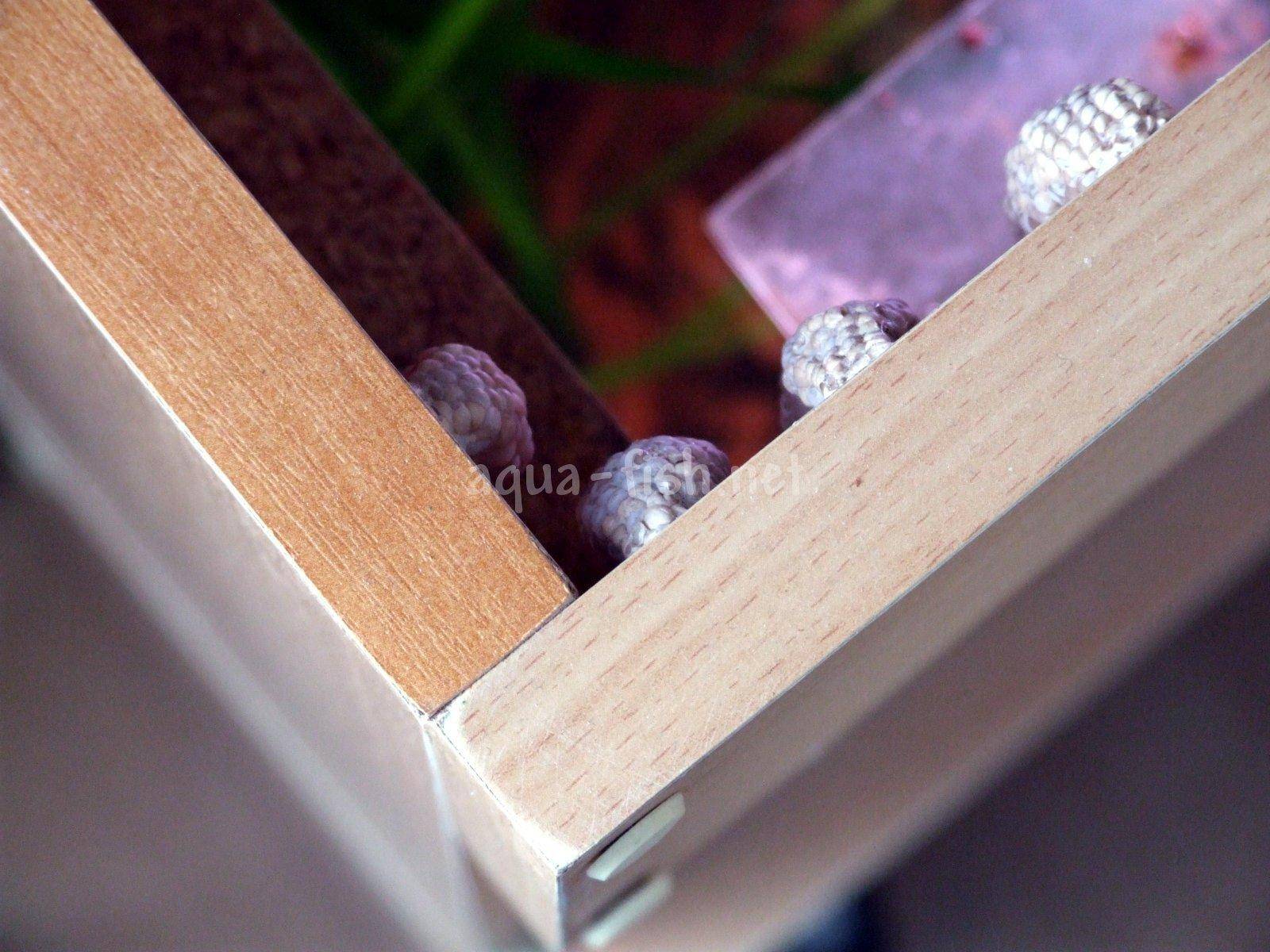
- Above Water Eggs: If the eggs are laid above the water, the surrounding air must be humid but not wet - water exposure will kill the eggs.
- Underwater Eggs: Some species lay eggs below the water, encased in a gelatinous sac.
How to Care for Mystery Snail Eggs
If you want to hatch the eggs, follow these steps:
- Maintain a humid environment: If the eggs are above the water, ensure high humidity but avoid direct contact with water.
- Avoid disturbance: Snail eggs are fragile. If possible, leave them in place.
- Moving the clutch: If necessary, gently detach the eggs from the glass by wetting the point of contact and slowly nudging them loose.
- Incubate in a moist area: Place the eggs above a tank with a water temperature of 28°C (82.4°F) for optimal hatching conditions.
- Monitor hatching progress: The eggs will take 2 to 4 weeks to hatch. Warmer temperatures accelerate development, but excessive heat can be fatal.
What If the Eggs Don’t Hatch?
If the eggs have not hatched after four weeks:
- Carefully break open a few eggs to check for live snails.
- If there are developed snails inside, submerge the clutch in water to help them escape.
- If the eggs appear dry and undeveloped, they were likely infertile or lacked proper humidity during incubation.
Raising Baby Mystery Snails
Once the baby snails hatch, they become independent immediately. Here’s how to ensure their survival:
- Feed them finely crushed algae wafers, spirulina powder, and soft vegetables.
- Keep water parameters stable and ensure the presence of calcium for proper shell growth.
- Avoid strong currents - baby snails are delicate and can be swept away easily.
With the right care, Mystery snail hatchlings grow quickly and will soon become valuable members of your aquarium cleanup crew.
Breeding Categories of Apple Snails
Apple snails (Ampullariidae) can be classified into different breeding categories based on where they lay their eggs. Understanding these differences helps aquarists provide the right conditions for successful breeding.
- Snails that lay eggs above the water surface: These species deposit their egg clutches above the waterline, where they require high humidity but must remain dry to hatch successfully. Examples: Pomacea, Asolene pomella, Pila.
- Snails that lay eggs underwater: These species encase their eggs in a gelatinous sac, which remains submerged. The transparent nature of the sac allows aquarists to observe the development of the baby snails inside. Examples: Asolene asolene, Felipponea, Marisa, Lanistes.
- Live-bearing Apple Snails (Pomacea urceus): This unique species does not deposit eggs like other snails. Instead, the female retains the eggs under her shell until the baby snails are fully developed. Once ready, the juveniles emerge from under her shell and begin their independent life. This process, however, leaves noticeable marks on the female’s shell where the eggs were attached.
Baby Mystery Snails have the same dietary needs as their parents, so there is no need for specialized food. However, it’s important to ensure that food is easily accessible, as hatchlings should not have to travel long distances to find nourishment. A tank with natural algae growth provides a continuous food source, making it easier for young snails to feed.
Adult Mystery Snails do not exhibit parental care and will not interact with their offspring. However, a potential issue may arise if baby snails attempt to feed on the slime coating of fish in the same aquarium. While this behavior is rare, it's something to monitor when keeping snails and fish together.
Purchase and Transport
When purchasing a Mystery Snail, it is typically provided in a plastic bag - sometimes with water, sometimes without. While this method is suitable for short-distance transport, it is not ideal for longer journeys.
For extended travel, place the snail in a small plastic container lined with moist paper towels or a damp cloth to keep its shell protected. Ensure the container has adequate airflow; if using a sealed container, puncture small holes in the lid to allow oxygen exchange. For very long-distance transport, ventilation holes are essential to prevent suffocation.
Types of Apple Snails
Apple snails belong to the family Ampullariidae and are categorized into eight genera: Afropomus, Asolene, Felipponea, Lanistes, Marisa, Pila, Pomacea, and Saulea. Collectively, these genera encompass approximately 120 species, though the actual number may be lower due to difficulties in distinguishing certain species.
The most reliable way to differentiate between species is by examining their shell structure, coloration, and operculum. However, some species look remarkably similar, making visual identification challenging. Additionally, environmental factors can influence shell shape and color, sometimes making two genetically distinct snails appear identical or, conversely, causing the same species to develop different shell variations.
Afropomus
Afropomus is a rare genus of Apple snails native to a small region in Central Africa. It includes only a single known species: Afropomus balanoideus.
This species features a black or gray body and a yellow or brown shell adorned with dark lines. Unlike some other Apple snail species, it has a short breathing tube and short tentacles. Due to its limited distribution and rarity in the aquarium trade, Afropomus balanoideus is not commonly found in home aquariums.
Asolene
The Asolene genus of Apple snails is native to South America, primarily found in two regions: one in Paraguay and Southeastern Brazil and another near the Argentina, Brazil, and Uruguay borders.
The most distinctive feature of this genus is its short breathing tube. These snails inhabit fast-flowing, well-oxygenated streams, reducing their reliance on surface breathing. The genus is further divided into two subgenera: Asolene and Pomella. However, due to their reproductive differences - Asolene species lay eggs underwater, while Pomella species lay eggs above the water - some biologists suggest that Pomella should be classified under the Pomacea genus.
Asolene (Asolene) spixi: This species has a golden shell with irregular black bands that start at the shell opening and extend along the spiral. It is one of the slowest-moving Apple snails and prefers to stay buried in the substrate, especially during the daytime. If the water temperature is too low, it may remain hidden for extended periods.
Asolene (Pomella) megastoma: This species has an almost flat shell spiral and can grow up to 10 cm (3.94 inches). Despite its fragile and pitted appearance, its shell is structurally strong. The shell color varies from brown to green, while the foot is beige with purplish edges and yellow spots. Pomella species lay pink-colored eggs above the water surface. These snails are well-adapted to fast-flowing rivers, using a powerful grip to anchor themselves, making relocation difficult once they attach to surfaces.
Felipponea
The Felipponea genus of Apple snails is native to a small region in South America, specifically between Argentina, Uruguay, and Paraguay. These snails inhabit fast-moving, oxygen-rich rivers, which has led to unique adaptations in their anatomy.
Unlike many other Apple snails, Felipponea species have a more aerodynamic shell shape. Their shell spiral is positioned on the right side but angles slightly backward compared to other Ampullariidae snails. Due to their natural habitat, they rarely surface to breathe and have a very short breathing tube. This adaptation also means they lay their eggs underwater, rather than above the waterline like some other Apple snail species.
Only three species belong to this genus, with Felipponea neritiformis being one of the most notable. This species has a brown-green shell, and it is easier to differentiate between males and females than with most other snails. The female’s shell opening is longer but narrower than the male’s. Their body color is typically dark brown.
Lanistes
The Lanistes genus of Apple snails is widespread across Africa. These snails have a unique characteristic that sets them apart from other Ampullariidae species - their shell spiral is left-coiling, whereas most Apple snails have a right-coiling shell. Additionally, Lanistes snails have a very short breathing tube, as they primarily rely on their gills for respiration.
One of the most well-known species in this genus is Lanistes lybicus. This species has a light brown to dark brown shell with a brown-colored body. Unlike some other Apple snails, Lanistes lybicus is considered plant-safe, as it does not consume live aquarium plants. They also lay their eggs underwater, encasing them in a gelatinous cocoon that provides protection for developing embryos.
Marisa
The Marisa genus is unique among Ampullariidae snails and is found exclusively in the tropical forests of South America. It consists of only one species, Marisa cornuarietis. Due to its distinct shell shape, this species is often mistaken for a ramshorn snail, earning it the nickname giant ramshorn snail in the aquarium trade.
Unlike typical Apple snails, Marisa cornuarietis has a wide, flat shell with a tightly coiled spiral that points inward rather than outward. The shell varies in color from yellow to dark brown, with or without stripes, and can reach a maximum diameter of 6 cm (2.36 inches). The snail’s body coloration varies - some individuals have a light-colored body with dark brown or black markings, while others have a dark body with yellow markings.
Unlike many other Apple snails, Marisa snails lay their eggs underwater, encasing them in a soft gelatinous mass. This species is known for its voracious appetite and is often used in scientific studies related to aquatic vegetation control, as it readily consumes plants and algae.
Pila
The Pila genus includes some of the largest Apple snails, found in rivers across Africa and southern Asia. Unlike other Apple snails, Pila snails lay their eggs above the water, forming distinctive white cocoons.
Pila ampullacea is a large species, with a shell reaching up to 10 cm (3.94 inches). Its shell varies in color, featuring yellow, green, or red stripes, which can be either horizontal or vertical. The shell is globose and smooth, with a slightly raised spiral. This species is known for its voracious appetite for aquatic plants and algae, making it unsuitable for planted aquariums. In some countries, Pila ampullacea is farmed as a food source.
Pila globosa closely resembles Pila ampullacea but has a slightly wider shell opening. This species is commonly used in shrimp farming across Asia, where it serves as a natural food source.
Pila virens has a distinctive brown to black body with a lighter underside. Its shell is more prominently spiraled than other Pila species, growing up to 7 cm (2.76 inches). It exhibits a green to brown coloration with lighter stripes. Due to its aggressive feeding behavior, Pila virens is likely to consume all plants in an aquarium.
Pila wernei is among the largest Apple snails, reaching up to 13 cm (5.12 inches). It has a short, bulky shell spiral and is primarily found in calm waters, where it feeds on aquatic plants.
Pomacea
The Pomacea genus is the largest within the Ampullariidae family. Native to South and Central America, it was later introduced to South Asia, where Pomacea canaliculata was bred as a food source. However, its taste was not well-received, and it eventually escaped into the wild, where it became an invasive species, causing significant damage to rice fields. Pomacea snails are the most common Mystery snails found in aquariums. They breed above the water and are recognized by their long breathing tubes and tentacles.
When purchasing snails in pet stores, they are most likely from the Pomacea genus, especially Pomacea diffusa. This species was long considered the same as Pomacea bridgesii, but mitochondrial DNA tests revealed they are separate species. Pomacea bridgesii is now considered rare, so most snails labeled as bridgesii in pet stores are actually Pomacea diffusa.
The shell of Pomacea diffusa has almost flat, straight spirals forming an angle close to 90° with the shell opening. This species grows up to 6.5 cm (2.56 inches) and can be found in golden, brown, or black variations, with or without stripes. Its body is usually yellow with markings, though rare specimens may have a dark body with an almost white shell. It primarily feeds on decomposing plants, fish food, and vegetables. When breeding, its egg cocoon turns pink after a few days.
Pomacea canaliculata is another widely available species in the aquarium trade. Its shell ranges in color from brown, brown-green, and light brown to golden, with or without stripes. It can grow up to 7.5 cm (2.95 inches). Unlike Pomacea diffusa, its shell opening is curved almost vertically to the spiral, resembling a leaf shape. This species is not plant-safe as it feeds on aquarium plants. Its egg cocoon turns orange during incubation.
Pomacea maculata is the largest Apple snail, reaching up to 15 cm (5.91 inches). It has a green shell with delicate black stripes, and when viewed inside, tiny dots can be seen. This species is not commonly kept in aquariums, and its egg cocoon is green.
Pomacea flagellata flagellata is known for its striking shell. Its shell opening is shaped like a perfect teardrop, with smooth spirals. It grows up to 6 cm (2.36 inches) and has a dark brown-green shell with lighter stripes. Males develop a protruding shell lip, which some believe helps prevent other males from mating while they are on a female. This species has a strong appetite for aquatic plants and will readily consume an entire tank's vegetation. Its egg cocoon dries to a gray color.
-
Saulea
The Saulea genus closely resembles Pomacea snails but can be distinguished by its shorter breathing siphon. These snails are rare and are found only in a small region of Africa, specifically around Guinea and Sierra Leone. Due to their limited distribution, they are not commonly seen in the aquarium trade.
Apple Snails: Pets or Food?
All Mystery Snails are edible and high in protein. Many people even find them delicious. In certain parts of the world where traditional meat sources are scarce but snails are abundant, they serve as a valuable source of nutrition. For instance, 100g (3.52 oz) of Pomacea species provides approximately 83 calories, 12g (0.42 oz) of protein, and only 0.4g (0.014 oz) of fat.
If you're considering breeding Apple Snails for food or find yourself in a survival situation, it's crucial to cook them properly. Mystery Snails can carry parasites, so never consume them raw. The best method is to keep them in clean water for at least two days to purge any remaining food from their digestive system.
For safe consumption, only use live snails. The most humane way to dispatch them is by freezing or placing them directly into boiling water. Boil them for at least 30 minutes, making it easier to remove the body from the shell. Discard the intestines, as they can have an unpleasant taste, and only consume the muscular foot.
Once prepared, Apple Snail meat can be used in various dishes, much like other shellfish. They can be deep-fried, added to pasta, cooked in sauces, or used in soups, offering a unique culinary experience.
Final Thoughts: Whether you choose to keep them as fascinating aquatic pets or explore their culinary potential, Mystery Snails are truly remarkable creatures. If you're a dedicated aquarist or an adventurous foodie, these snails offer both beauty and utility in equal measure!
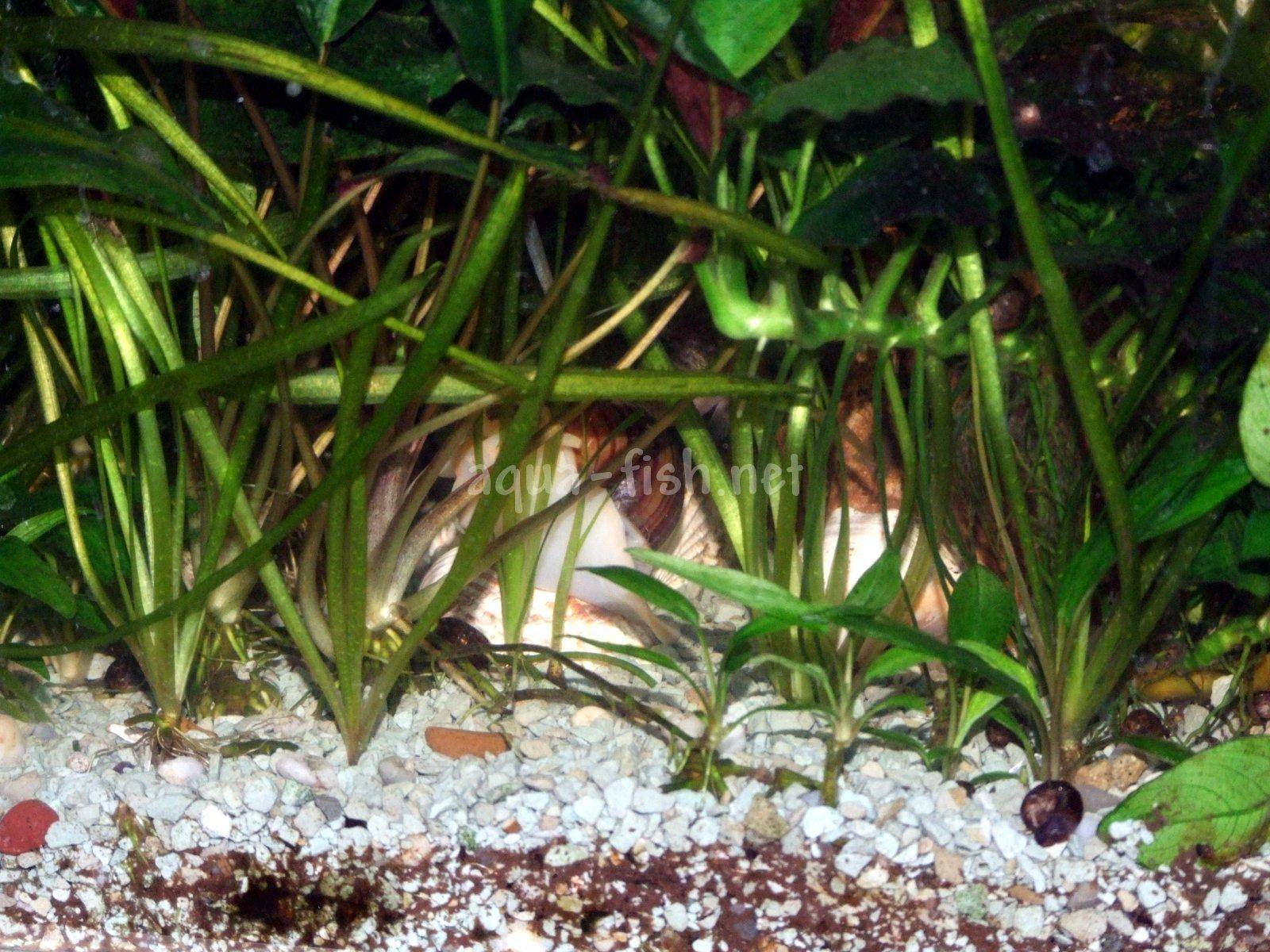
Pictures
 Ramshorn Snails: Complete Care Guide, Diet, and Breeding Tips
 Freshwater Aquarium Snails: Care, Types & Population Control Guide