Goldfish Aquarium Setup, Requirements and Forum
Quick links - Answers
- A vision
- Size
- Location of a tank
- Filtration
- The purpose of lighting
- Choosing substrate
- Suitable plants
- Decorations
Advice by Susan, keeping fish since 1996
Brief Description
This article explains how to setup a Goldfish tank properly and we'd love to hear how you raise Goldfish too! Once you're done reading, share your experiences at the bottom of this page, please. You should also visit following pages (they will open in new tab/window): Diseases of Goldfish, Goldfish and water quality, Types of Goldfish with forum, Goldfish profile with forum.
Introduction
Establishing a happy, healthy goldfish aquarium can seem like quite a challenge, but if you have the right information and all the proper tools you can be on your way to creating a wonderful underwater scene in which your goldfish will thrive.
Creating a Vision
Deciding to create a goldfish aquarium is the first step. Once you decide to create a goldfish aquarium you will need to envision what you would like this waterscape to look like. Do you want to incorporate a lot of different decorations and water features, or would you rather keep it simple and let the beauty of the fish decorate the aquarium? Would you like a lot of fish to make it a busy fish tank or would you rather create a simple waterscape with just a few carefully selected fish. When you envision your perfect aquatic scene what do you see?
Aquarium Size
It is very important to do your research before you purchase anything at all because there are a number of factors to consider when starting the new aquarium. Think about how big a fish tank you can afford before deciding how many fish you want to keep in it. Goldfish can be very active and they have the potential to grow large fairly quickly, so you should take this into consideration when choosing the size aquarium you want to purchase. It is a great idea to purchase the largest size fish tank you can afford because it is better to have too much room than not enough. Another thing to think about is the number of fish you want your aquarium to support. It is advisable to start with an aquarium no smaller than 29 gallons. Some of the smaller goldfish varieties can thrive in this amount of space as long as you do not overstock the aquarium. Larger varieties such as the common goldfish will require at least a 55 gallon aquarium to thrive once the mature size is reached.
Aquarium Location
It is also very important to plan where you will place this aquarium in your home. It is best to have a well supported area of floor beneath the location of your aquarium because large amounts of water can be extremely heavy. A good place for the aquarium will be free of direct sunlight. Sunlight and nitrates promote algae growth. Goldfish produce a lot of waste, both through their gills and their feces, which result in an abundance of nitrates. You will want to control the aquarium’s exposure to sunlight because you cannot really control the amount of waste produced by your goldfish. By controlling the exposure to sunlight you will reduce the rate of growth for algae in your aquarium. There are also products you can buy that help to control the growth of algae in the aquarium.
Water Filtration
There are many accessories that a successful goldfish aquarium cannot be without. The water filter is the most necessary component for any aquarium, especially one that will contain goldfish. Goldfish do not have stomachs so they lack the ability to digest large amounts of protein. This is the reason that goldfish produce unusually large amounts of waste. Because goldfish produce excessive amounts of waste, they need a higher level of filtration than is normally recommended for the volume of water you are keeping them in. Not only will this filter serve by extracting debris and waste from the water but it will also house the nitrifying bacteria that will be needed in metabolizing the ammonia and nitrites produced by the goldfish waste. Goldfish tend to dig around in the substrate to forage for bits of food they might have left behind. Undergravel filters are not a great idea to use when creating a goldfish aquarium.
Aquarium Lighting
When building a goldfish aquarium lighting is very important for the sake of observing your prized beauties. Goldfish pigment relies on lighting just as humans do for their skin tones, so quality lighting really contributes to a goldfish’s color development. Note that different lighting will produce different colored goldfish; the color potential of a goldfish is predetermined in its DNA. Aquarium lighting only helps to bring out the natural coloration of the goldfish. Foods enriched with color enhancers can also help develop the natural coloring of a goldfish.
Substrate
The type of aquarium substrate is a very important decision to make and it should not be made hastily. Sand should not be used because it has the tendency to clump up and trap harmful chemicals. Use smooth textured gravel at least 2 inches deep in whichever color you choose, preferably one that will compliment the colors of your goldfish. It is very important to use smooth gravel because goldfish like to dig around at the bottom and you would not want them to hurt their mouths or noses.
Plants
Goldfish need little to no vegetation in their surroundings. They are generally clumsy fish that do not feel the need to hide. If you are thinking about keeping plants in your goldfish aquarium think about low growing plants such as Java Moss. Java Moss will creep along the bottom of the aquarium allowing for plenty of free swimming space. This plant can also help extract some of the nitrate buildup from all the wastes that goldfish produce. If you do not want to deal with the hassle of real plants, you can replace them with artificial plants.
Air Features, Decorations and Backgrounds
Aeration can be a great addition to a goldfish aquarium if you carefully select one that will work well with a goldfish’s demeanor. It is important to remember not to find one that will be too big and bulky or put out too strong a current. Goldfish are very clumsy and require plenty of space. They are not the strongest swimmers so high current aerators are advised against. It is important to not clutter a goldfish’s swimming space so minimal décor is recommended. Choosing the right background can seriously add to the aesthetics of your goldfish aquarium. Solid colored, 2-dimentional backgrounds can be used to contrast with the brilliant colors of your goldfish. Imagine how gorgeous a red cap oranda would look against a black background.
Setting Up Your Goldfish Aquarium
When setting up your goldfish aquarium it is important to first check for flaws or cracks. The worse thing that could happen is 29 gallons of water could burst a hairline fracture in the glass and end up on the ground. To prevent this be thorough in checking for cracks and flaws in the glass and to also check the sealant holding the seams together to make sure water droplets are not forming on the outside as you fill your tank.
To begin, rinse all of your decorations and gravel then fill the aquarium about one half of the way full with water. Slowly and gently drop your gravel to the bottom of the aquarium and smooth it over. Place your decorations where you want them to go and remember to secure them beneath the gravel if they are light enough to float. Fill the Aquarium all the way to the top with water and set up your filtration device. Once you add the lighting to your aquarium it will appear to be ready for your goldfish but it is not.
Nitrogen Cycling
Before you can add goldfish and finish your aquarium you will need to complete one final step. Nitrogen cycling is probably the most important process in setting up a new aquarium. This step allows beneficial bacteria to develop colonies within the aquarium so that the ammonia that is produced by the fishes waste can be converted into nitrites. Additional bacteria colonies need to be developed to convert those nitrites into nitrates. This process can take up to 6 weeks to complete but there are ways to speed up the process by adding ammonia directly to the aquarium. This process is called “fishless cycling”. This should not be done if there are any living organisms such as fish or plants in the aquarium. Use a master test kit to check the chemical levels in the aquarium. If all of the ammonia and nitrite disappear you should have small amounts of nitrate in the water as a result. Also be sure to test the pH of the water to make sure it is entirely safe to add your goldfish.
Goldfish Water Requirements
Since goldfish are coldwater fish no heating is required. Keep a simple adhesive thermometer stuck to the outside of the fish tank so that you can keep track of the water temperature. Goldfish cannot survive in temperatures that drop below 50°F and they do not do well when the temperatures rise above 77°F. Although a goldfish can tolerate a wide range of temperature it will not be able to live in dramatically fluctuating degrees. Goldfish seem to be most active when kept at temperatures between 74°-76°F. Be sure to keep a neutral to slightly acidic pH. Be sure to use master test kit to test your aquarium once every couple of weeks. It should be a part of your routine maintenance as the master test kit will contain all the tools you need to check the levels of pH, ammonia, nitrite and nitrate. This will help you keep safe water levels to raise happy and healthy goldfish.
Different types of Goldfish
Educate yourself on all the different species of goldfish before deciding which types you would like to raise. There are many different varieties to choose from and only so much space in which to house them. Since goldfish are a cold water species and they tend to produce a lot of waste they will require more water volume per fish. Be sure to plan ahead to accommodate mature, adult fish. Aquarium retail stores and websites usually sell young specimens because the joy of the hobby is watching your pets develop and grow. Something like a common goldfish or a comet goldfish would do well as a young fish in a 20 gallon aquarium but it would not take long for these fish to outgrow that fish tank. These quick swimming goldfish varieties are rambunctious and would not do well with a clumsy, slow moving pearl scale goldfish. It would probably be best to raise common and comet goldfish in a pond where they can have enough room to move freely. If you want to find out more information about the different types of goldfish you can go to your local aquarium retail store and talk to a knowledgeable employee or check out this article: /articles/before-buy-goldfish.
These are just a few things to think about when starting a goldfish aquarium.
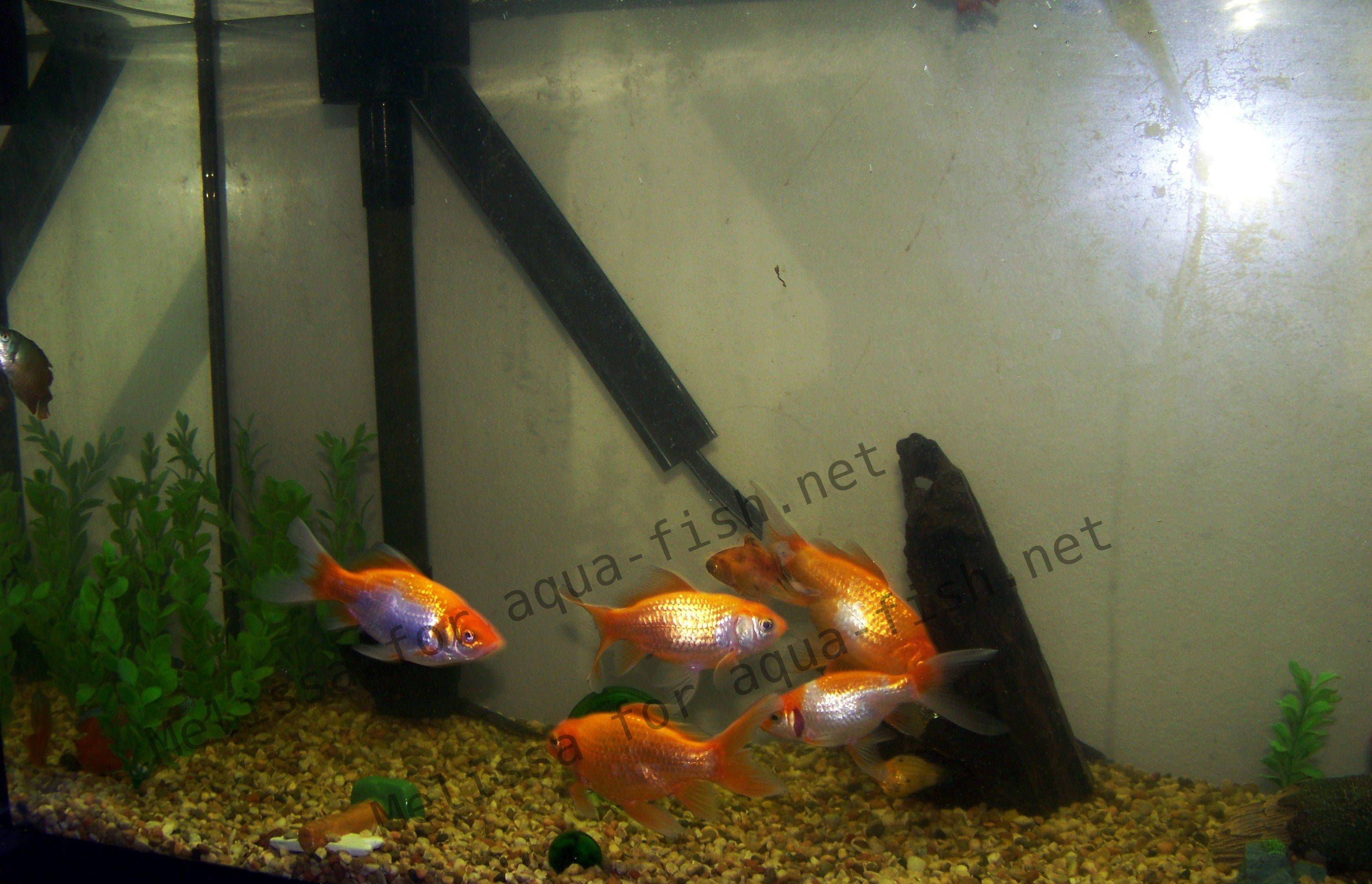
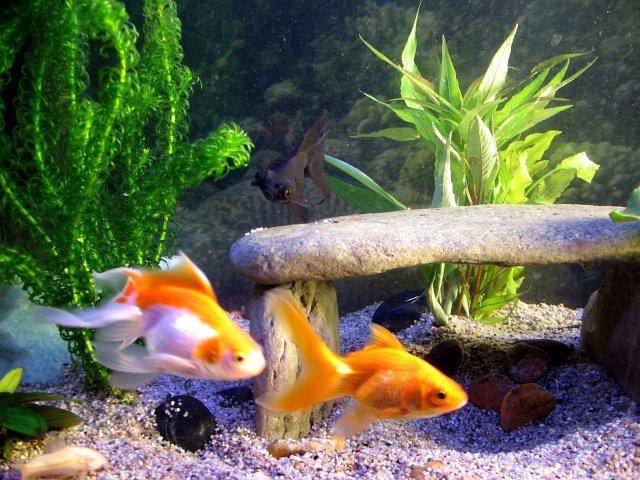
Aquarium with plenty of free swimming space and a few low plants
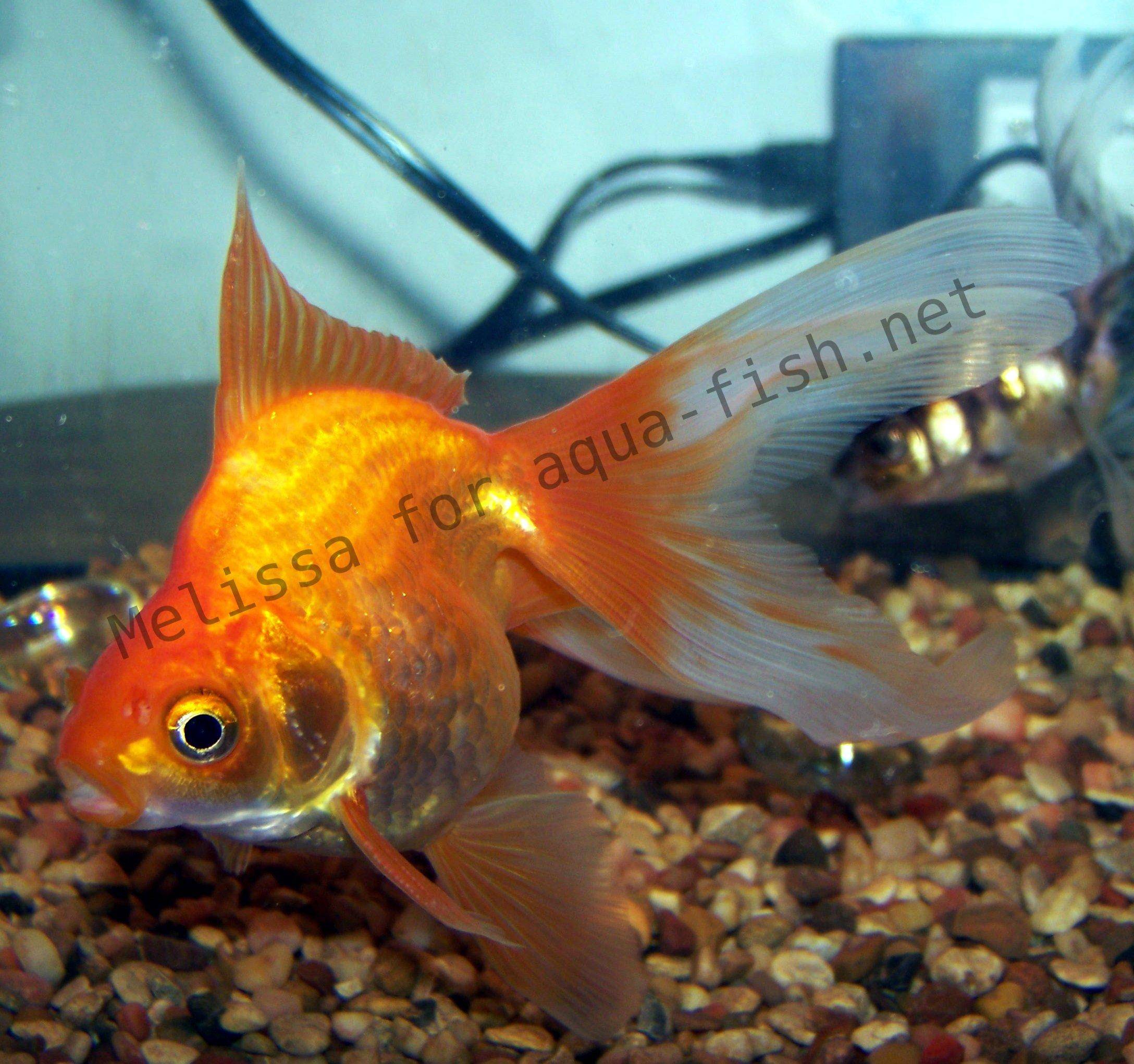
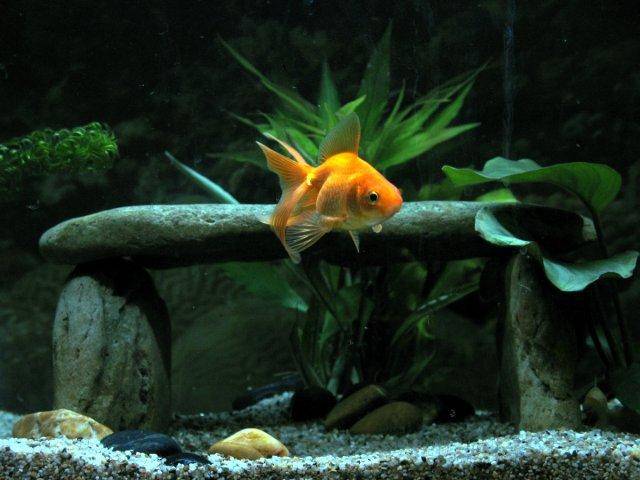
This fantail goldfish stands out against the neutral colored gravel
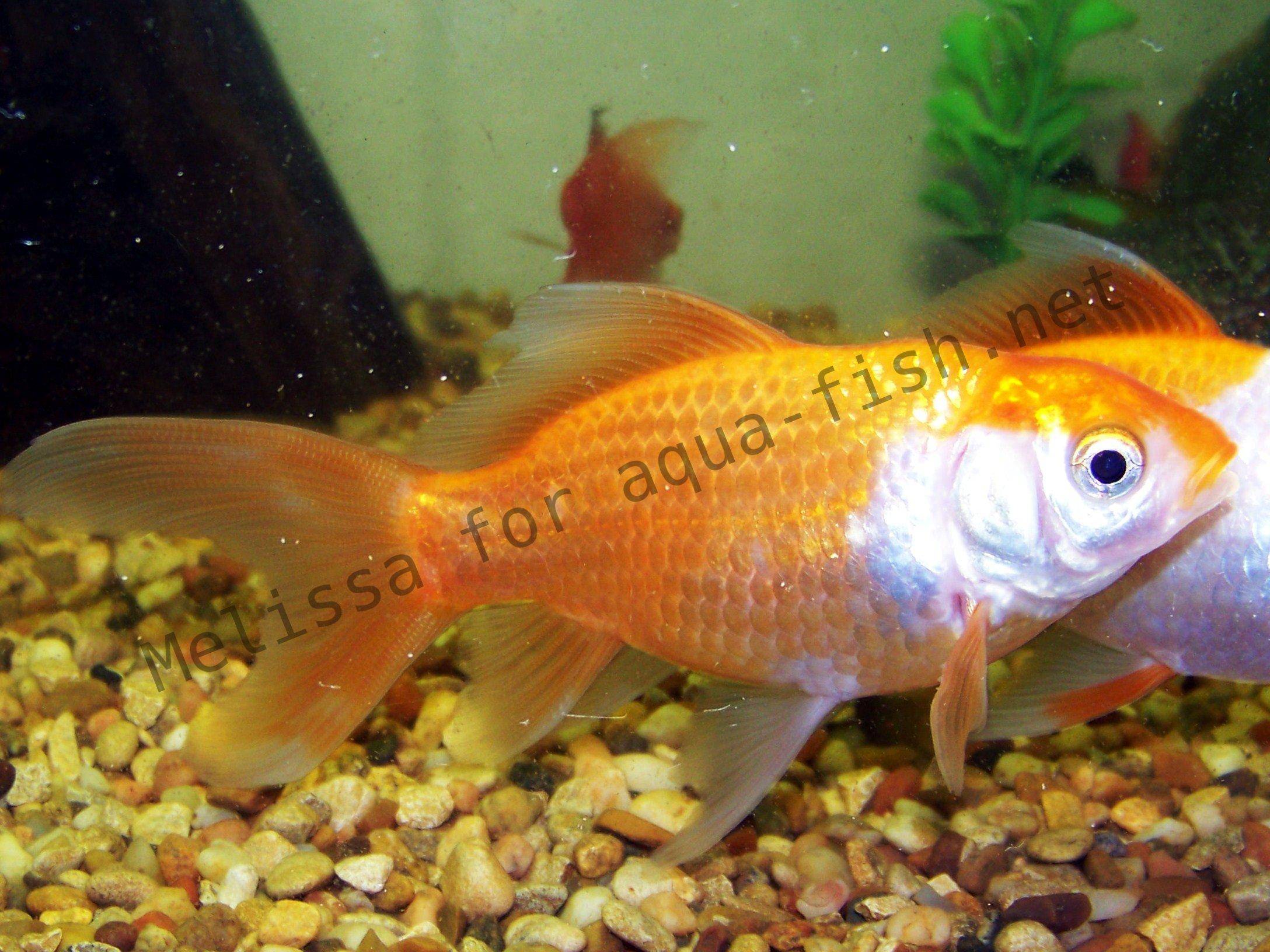
Comet feeders that were never eaten are now pet goldfish
 A must-know before buying a Goldfish
 How to breed Goldfish in fish tanks
 Diseases of Goldfish - A guide on curing sick Goldfish and categorisation of the diseases
 A page and forum about caring for Goldfish in aquariums and ponds
 How to keep Goldfish and keep water quality high
 The underrated Goldfish