Feeding your fish frozen fish food - Types and Tips
Quick links
Advice by Mick, keeping fish since 1976

Brief Description
This page describes types of frozen food that can be aquarium fish fed, and shares several tips that every fish keeper should know. In case your question or specific problem isn't answered/explained on this page, leave us a message via form that is at the bottom of this page, please! Sharing experiences is welcome too!
Introduction
An important part of satisfying your fish’s diet is variety. Just to feed them flake every meal, not only deprives them of some important vitamins, but can also bore the fish into not eating. Nowadays there are so many options on the market to buy that it makes sense to keep in a stock of flake, frozen, and in some cases live foods.
The advantages of feeding frozen are not just the extra vitamins, but it can also make your fish a lot more colorful and energetic, swimming happily around the tank. A lot of digestive problems can occur by just feeding flake or pellet foods, which can then lead onto other problems as the fish will become constipated.
The price of frozen food is slightly more than the others but the benefits of using it can well out way the extra costs.
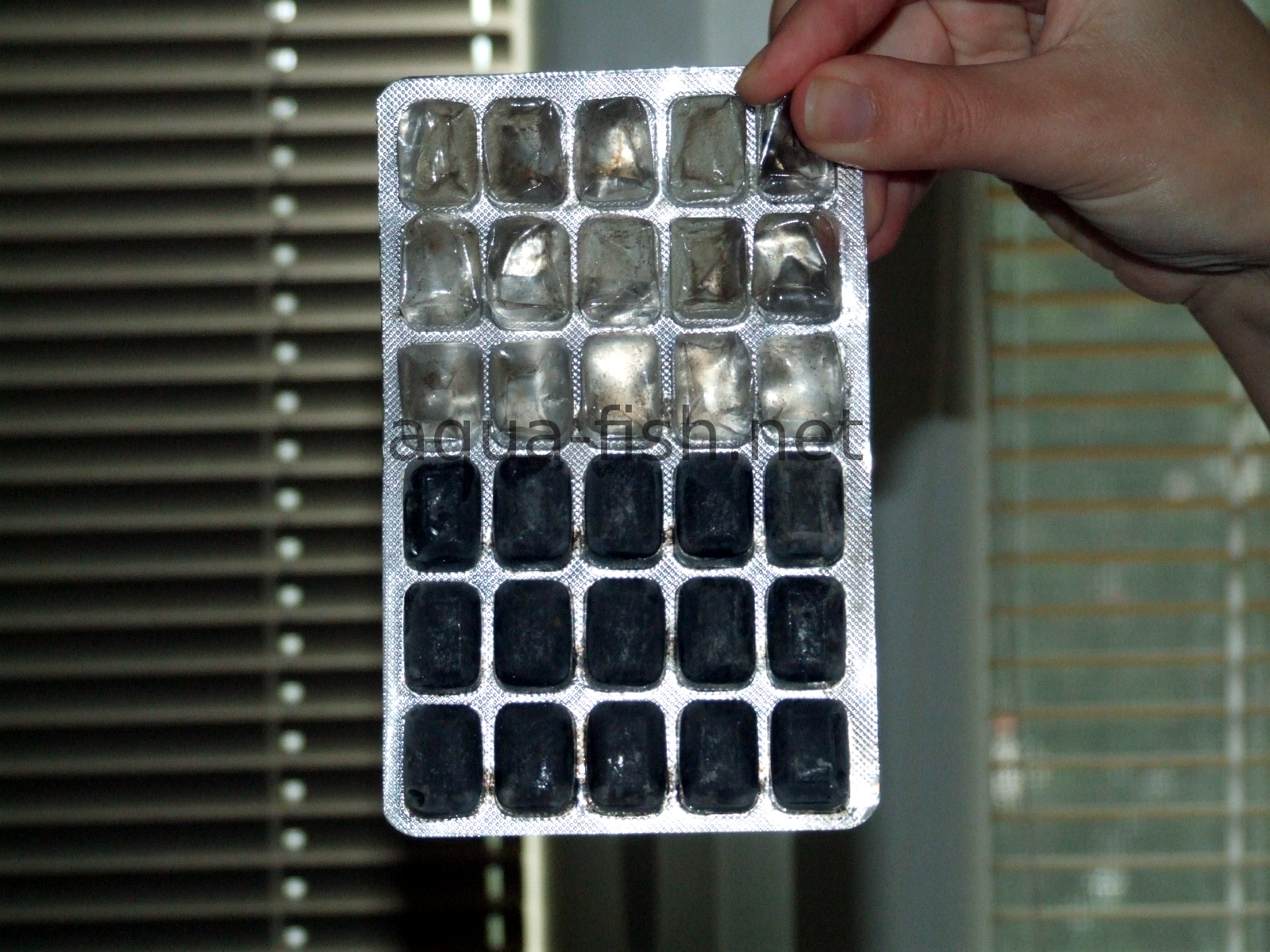
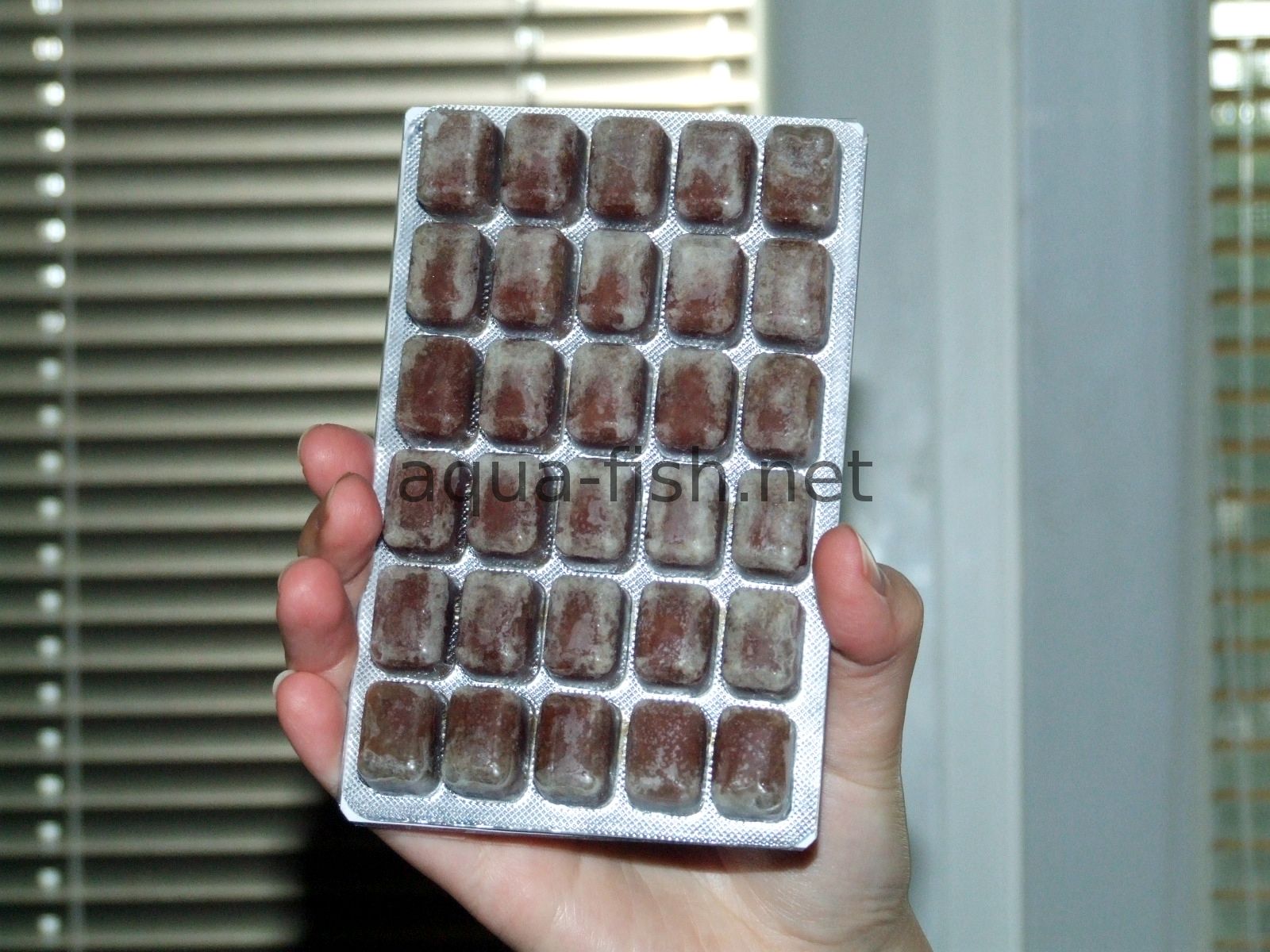
The foods available are normally supplied in cubes, encased in a blister pack to keep them fresh, or they are sometimes available in a solid block. Always remember to only thaw out the amount required, even if using the cubes, they can be chopped into smaller pieces. Never put them in the tank frozen as fish have very delicate stomachs, they certainly wouldn’t enjoy swallowing any ice that is still in the block.
When thawing it out, leave it for 30 minutes, no longer as it can go off very quickly, never try thawing it using hot water, this will remove most of the vitamins plus reduce the freshness. I found the easiest way was to place my frozen block in a cup full of tank water for 10 minutes, and then add it to the tank.
Never under any circumstances re-freeze the food once it has thawed out!!!
Another good tip is to soak the cube in a vitamin supplement so that the fish will take these in with their food without even knowing it. Spread the food over the top of the water so that all of the fish get the chance to feed, frozen food will sink straight away and therefore if it is put into the tank as a clump, and the slower feeders will miss out.
Watch your fingers when doing this, as its best to slowly rub the food between your fingers on the water surface, many fish are finger nippers, and believe me, you will feel them if they get you!
Feed the frozen food 2 or 3 times per week so that the diet is varied along with the flake or pellet food.
Now lets look at which feeds are available in a frozen format
-
Brine shrimp
Normally sold in cubes, this is ideal for conditioning fish when they are getting ready to breed, although the adult brine shrimp are not high in nutritional value on their own, they can often be bought frozen with other food such as garlic or plankton.
-
Mysis
This shrimp is fed in saltwater setups and is very high in protein, making it ideal for not only fish, but for a lot of the corals kept in a reef tank.
-
Tubifex worms
These worms are a favorite with many fish. The freezing process will greatly reduce them passing on any infection to your livestock, which is sometimes the case when fed to the fish fresh.
-
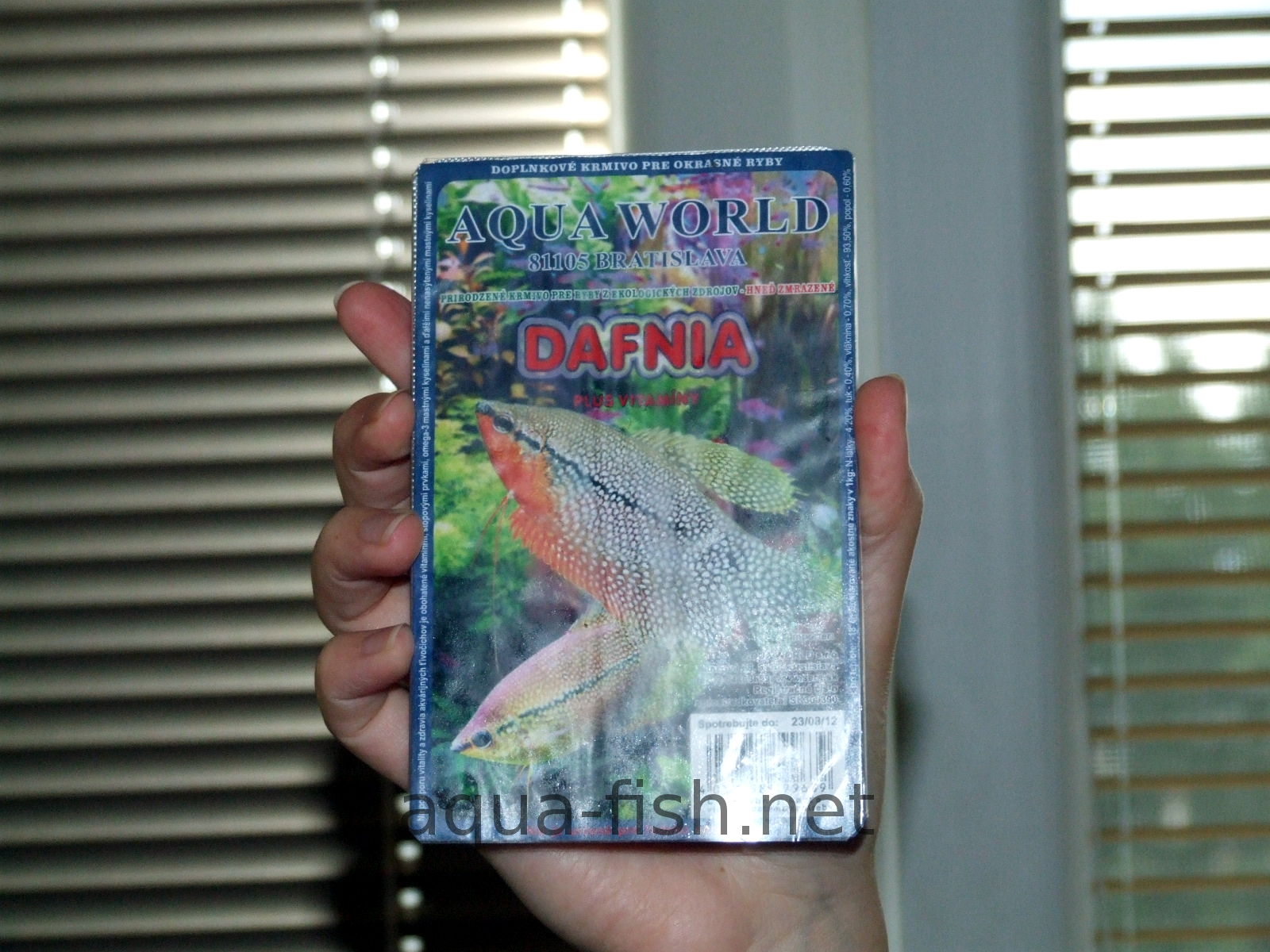
Daphnia
These are actually better known as water fleas and make a great all rounder for many varieties of fish.
-
Cockles and Mussels
These are very high in protein, when bought in a frozen state; they will have already been chopped down to the perfect size for feeding your fish.
-
Bloodworm
These have to be the most well known frozen food available, accepted by all fish but care must be taken not to include too many in the diet, they should be given as a treat only.
Also available to buy are mixed diet frozen foods, a couple of examples are foods designed for Discus and Malawi’s.
These contain a full balanced diet for each specific breed of fish but should still only be used as part of the main feeding regime, along with flake or pellets.
I am a great fan of buying frozen prawns, the small variety, chopping them up to make them a reasonable size for the fish to eat, they love them.
A cost cutting exercise can be achieved by freezing your own foods. Mosquito larvae are a seasonable food, mainly late summer, so why not scoop up extra; fill an ice cube tray with de-chlorinated water, then add the larvae and freeze them. This will provide food all year round.
I used to prepare my own mixture of flake, brine shrimp and garlic, mixed together. Due to the amount I made in one go, I found it easier to roll it onto sheets which were scored and then frozen.
Anytime I needed a piece, because I had scored the sheet, it was easy to break off the amount required for thawing out. Preparing food this way ensures that you can create the perfect mix for your fish.
There are frozen food suppliers on the internet as well as in your local fish store, so shop around not only for prices, but also for the large variety available nowadays.
 Pros and cons of automatic feeders of aquarium fish
 How to make a DIY baby brine shrimp hatchery
 Top reasons why to feed your fish Spirulina
 Culturing and harvesting Daphnia for aquarium fish
 A guide on culturing microworms for aquatic fish
 An article dedicated to feeding aquatic fish
 A guide on hatching Brine shrimp
 How to make DIY food for aquarium fish
 An article and forum on raising Brine Shrimp at home
 Types of live foods for aquarium fish
 How to culture mosquito larvae for fish
 A guide and discussion on feeding aquarium fish that focuses on nutriments
 What to feed different fish species in an aquarium
 The role of vitamins in foods for aquarium fish