Fish tank temperature monitoring, FAQ and Forum
Quick links - Answers
- Temperature for the most popular species
- Monitoring the temperature
- Importance of monitoring
- Setting the temperature
- Questions and answers
Advice by Jan, keeping fish since 1995

Brief Description
Most people visit this page in order to find ideal temperature for a tropical freshwater fish tank – In most cases the answer is 24°C, which is approximately 75°F, however there’s more to do than just setting up a heater – go through the rest of this page to find out more, we even list fish species with recommended temperature, and you’re welcome to ask questions via form that is located at the bottom of this page in case something isn’t clear! Bear in mind that there are hundreds of fish and plant species that can be housed in aquariums, therefore not all of them are compatible in terms of temperature; Some species may require different conditions!!! We also list FAQ under the article, make sure you check that paragraph. Additionally you’re welcome to visit the following pages, they're closely related to temperature in fish tanks: Aquarium thermometers with FAQ, Digital aquarium thermometers, Fish tank heaters - FAQ, large forum, pictures and tips, Aquarium chillers. Lastly, consider using our search function that allows you find the most suitable fish for your aquarium. Imagine that you want a cichlid that accepts temperature of 24°C (75.2°F), so this search has to be considered. Naturally your search can be based on different conditions, simply try your own search!
Recommended temperatures for most popular species
Here below is a table with recommended temperature for various fish species. We've included the most popular fish, however you're welcome to ask in case you're not sure about requirements of your own fish! Skip the below-shown table in case you'd like to learn how to control temperature in your aquarium, please!
| Family | Common name | Scientific name | Celsius | Fahrenheit |
|---|---|---|---|---|
| Callichthyidae | Agassizii’s cory | Corydoras agassizii | 22 - 27 °C | 71.6 - 80.6 °F |
| Cichlidae | Altum angelfish | Pterophyllum altum | 24 - 28 °C | 75.2 - 82.4 °F |
| Tetraodontidae | Amazon pufferfish | Colomesus asellus | 24 - 27 °C | 75.2 - 80.6 °F |
| Cichlidae | Angelfish | Pterophyllum scalare | 23 - 29 °C | 73.4 - 84.2 °F |
| Cichlidae | Angelfish | Pterophyllum leopoldi | 21 - 26 °C | 69.8 - 78.8 °F |
| Tetraodontidae | Bailey’s puffer | Tetraodon baileyi | 23 - 28 °C | 73.4 - 82.4 °F |
| Osphronemidae | Banded gourami | Colisa fasciata | 22 - 28 °C | 71.6 - 82.4 °F |
| Characidae | Black pacu | Colossoma macropomum | 23 - 28 °C | 73.4 - 82.4 °F |
| N/A - Hybrid | Blood parrot cichlid | N/A | 23 - 28 °C | 73.4 - 82.4 °F |
| Cichlidae | Blue discus | Symphysodon aequifasciata haraldi | 27 - 30 °C | 80.6 - 86 °F |
| Osphronemidae | Blue gourami | Trichogaster trichopterus | 22 - 28 °C | 71.6 - 82.4 °F |
| Loricariidae | Bristlenose catfish | Ancistrus cirrhosus | 22 - 26 °C | 71.6 - 78.8 °F |
| Callichthyidae | Bronze cory | Corydoras aeneus | 22 - 29 °C | 71.6 - 84.2 °F |
| Tetraodontidae | Bronze puffer | Xenopterus naritus | 24 - 27 °C | 75.2 - 80.6 °F |
| Osphronemidae | Brown’s betta | Betta brownorum | 22 - 26 °C | 71.6 - 78.8 °F |
| Osphronemidae | Chocolate gourami | Sphaerichthys osphromenoides | 25 - 30 °C | 77 - 86 °F |
| Tetraodontidae | Congo puffer | Tetraodon miurus | 23 - 27 °C | 73.4 - 80.6 °F |
| Tetraodontidae | Coral butterfly puffer | Tetraodon lineatus | 23 - 26 °C | 73.4 - 78.8 °F |
| Cichlidae | Discus | Symphysodon aequifasciata alenquer | 27 - 30 °C | 80.6 - 86 °F |
| Osphronemidae | Dwarf gourami | Colisa lalia | 23 - 28 °C | 73.4 - 82.4 °F |
| Osphronemidae | Edith’s mouthbrooder | Betta edithae | 24 - 28 °C | 75.2 - 82.4 °F |
| Cichlidae | Electric yellow cichlid | Labidochromis caeruleus | 22 - 28 °C | 71.6 - 82.4 °F |
| Poeciliidae | Endler’s guppy | Poecilia wingei | 22 - 26 °C | 71.6 - 78.8 °F |
| Tetraodontidae | Fang’s puffer | Tetraodon cochinchinensis | 23 - 28 °C | 73.4 - 82.4 °F |
| Tetraodontidae | Figure eight puffer | Tetraodon biocellatus | 22 - 27 °C | 71.6 - 80.6 °F |
| N/A - Hybrdid | Flowerhorn | N/A | 25 - 30 °C | 77 - 86 °F |
| Osphronemidae | Forest betta | Betta pugnax | 22 - 26 °C | 71.6 - 78.8 °F |
| Osphronemidae | Frail gourami | Ctenops nobilis | 21 - 24 °C | 69.8 - 75.2 °F |
| Osphroneminae | Giant gourami | Osphronemus goramy | 20 - 30 °C | 68 - 86 °F |
| Tetraodontidae | Giant puffer fish | Tetraodon mbu | 24 - 27 °C | 75.2 - 80.6 °F |
| Osphronemidae | Giant red fin gourami | Osphronemus laticlavius | 22 - 28 °C | 71.6 - 82.4 °F |
| Cyprinidae | Goldfish | Carassius auratus auratus | 15 - 30 °C | 59 - 86 °F |
| Tetraodontidae | Green pufferfish | Tetraodon nigroviridis | 23 - 28 °C | 73.4 - 82.4 °F |
| Tetraodontidae | Green pufferfish | Tetraodon fluviatilis | 23 - 27 °C | 73.4 - 80.6 °F |
| Cichlidae | Green terror cichlid | Aequidens rivulatus | 20 - 24 °C | 68 - 75.2 °F |
| Poeciliidae | Guppy | Poecilia reticulata | 19 - 29 °C | 66.2 - 84.2 °F |
| Osphronemidae | Honey gourami | Trichogaster chuna | 23 - 30 °C | 73.4 - 86 °F |
| Tetraodontidae | Humpback puffer | Tetraodon palembangensis | 24 - 27 °C | 75.2 - 80.6 °F |
| Chiclidae | Jack dempsey | Cichlasoma octofasciatum | 25 - 28 °C | 77 - 82.4 °F |
| Cichlidae | Jaguar cichlid | Parachromis managuensis | 25 - 30 °C | 77 - 86 °F |
| Helostomatidae | Kissing gourami | Helostoma temminckii | 23 - 27 °C | 73.4 - 80.6 ° |
| Cichlidae | Kribensis | Pelvicachromis pulcher | 24 - 29 °C | 75.2 - 84.2 °F |
| Callichthyidae | Leopard cory | Corydoras leopardus | 22 - 25 °C | 71.6 - 77 °F |
| Osphronemidae | Licorice gourami | Parosphromenus ornaticauda | 22 - 26 °C | 71.6 - 78.8 °F |
| Tetraodontidae | Malabar pufferfish | Carinotetraodon travancoricus | 22 - 28 °C | 71.6 - 82.4 °F |
| Tetraodontidae | Mekong puffer | Tetraodon suvattii | 23 - 27 °C | 73.4 - 80.6 °F |
| Cichlidae | Midas cichlid | Amphilophus citrinellus | 23 - 27 °C | 73.4 - 80.6 °F |
| Osphronemidae | Moonlight gourami | Trichogaster microlepis | 26 - 30 °C | 78.8 - 86 °F |
| Characidae | Neon tetra | Paracheirodon innesi | 20 - 25 °C | 68 - 77 °F |
| Characidae | Orinoco piranha | Pygocentrus cariba | 23 - 28 °C | 73.4 - 82.4 °F |
| Cichlidae | Oscar fish | Astronotus ocellatus | 24 - 30 °C | 75.2 - 86 °F |
| Callichthyidae | Panda cory | Corydoras panda | 22 - 28 °C | 71.6 - 82.4 °F |
| Osphronemidae | Paradise fish | Macropodus opercularis | 16 - 26 °C | 60.8 - 78.8 °F |
| Cichlidae | Parrot cichlid | Hoplarchus psittacus | 25 - 30 °C | 77 - 86 °F |
| Osphronemidae | Pearl gourami | Trichogaster leeri | 23 - 28 °C | 73.4 - 82.4 °F |
| Pimelodidae | Pictus catfish | Pimelodus pictus | 23 - 27 °C | 73.4 - 80.6 °F |
| Characidae | Pinche piranha | Serrasalmus eigenmanni | 21 - 27 °C | 69.8 - 80.6 °F |
| Poeciliidae | Platy fish | Xiphophorus maculatus | 20 - 26 °C | 68 - 78.8 °F |
| Cyprinidae | Rainbow shark | Epalzeorhynchos frenatum | 22 - 26°C | 71.6 - 78.8 °F |
| Characidae | Red bellied pacu | Piaractus brachypomus | 22 - 28 °C | 71.6 - 82.4 °F |
| Characidae | Red bellied piranha | Pygocentrus nattereri | 24 - 29 °C | 75.2 - 84.2 °F |
| Cichlidae | Red devil cichlid | Amphilophus labiatus | 22 - 28 °C | 71.6 - 82.4 °F |
| Cichlidae | Red discus | Symphysodon discus | 26 - 30 °C | 78.8 - 86 °F |
| Tetraodontidae | Red eye puffer | Carinotetraodon lorteti | 24 - 28 °C | 75.2 - 82.4 °F |
| Tetraodontidae | Red-spot puffer | Tetraodon abei | 23 - 27 °C | 73.4 - 80.6 °F |
| Characidae | San Francisco piranha | Pygocentrus piraya | 24 - 27 °C | 75.2 - 80.6 °F |
| Poeciliidae | Short finned molly | Poecilia sphenops | 21 - 26 °C | 69.8 - 78.8 °F |
| Osphronemidae | Siamese fighting fish | Betta splendens | 23 - 30 °C | 73.4 - 86 °F |
| Osphronemidae | Snakeskin gourami | Trichogaster pectoralis | 23 - 28 °C | 73.4 - 82.4 °F |
| Cichlidae | Striped kribensis | Pelvicachromis taeniatus | 21 - 25 °C | 69.8 - 77 °F |
| Doradidae | Striped raphael catfish | Platydoras costatus | 24 - 30 °C | 75.2 - 86 °F |
| Tetraodontidae | Striped red-eye puffer | Carinotetraodon salivator | 22 - 26 °C | 71.6 - 78.8 °F |
| Poeciliidae | Swordtail | Xiphophorus helleri | 21 - 28 °C | 69.8 - 82.4 °F |
| Tetraodontidae | Thai puffer | Tetraodon barbatus | 23 - 27 °C | 73.4 - 80.6 ° |
| Osphronemidae | Thick lip gourami | Trichogaster labiosus | 22 - 28 °C | 71.6 - 82.4 °F |
| Poeciliidae | Variegated platy | Xiphophorus variatus | 21 - 26 °C | 69.8 - 78.8 °F |
| Cichlidae | Wolf cichlid | Parachromis dovii | 24 - 28 °C | 75.2 - 82.4 °F |
| Cichlidae | Zebra discus | Symphysodon aequifasciata zebra | 27 - 30 °C | 80.6 - 86 °F |
Quick overview
- Temperature in a tropical freshwater aquarium may vary from 24°C to 30°C (75.2°F to 86°F), however some species such as Corydoras require lower ranges while species as Discus need warmer water.
- Goldfish don't need any heater, they're coldwater fish. Temperature in a coldwater tank with fish that aren't sensible to temperatures over 20°C (68°F) may range from 10°C to 25°C (50°F to 77°F).
- Temperatures in a real coldwater tank shouldn't exceed 20°C (68°F).
Introduction to water temperature monitoring
There are many tests that we perform on our tank water to ensure that the quality is high to give us a thriving aquarium, but one aspect that many fish keepers seem to overlook is constant monitoring of the aquarium temperature.
At least once per day thermometers should be checked to make sure that there are no temperature swings occurring, and indeed checking the temperature so that we know the aquarium heater is actually working.
But why is temperature so important?
Fish are cold blooded creatures, they cannot create their own body temperature, and therefore the water around them will give their body heat to maintain a correct metabolism. Fish originate from all corners of the globe, in different parts of the world the fish will live in different temperature scales. They can tolerate a slight variance from the natural water temperature, but beyond that the fish will start to suffer which in turn will induce stress in the fish; this can then lead to fatalities in the aquarium as the fishes immune system will start to break down and bacterial infections can start to attack the fish.
This is why it is always important to research any fish before you add them to the tank so that optimum living conditions can be provided for them.
Researching the ideal temperature setting for you fish is not too difficult for anyone even a novice. Most profiles available will include it in the brief summaries provided. Asking at the pet stores is also a good idea; if the assistants are knowledgeable on the fish they sell they will be able to answer your questions straight away. Most species of tropical fish are found in waters that range from 18°C-32°C (65°F-90°F), this is usually the widest margin you will find, the more common species sold will range between 24°C and 28°C (75°F and 82°F), there are exceptions to the rule, hence the initial research. If you do find out that you have a mixed bag of fish as regards the required temperatures then averaging out a middle temperature will normally suffice.
Monitoring the temperature
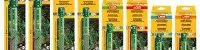
Every aquarium should have a good thermometer either inside it or on the outside of the tank. Thermometers that go inside the tank are the glass tube type. These work by dyed alcohol rising up the scale as the temperature increases. On the scale there is normally an area that is shaded in green depending on the supplier. This area tells you that the reading should be in between the upper green mark and the lower green mark for the average tropical fish. Another style of thermometer available is the strip thermometer which sits on the outside of the tank, as the temperature rises the scale will illuminate by means of liquid crystal. Both of these thermometers are readily available in all pet stores and cost as little as 2 pounds (4 dollars to purchase). For more accurate measurements of the temperature there are available battery operated thermometers that use a wired probe. The probe sits inside the tank while the LCD display unit sits on the outside of the tank. The display on these will read right down to 1 tenth of a degree making the setting of the heaters much more accurate. These small units are slightly more expensive but they are not over priced. They can be purchased for 3 to 4 pounds (6 to 8 dollars).
Setting the temperature
One of the most crucial pieces of equipment that you can buy for the aquarium is a good, reliable heater. In some of the larger aquariums two heaters will be required to reach the correct water temperature. Nowadays nearly all of the heaters sold are submersible in the tank water and are very easy to set. There is a dial in the top of the thermostat that is simply turned to the correct setting, we must remember though, if the dial reads a certain temperature then the tank water may not finish up being that temperature. With a bit of fine tweaking up or down on the dial this problem is easily overcome. Also available to purchase are inline heaters that fit onto the piping of external filters, some fish keepers prefer to use these so that the heater is not on display in the main tank.
The biggest problem with buying the heater is knowing which wattage is required for the size of the aquarium. The golden rule is 3 watts per gallon of water in the tank, so if your tank holds 50 gallons then the minimum size heater required is 150 watts. If the aquarium is over 100 gallons two heaters will be required if the largest available is only 300 watts. This problem can also be overcome by purchasing titanium heaters, these can range anywhere up to 800 watts, and they are more expensive than any other style of heater but are far more reliable and robust.
The temperature of the tank will alter through the year as the external air temp cools and rises with the seasons. This is another reason for monitoring the tank temperature constantly. The submersible heater will need to be adjusted higher in colder seasons and reduced when the warmer weather arrives.
Always use the higher wattage of heater that is in your aquarium range rather than letting a smaller wattage heater struggle to maintain the temperature.
At some stage in a fish keeper’s life they will experience the ultimate horror - a power cut. There is no need to panic if this occurs; there are several ways to minimize its effect on the water temperature. As soon as you have noticed that there is no power, wrap towels or a blanket around the tank, this will keep the heat in. It takes longer for water to cool down than it does to heat up.
Slowly adding hot treated tap water will help to keep the temperature up. If the temperature does drop right down after a long power cut, once the power is restored do not be tempted to raise the back up quickly. This will do more harm than good and will be detrimental to the health of your fish. Let the heater bring everything back to normal in its own time and the fish will be OK.
My final tip of the article is – always use a heater guard over the heater as they get very hot around the glass. Covering it over with a plastic sheath will prevent any injuries to the fish.
Additional questions and answers
On March 20th 2011 we added the following questions and answers here due to merging aqua-fish.net/answers with related articles; The purpose is to make all related information available at one place. You're welcome to ask own questions too, however make sure that they're unique and related to fish tank temperature, please. Use a form at the bottom of this page, please. (all questions were asked by visitors of aqua-fish.net)
-
What is the ideal temperature for a freshwater aquarium?
Answer: Approximately 24°C (75.2°F). This may vary depending on species which you keep, but 24°C (75.2°F) is usually accepted by all tropical freshwater fish and plants species. If you are about to start a coldwater freshwater aquarium, you will probably need to maintain the temperature at 10°C-15°C (50°F-59°F). Aquarium chiller will be needed in such a case (link).
-
What temperature is the best for Bristlenose catfish?
Answer: 24°C (75.2°F). It can vary between 21°C and 28°C (69.8°F and 82.4°F), however higher temperatures than 24°C (75.2°F) aren't recommended.
-
What temperature does a fish tank have to be kept at?
Answer: The temperature of the water depends on which species of fish you are keeping. Sub-tropical species are perfectly happy with a temperature of 22°C - 24°C (71.6°F-75.2°F). Tropical fish need a temperature of 24°C - 26°C (75.2°F - 78.8°F), some tropical fish species will need higher temperatures. Always check before you purchase the fish and try to keep fish that require the same temperature range.
-
What temperature should Oscar fish be kept at?
Answer: Oscar fish should be kept at a constant temperature of 26°C to 28°C (78.8°F to 82.4°F). They are very sensitive to temperature fluctuations.
 The purpose of nitrification bacteria colonies in aquariums
 Chemistry of Aquarium Water with FAQ
 Controlling ammonia and related substances in aquariums
 Testing water in fish tanks for general and carbonate hardness and altering them
 An explanation of raising and lowering the pH level in the aquarium
 How to remove phosphates from a fish tank
 How to test the aquarium water for ammonia and what to pay attention to
 How to increase, reduce or just adjust pH in a fish tank with friendly forum