Vitamins and essential rules of feeding aquarium fish - With forum

Quick links - Answers
Advice by Jan, keeping fish since 1995

Brief Description
This article describes roles of various vitamins in food for aquarium fish. However we have other pages devoted to: Food for Aquarium Fish - Pictures, Types, Tips & Forum and Feeding your fish frozen fish food - Types and Tips which should be visited too! Feel free to share your experiences, ideas or questions regarding food for aquarium fish at the bottom of this page, please!
Introduction
Every aquarist is proud if fish in his aquarium are or natural colours and if they are healthy. Fish’s good health heavily depends on diet, since your pets need something similar what they could find in nature. Various fish subsist on various food including worms, maggots, algae, plants or fruits. Some are carnivores, some are omnivores.
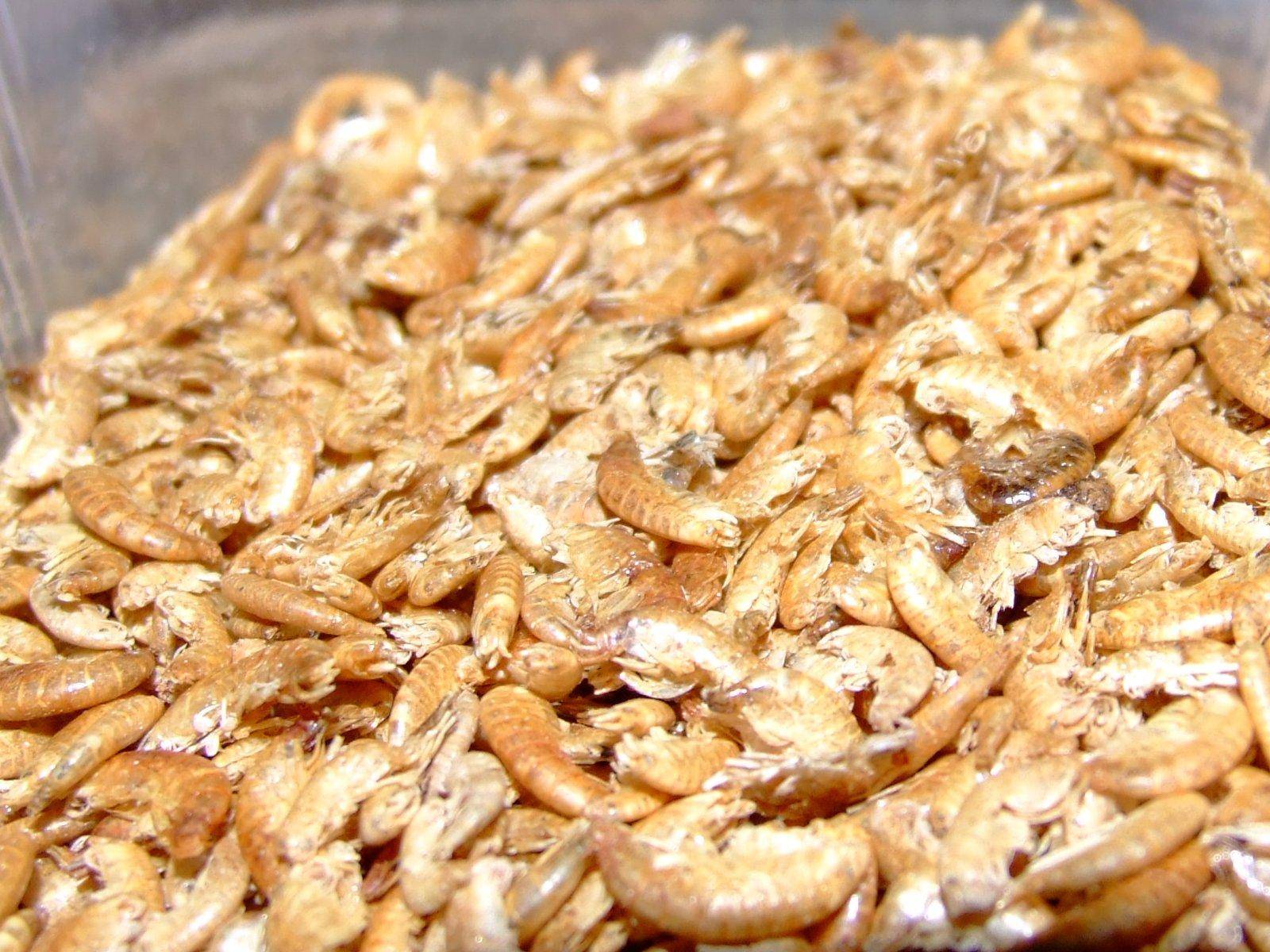
Maybe you didn’t know what food (besides common foods like flakes, granules or brine shrimp) you can feed your fish following foods:
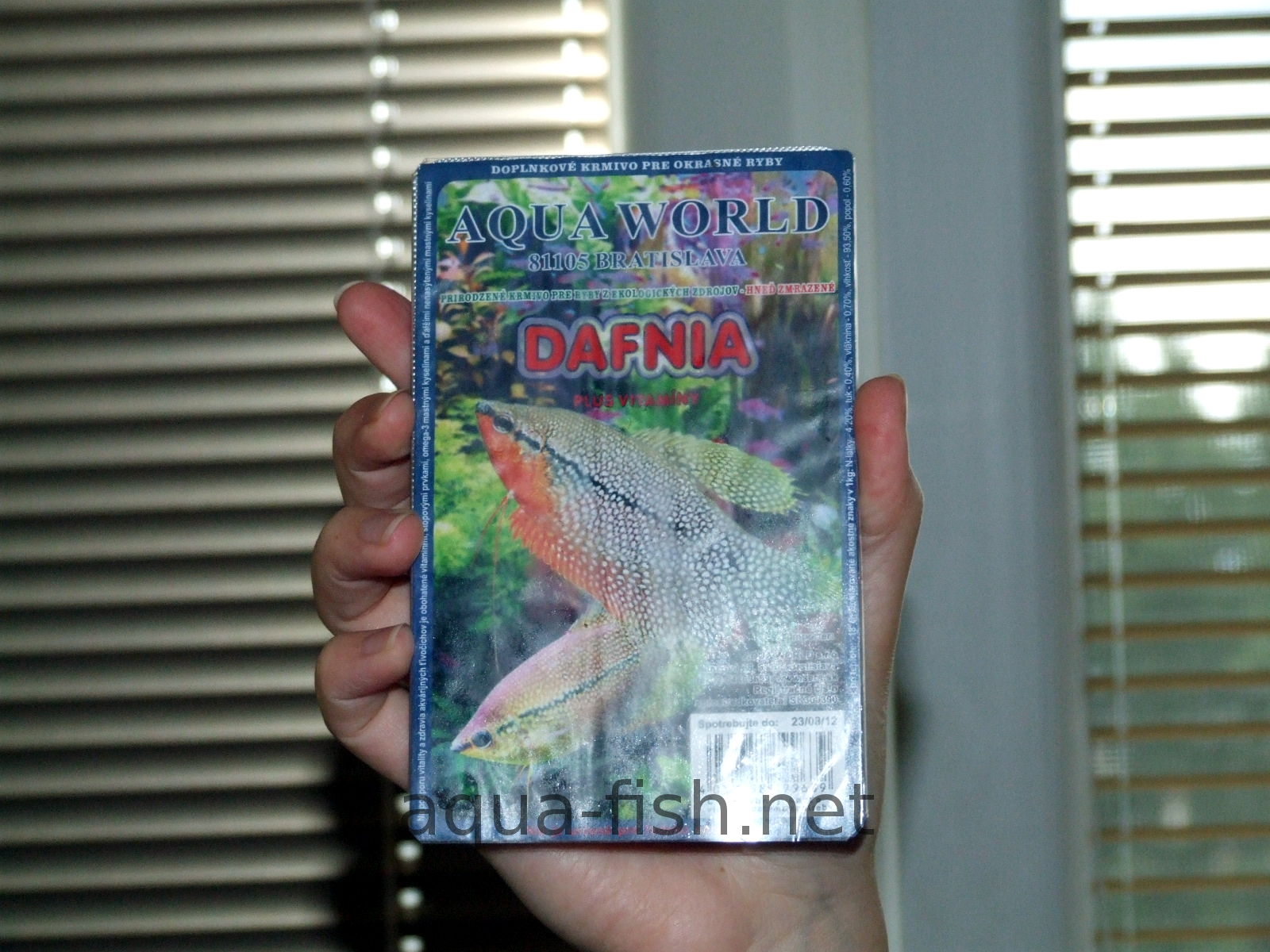
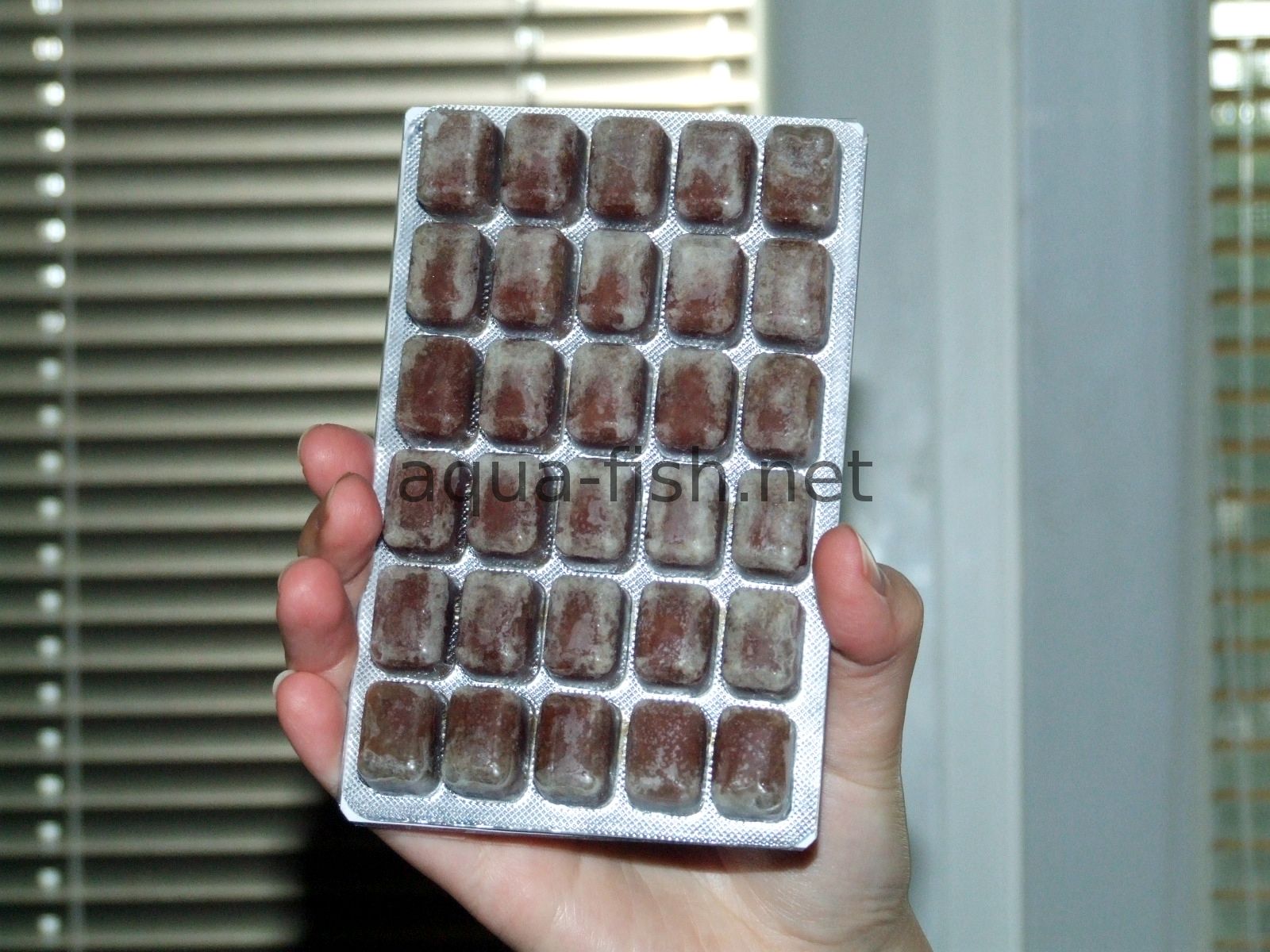
Daphnia, Bloodworms, Basil (Ocimum basilicum), Angelica root (Archangelica officinalis), Capsicum, Carrot, Wheat, Spinach, Nettle, Borage (Borago officinalis), Spirulina, Seaweed, Glycine soja.
Daphnia and bloodworms are easily consumable and very rich fish food. Both, Basil and Angelica root help your fish against stress. Capsicum and Carrot stimulate digestion and are full of vitamins. Carotene keeps the fish coloured. Wheat contains carbonhydrates. Spinach and Nettles offers a lot of minerals and trace elements which help them to grow naturally. Borage reinforces saddles and also affects against stress. Spirulina and seaweeds contain amino acids, vitamins, minerals and trace elements. Lastly, Glycine soja helps to keep fish’s immunity fine.
Habits
Since various fish use to receive their food at different water levels, you should use at least 2 kinds of food. However, this depends on your aquarium. For example, Plecos use to eat at bottom levels, but if you let plants like Vallisneria Gigantea grow, you’ll notice that Plecos like to swim to the top levels where they remain on the plants until everything’s eaten. Generally, every fish should get it’s food no matter if it’s hidden behind the rocks or if it’s waiting for food all day long like Guppies or Platy.
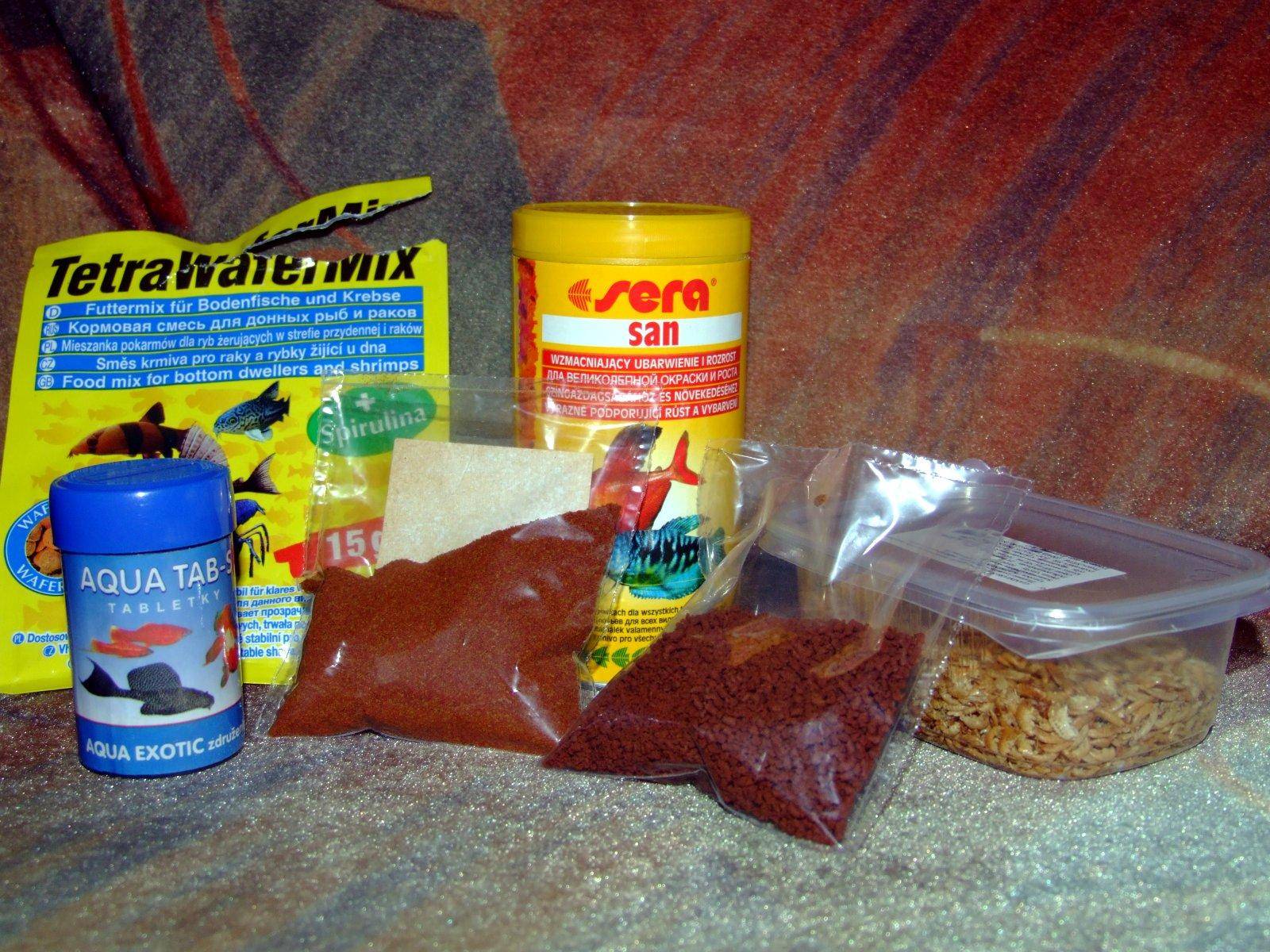
Basically, fish with flat back, upcasted mouth and spinal fin moved rearward use like flakes the most. Fish with crownedback and belly, mouth orientated forward like granules which are „placed“ on the glass. Such fish tend to accept food which don’t fall down to the bottom.
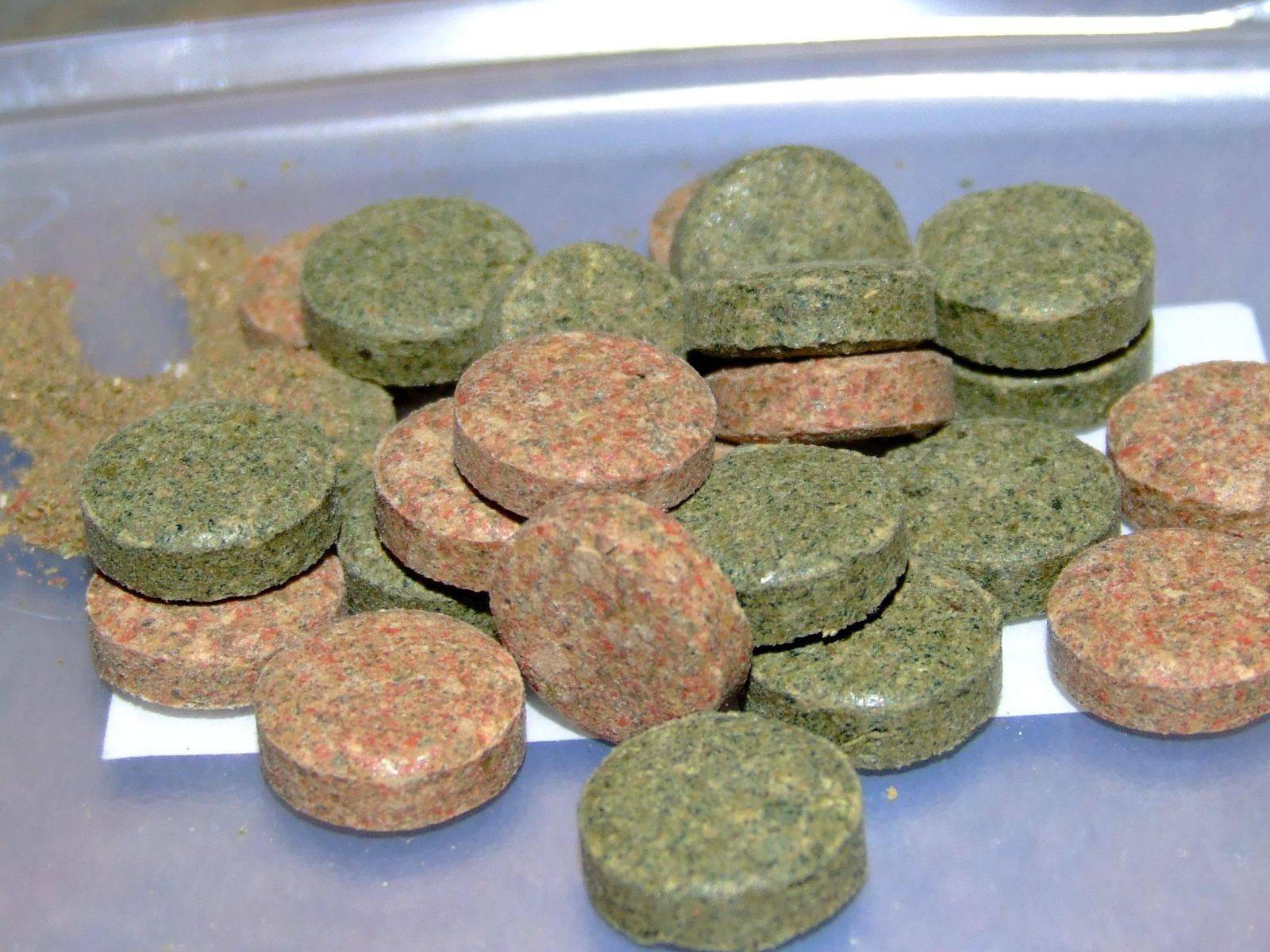
The last kind of food is that which falls down. Plecos and Cories love it. Generally, all fish with flat belly and mouth orientated downward can be added to this group.
Every food must contain enough vitamins. The most required vitamins are: A, B1, B2, B5, B6, B12, C, D3, E, H, K. Besides vitamins, food of good quality must contain proteins, carbonhydrates, oils, minerals, trace elements.
Feeding
Feed your fish at least twice a day. Don’t overfeed and try to lay the food equally, so every fish will get it’s piece. In my experience, change the food on a regular basis. Fish are like humans; They don’t like to eat the same food every day, 7 days a week, 365 days a year.
Feeding time is also important due to tracking possible ill or unhappy fish. If there are many territorial fish in your tank, small ones will have troubles with obtaining enough food. Check all tankmates once a week, so you will avoid diseases and similar problems.
When you buy a new kind of food, fish don’t eat it immediatelly. Give them enough time until they get familiar to it and will accept it without any problems. Sometimes, it’s needed to wait 1 or 2 days, sometimes they accept new food after 7 or 14 days, and sometimes they will not eat it at all.
Since you can’t avoid fallen food at the bottom, it’s recommended to keep some Plecos. They will gladly accept it and their menu will vary naturally.
Vitamins
- A – Stimulates eyesight and growth, protects skin and helps breeding.
- B1 – Supports nerves. Supplies the brain and nerves with sugar. Transorms carbonhydrates to energy.
- B2 – Supports muscles and protects skin.
- B5 – Very important for enzymes.
- B6 – Important for the nerve system.
- B12 – Required for digest bodies and for proper production of hemoglobin. Hemoglobin is required for oxygen transport.
- C – Helps the immune system and creation of skeleton.
- D3 – Regulates acceptance of Calcium and Phosphorus, so it’s very important for creation of skeleton.
- E – Stimulates creation of reproduction hormones, stabilizes other vitamins and acids contained in food.
- H – Represents the growth factor.
- K – Helps blood coagulation.
Video
Feel free to download our video here (approximately 38 MB, 640x480px). Another video shows fish fed blood-worms (approximately 110 MB).
Feel free to visit Feeding Your Fish at firsttankguide.net too!
 Pros and cons of automatic feeders of aquarium fish
 How to make a DIY baby brine shrimp hatchery
 Top reasons why to feed your fish Spirulina
 Culturing and harvesting Daphnia for aquarium fish
 A guide on culturing microworms for aquatic fish
 A guide on hatching Brine shrimp
 How to make DIY food for aquarium fish
 An article and forum on raising Brine Shrimp at home
 Types of live foods for aquarium fish
 How to culture mosquito larvae for fish
 A guide and discussion on feeding aquarium fish that focuses on nutriments
 What to feed different fish species in an aquarium
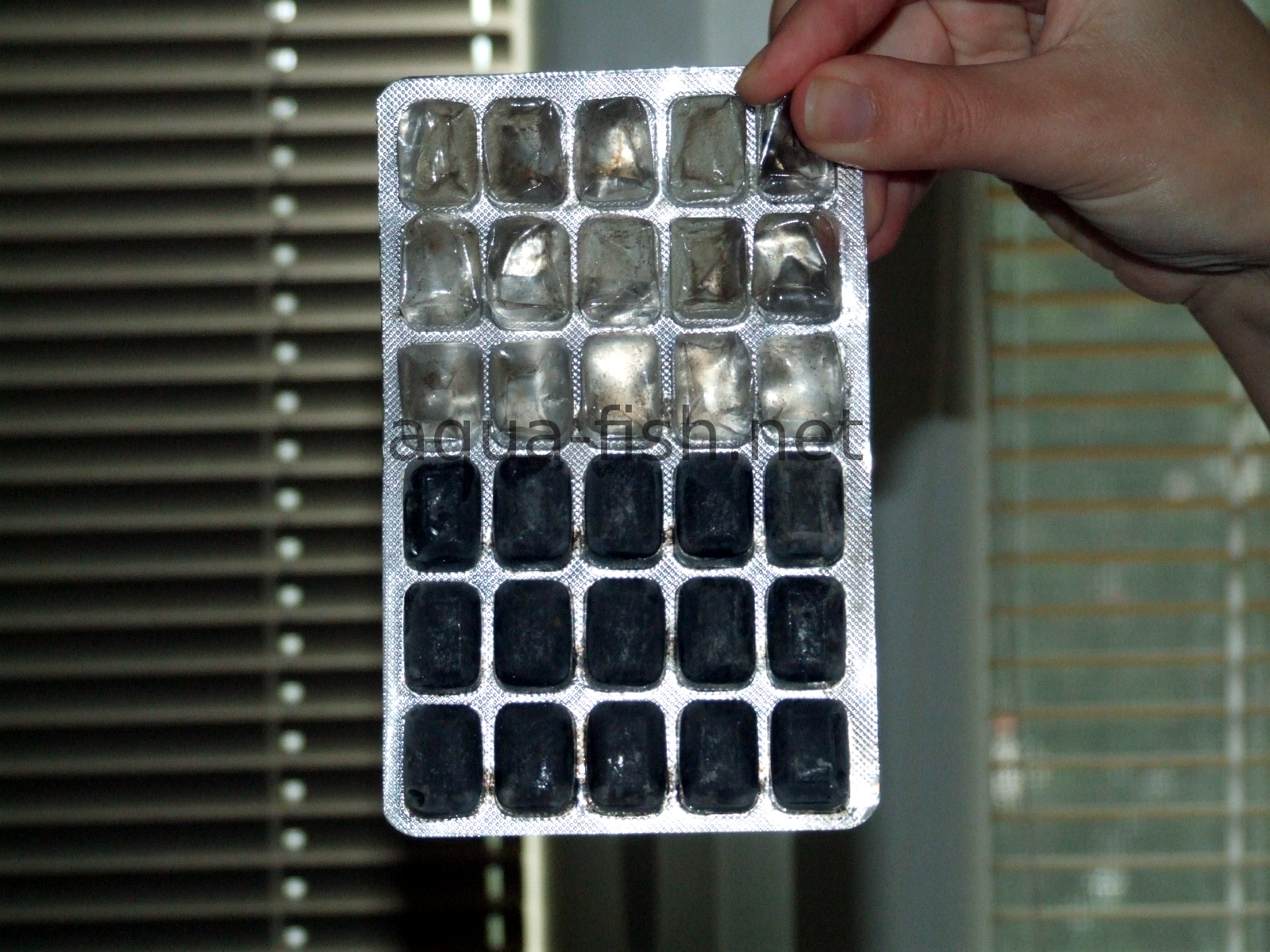
 A guide on feeding aquarium fish frozen foods