Proper Care of the Clown Loach Fish - Behaviour, Requirements, Diet & Diseases
Quick links - Answers
Advice by Jan, keeping fish since 1995

Brief Description
This page contains all information that is necessary for having a happy Clown loach; Feel free to use a form at the bottom to share your experiences or ask questions in case you cannot find answer on anything regarding raising Clown loaches on this page! Also visit Clown loach - Chromobotia macracanthus profile page which contains small forum about this fish!
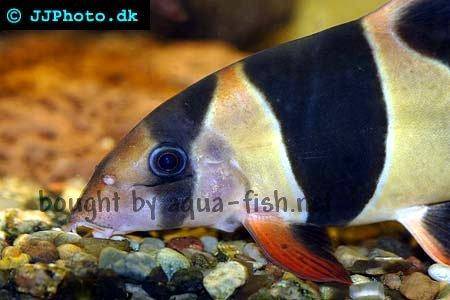
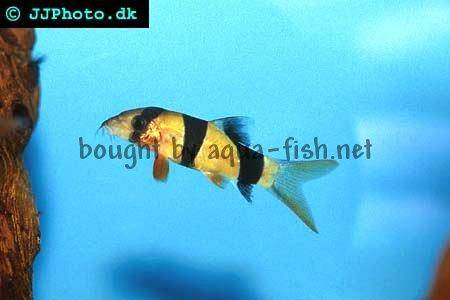
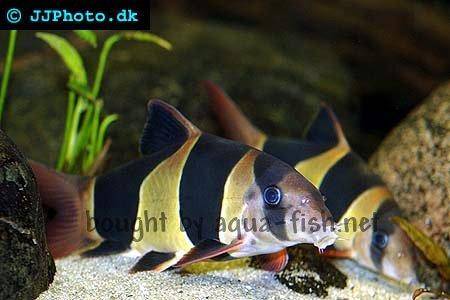
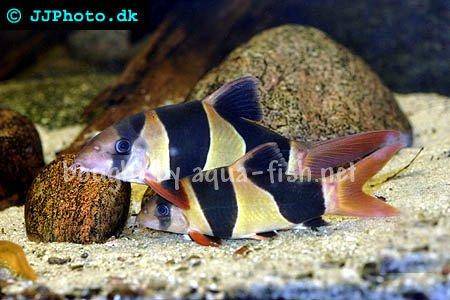
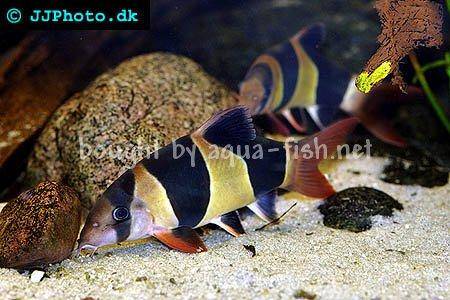
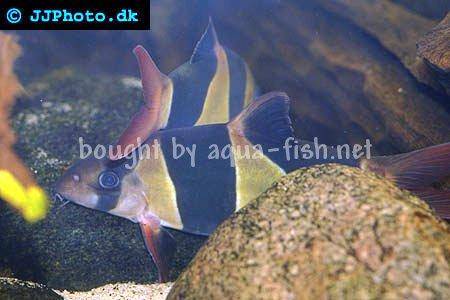
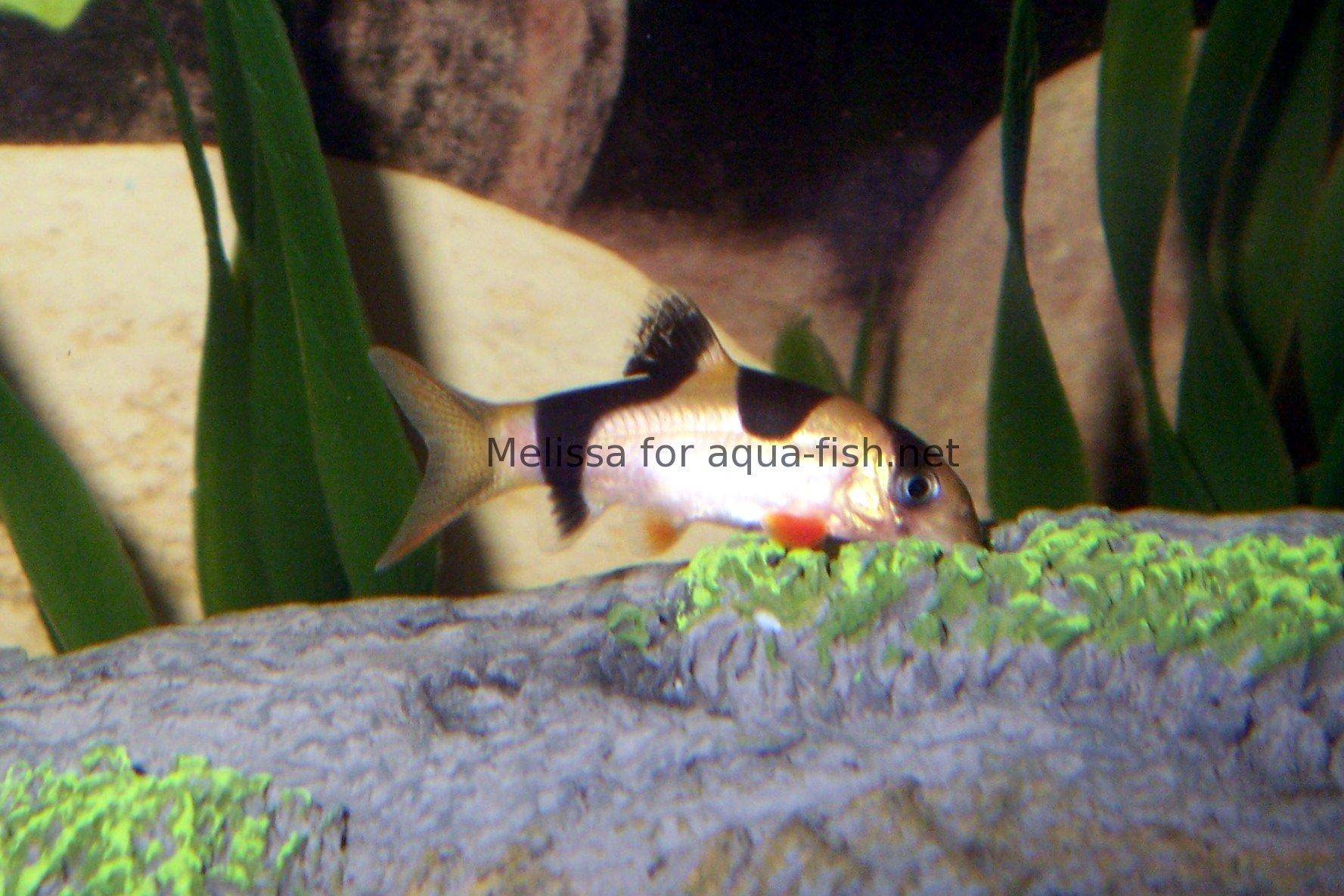
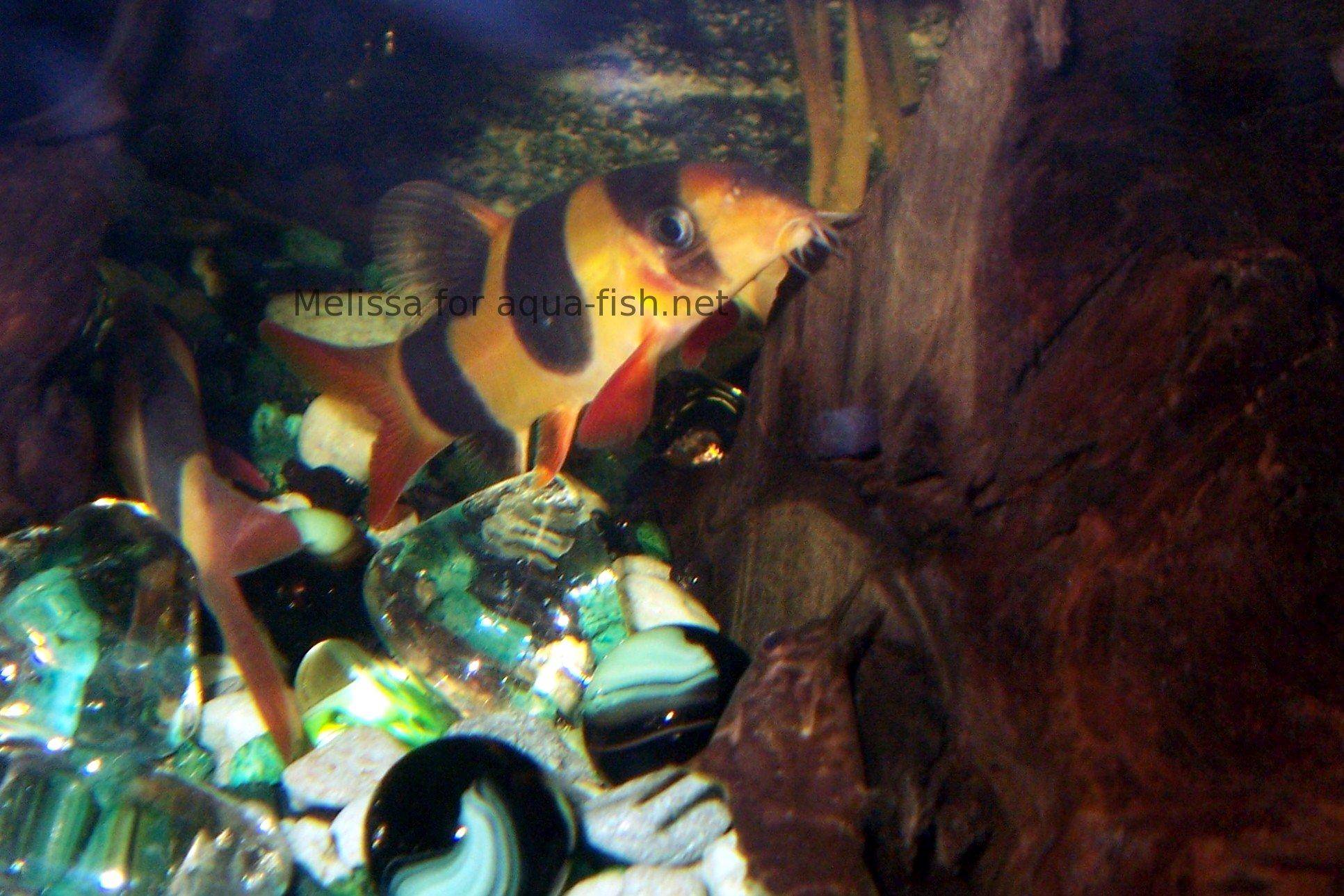
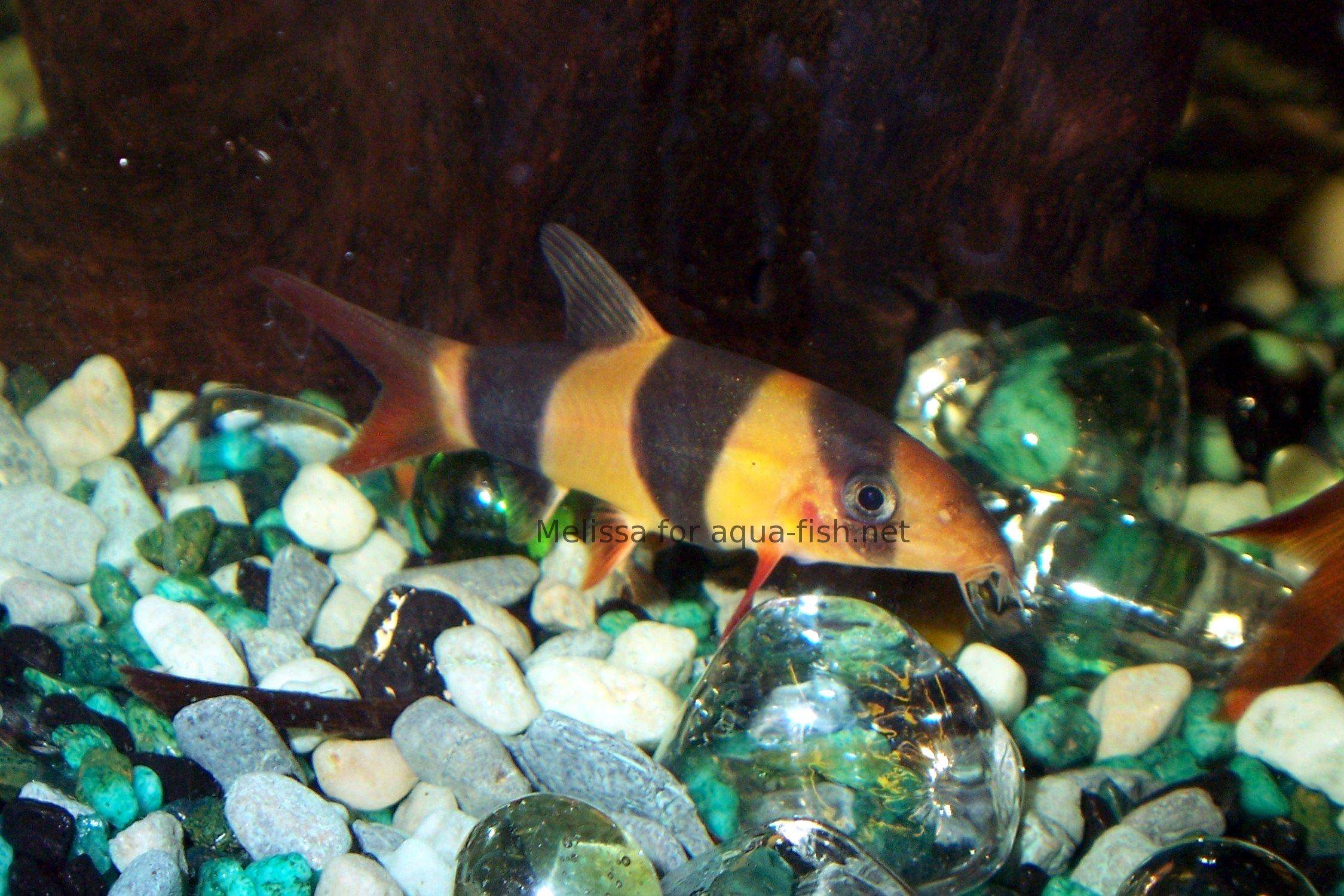
The Chromobotia Macracanthis, also known as the clown loach is a commonly kept fish for many tropical freshwater aquarists. They are characterized by their deep orange coloring and black stripes. Their flat bottoms are suitable for bottom dwelling.
Habitat
This fish originates in the warm (77- 86°F/ 25- 30°C), inland waters of Sumatra, Borneo and the Sunda Islands.
Sexing
It is hard to tell the sex of this fish although females tend to be bulkier. Rare incidents of breeding in captivity have been known to happen, yet it is not a common occurrence for hobbyists. It is a fact that clown loaches take years to reach sexual maturity so the larger fish are much more expensive and difficult to find in fish stores than the juveniles.
Diet
Clowns are omnivorous so they eat both meat and vegetables. I’ve noticed snails are their favorite but be sure to provide plenty of veggies for a well balanced diet. Algae wafers made with Spirulina can be a good source of vitamins for your fish. They also like frozen brine shrimp and beef hearts as well as various flake foods. These bottom dwellers have tiny barbels located around the mouth used to help them detect food. They use their pointy noses to dig through rocks and sand for sunken morsels.
Behaviors
Clowns exhibit a playful nature and unusual behaviors making them very exciting pets to observe. They like to play follow the leader and swim in neat little formations. Clown loaches also like to swim up and down the sides of the tank like they appear to be jumping over one another. I have a group of juvenile clowns that like to swim upside-down with the upside-down catfish. At times, they lay at the bottom of the tank appearing to be sick or dead. Don’t be alarmed because it’s just something they tend to do. Clown loaches do not have an aggressive nature although they do have extendable spines beneath their eyes to use as self defense in dangerous situations.
Requirements
This playful species can grow up to 12 inches in length if given the proper conditions.
- First, they need ample space to play and swim so provide nothing smaller than a 55 gallon aquarium with fresh, fast flowing water. Using a good power filter can help you to recreate a current much like their natural environment. I added a second one to ensure proper aeration and filtration of the aquarium water. You should also set up plants and rock caves for hiding spots.
- Second, clown loaches are very social fish that are comfortable in groups of 6 or more. They tend to hide and appear depressed when they are lonesome. An “alpha-loach” will establish itself; generally a female will be in charge of what is called the “pecking order”. Some sparring is usually done to determine this but the hostility never lasts long and they all appear to happily get along once it’s over with.
- Third, they need to be in a habitat where the other fish are also non-aggressive. They tend to be peaceful towards most other fish yet you’ll want to pay special attention that the other fish with tolerate a clown’s nutty behavior. This is important because stress makes this fish more susceptible to a parasite called ichthyophthirius a.k.a ich.
Disease
Ich appears like grains of salt on fins, gills and skin, and can potentially be lethal to not only clown loaches but on other tropical fish as well. Unfortunately because of the characteristics of a loach’s skin (being virtually scale free) this fish is most vulnerable to the ich parasite. There are many treatments for this disease but not all of them can be safely used in an aquarium with clowns. The safest way is to naturally treat your tank by introducing a submersible heater. Look for one made with titanium if your tank is larger than 75 gallons because they are virtually indestructible, they are accurate and are available up to 800 watts. Glass or plastic heaters (only available up to 300 watts) can also be used but keep in mind you may need multiple units to warm large volumes of water. Gradually heating the water to approximately 88 degrees Fahrenheit will speed up the lifecycle of the parasite, not giving it enough time to reproduce. You must do this for at least 5 days to insure the parasite has completed its life cycle. This works in cases that are not too severe so observe your fish frequently and start this natural treatment at the first sign of an infection.
Note
If you are an amateur aquarist clown loaches are not ideal fish to start an aquarium with. First establish and maintain a healthy environment making sure it is one that is compatible with all of their needs. Then you will be ready to start raising a happy family of clown loaches.
Pictures
References
- Aquarium fishes of the world By: Dr. Herbert R Axelrod, Dr. Warren E Burgess, Neal Pronek, Glen S Axelrod, David E. Boruchowitz
 Freshwater Angelfish - A guide and forums on care
 Breeding Freshwater Angelfish
 How to breed freshwater Angelfish in home fish tanks
 A guide and discussion on raising Electric Yellow Labs in fish tanks
 A guide on raising Galaxy rasboras in fish tanks