Cherry barb - Proper care, feeding, breeding & forum

Quick links - Answers
Advice by Jan, keeping fish since 1995

Brief Description
This page contains information required for taking proper care of Cherry barbs; Simply scroll down and in case you haven't found answer on your question, use a form at the bottom to ask us! Sharing experiences is welcome too!
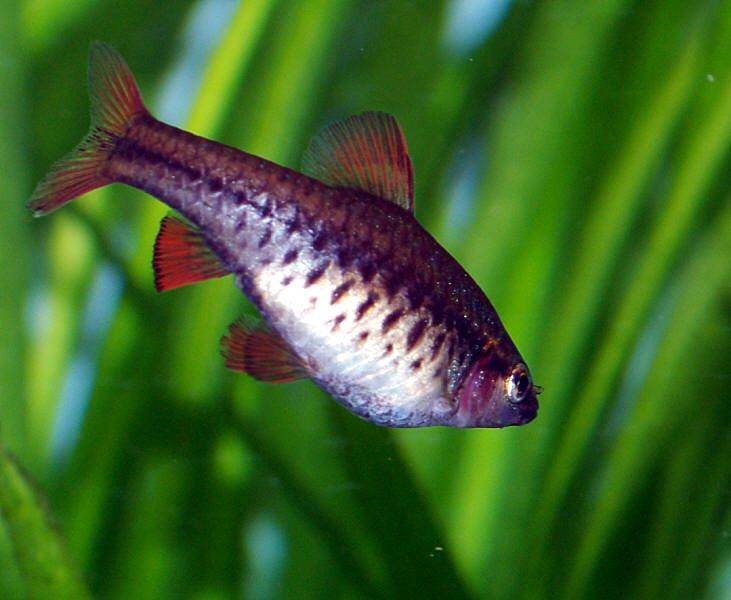
The Puntius titteya or Capoeta titteya is a freshwater fish known more commonly as the Cherry Barb. The Cherry Barb is a cyprinid fish that is well known and very important in the aquarium industry because of the attractive, deep red coloration often displayed by the males as well as their ease of keeping.
Origin and Habitat:
The Cherry Barb is originally from Sri Lanka but they were also found in Mexico and Columbia. They are a warm freshwater species that would often be found in bodies of water with calm, shallow waters. Cherry Barbs are nearly extinct in the wild these days but are easy enough to breed in captivity to the point where maintaining the species is not of dire concern. In fact, they are so easy to breed that it is a great species for beginner aquarists who are interested in breeding aquarium fish to start off with.
Water conditions:
The optimal water conditions for the P. titteya will have a pH between 5.6 and 7.0, with a temperature range of 74- 81°F, and soft to slightly hard water. A recommended volume of no less than 20 gallons of water should be supplied for these fish. The water should always be very clean and very well oxygenated. If well cared for, this fish could live approximately 4 to 5 years with a mature size of up to 2 inches. The Cherry Barb prefers a well planted tank that still contains plenty of free swimming space in the middle and top levels of the aquarium. Java Moss is a plant that is highly recommended for use in an aquarium containing Cherry Barbs because the roots are great for maintaining water quality and also because it is a very dense plant that comes in handy while spawning occurs. Another plant that is great for Cherry Barbs is dwarf hair grass because it is a carpet plant that can grow fairly dense at a quick rate and it requires little to no maintenance.
Food:
The Cherry Barb is an omnivorous species that will eat virtually any store-bought, prepared fish food as well as live brine shrimp. They will accept veggies such as algae wafers that contain spirulina, which should be frequently incorporated into their diets. A well balanced diet of veggies and proteins will promote healthy Cherry Barbs and increase chances of spawning.
Behaviors:
Cherry Barbs are fish that are happier in groups but tend not to swim in tight schools. They are generally peaceful fish that establish an alpha male amongst themselves by ways of intimidation and show of size; these fish rarely ever hurt one another. Cherry Barbs are great fish to keep for beginner hobby aquarists because they are a hardy species and therefore easy to care for. It is not a good idea for this species to be kept with other barb species that are likely to cause conflict, but they do get along well with bottom feeders such as plecos, loaches and corys. Because they are middle feeders, they tend to stay out of the bottom feeders’ ways and vice versa.
Sexing:
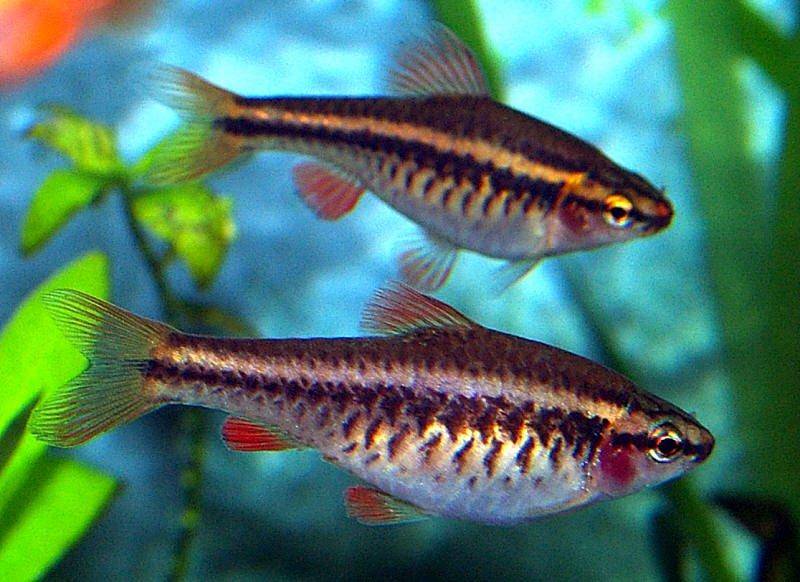
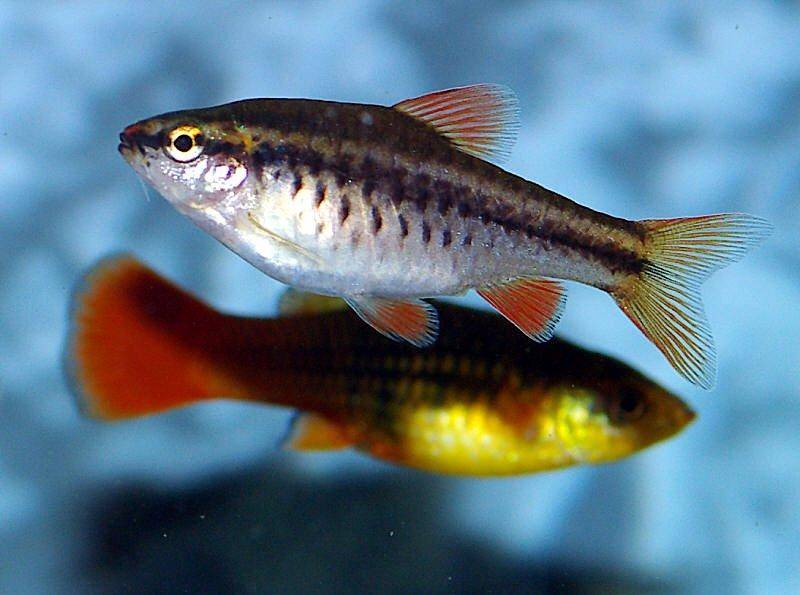
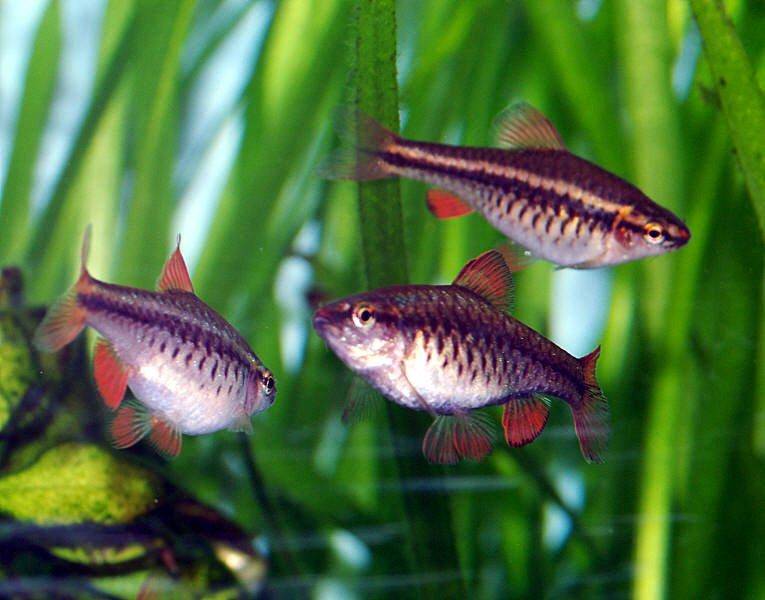
Cherry Barbs are sexually dimorphic meaning the males take on a look different from the females; therefore it is fairly easy to accurately sex this species of fish. The male Cherry Barb is brighter red in color while the females exhibit the plumper physiques and a more noticeable black stripe from nose to tail fin. While spawning the red color of the males tend to become much more brilliant and obvious.
Breeding:
Cherry Barbs are open water spawners, which mean they scatter their fertilized eggs in open waters. The male will show off for the female and display his fins while doing a little dance. When the female is ready for spawning she will respond to the male with interest, then egg-laying can begin. The eggs land among the substrate where they sit for up to two days before hatching. These fish will lay approximately 200 eggs, most of which are likely to be eaten if the parents are not moved to a different aquarium. This is where Java Moss and Dwarf Hair Grass come in handy. Both of these plants tend to grow in thick so that it provides a nice protective barrier for safeguarding eggs.
Caring for the Young:
When raising Cherry Barb fry, they are very likely hide until they are large enough to defend themselves against other fish which is why you might not even be aware that they are in there. The babies are slightly smaller than 2 millimeters in length when they hatch. They can be fed Hikari: First Bites which is a food that comes in powder form which is perfect for feeding the fry once they have absorbed their yolk sacs. Infusoria, or algae microorganisms, are also a great source of nutrition for week old fry until they are large enough to eat larger foods. Feed them these foods 2-3 times daily until the fry are large enough to consume newly hatched brine shrimp and microworms.
Pictures
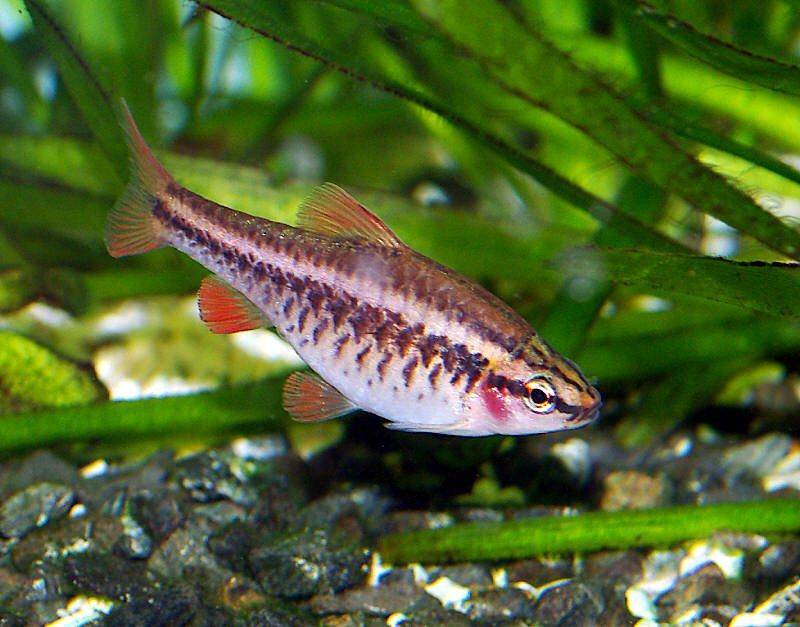
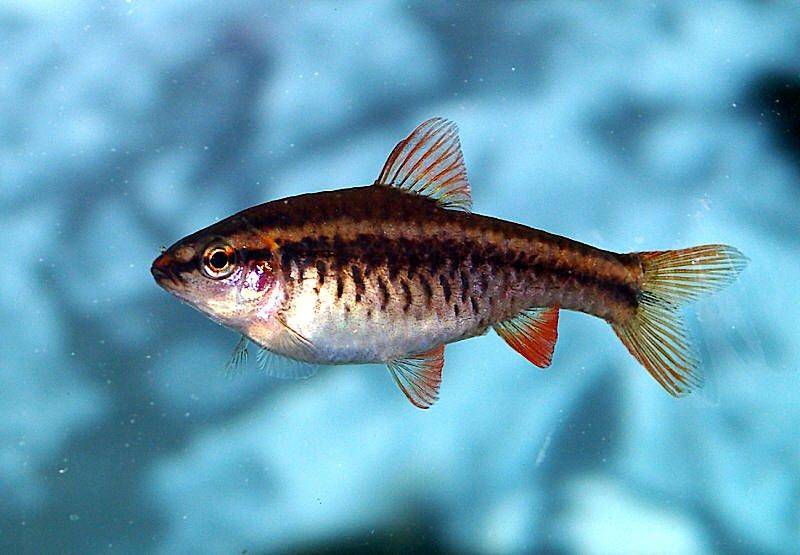
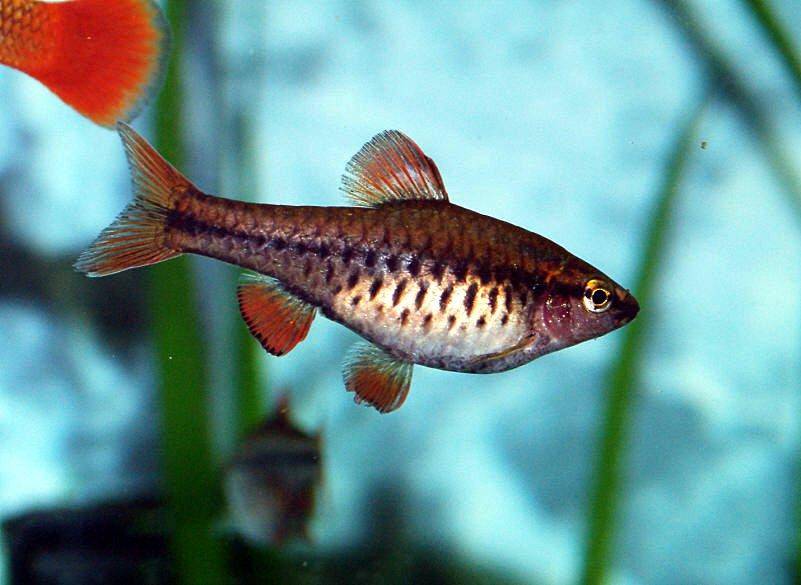
Thanks to halkor who has allowed us to use the pictures. One picture was bought.

 Advice on keeping Rainbow Sharks focusing on temperament and tank setup
 How to care for Bala Sharks with details on feeding, breeding and with forum
 How to keep and breed Barbus Tetrazona (The Tiger Barb)
 An article dedicated to raising Black Skirt Tetras in fish tanks
 Breeding Guppies by Kendra Jones
 An article on breeding and caring for Nothobranchius rachovii
 Species classified as community aquarium fish
 Article and forum on caring for Neon tetras including diet and breeding tips
 Fish species (how we divide fish)
 A forum and guide on raising Glass bloodfin tetras
 A guide on keeping Platies with FAQ and discussion
 A guide on caring for Guppies with focus on shapes and patterns
 The Guppy Fish - A guide and forum on breeding and care
 How to care for the Black Molly including breeding and discussion
 How to take care of Kuhli loaches with forum and images
 A guide and forum dedicated to keeping Guppies in aquariums
 An introduction to caring for Killifish
 Keeping Motoro stingray (Potamotrygon motoro) in home fish tanks
 Pictures of the Black Skirt Tetra with Discussion
 Proper Care of Rainbowfish with Feeding and Breeding
 A guide on keeping and breeding Mollies with forum and images
 An article and forum dedicated to caring for Yoyo loaches