The Bristlenose catfish - Care, Breeding, Diet and Forum
Quick links - Answers
- Breeding
- Sexing
- Frequency of reproduction
- Adult size
- Diet and eating
- Carrot
- Eating algae
- Right temperature
- Ideal pH
- Recommended water hardness
- Compatibility
- Aggression
- Breeding size
- Breeding age
- Number of specimens in a tank
- Eating fry?
Expert Advice by Jan, keeping fish since 1995

Brief Description
This is a page for all Bristlenose catfish-lovers. It describes raising this species including breeding, contains FAQ, pictures and forum with questions and answers. We'd love to hear about your Bristlenose catfish, so ensure that after reading this article you leave us a message at the bottom of this page! We also want you to visit the following pages: Bristlenose catfish profile with forum (Ancistrus cirrhosus), Profile of Bristlenose catfish with discussion - Ancistrus sp., Gold marble bristlenose catfish - Ancistrus claro and Bushymouth catfish - Ancistrus dolichopterus since these fish are often known as Bristlenose catfish and perhaps you came here looking for information about one of these species! If your questions about this species haven't been answered yet, feel free to submit your story via the form at the bottom of this page! We will gladly answer!
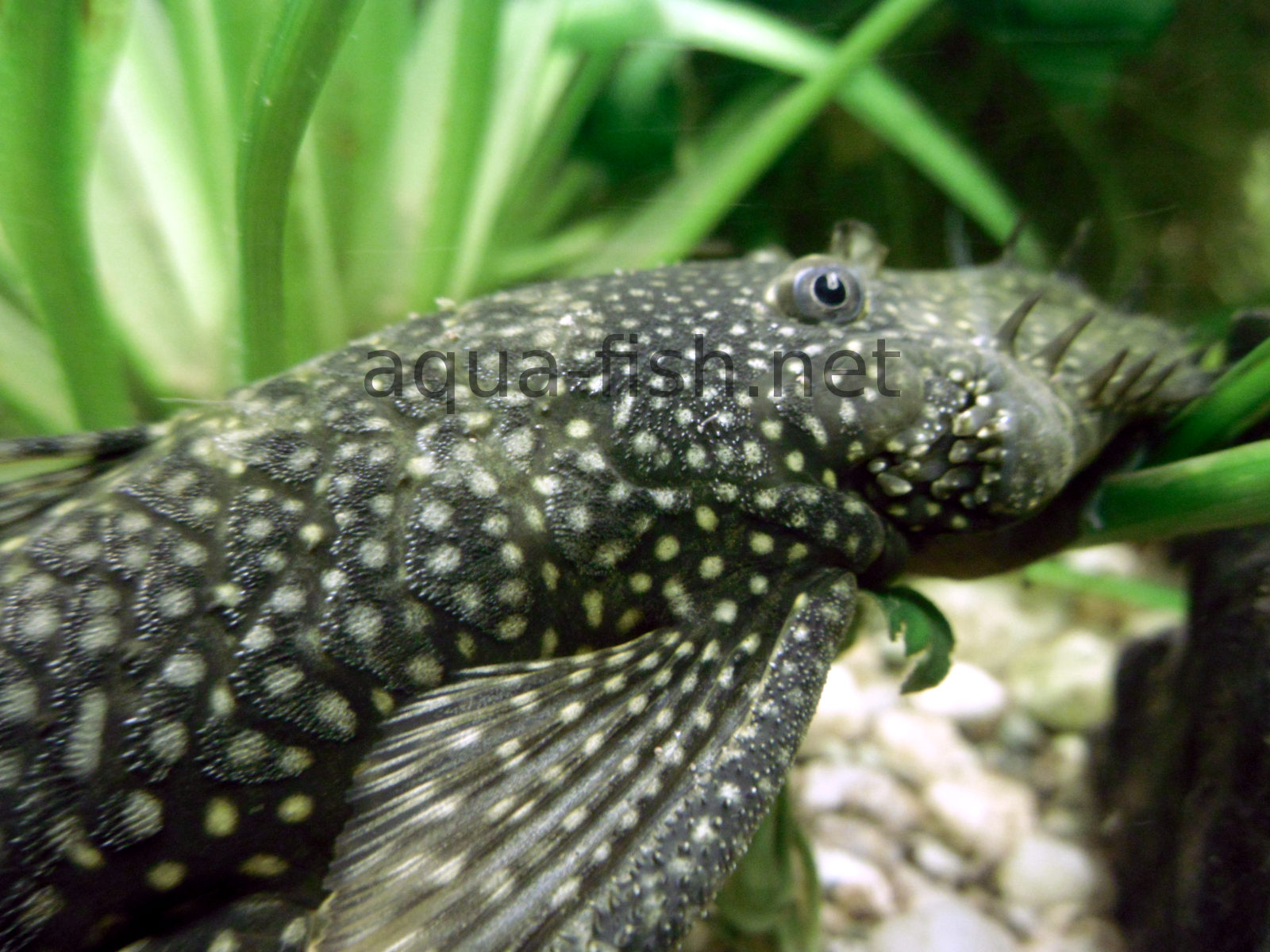
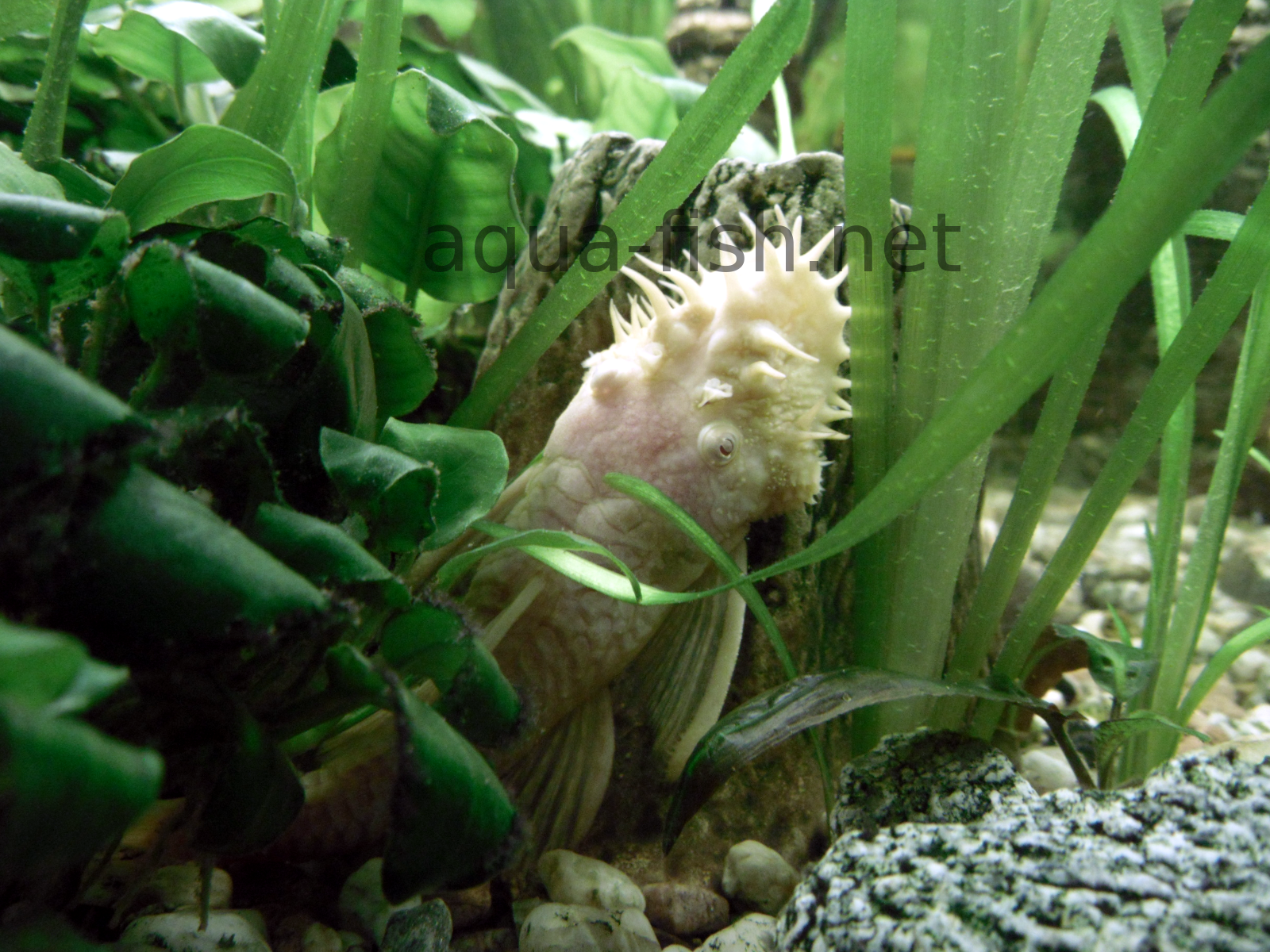
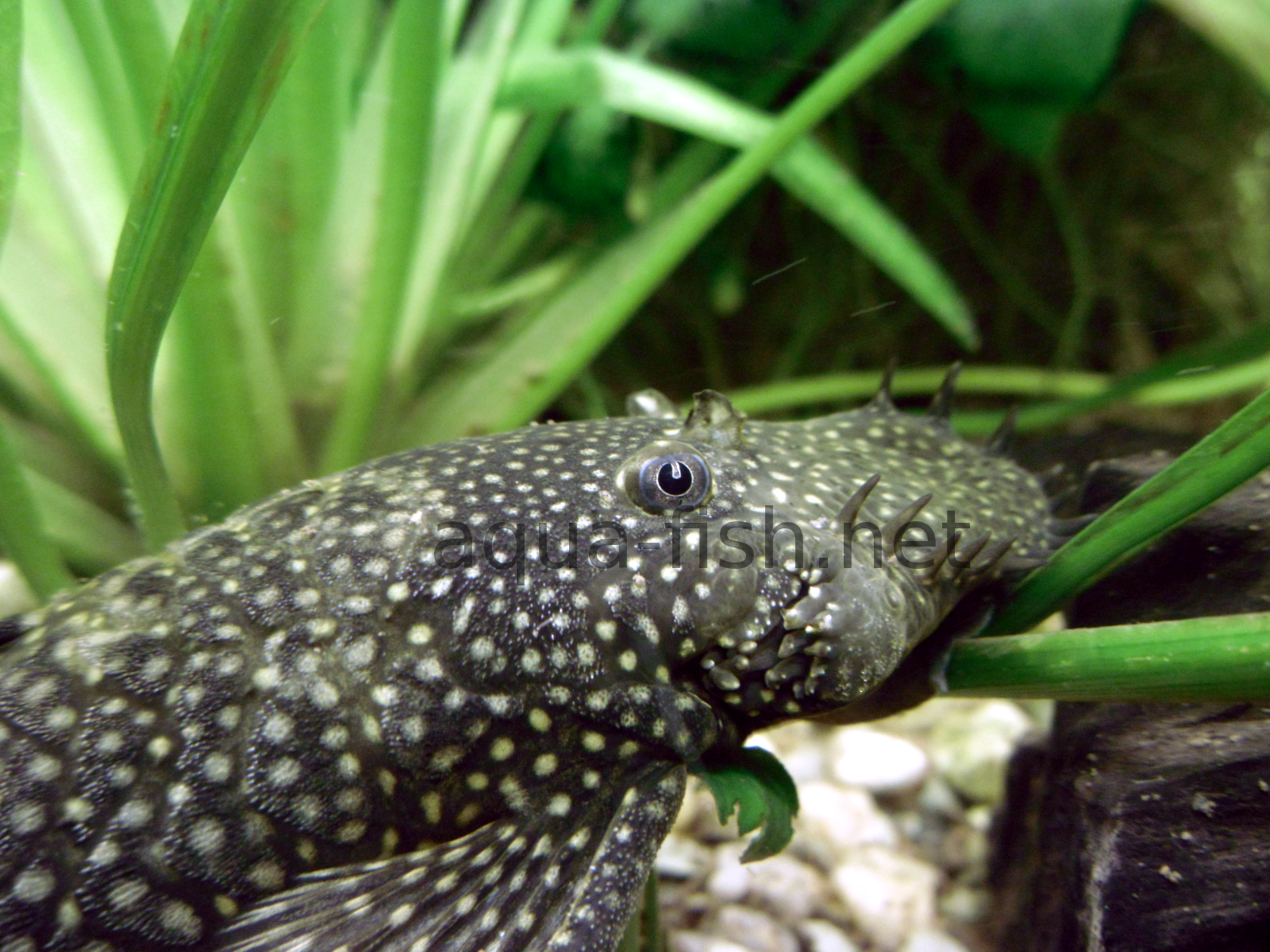
The species known as Bristlenose catfish belongs to the most common and most popular tropical aquarium fish that are available in aquatic shops and they’re widely known as “a dark fish that sucks glass and bottom of fish tanks”. Even though there's an albino form of this species, they’re mostly dark with a small moustache. These relatively small (adults reach approximately 10 - 13 cm in length – which equals to 4 - 5 inches) fish complement many tropical freshwater aquariums and I personally have found these to be superlative fish!
Basic requirements and introduction
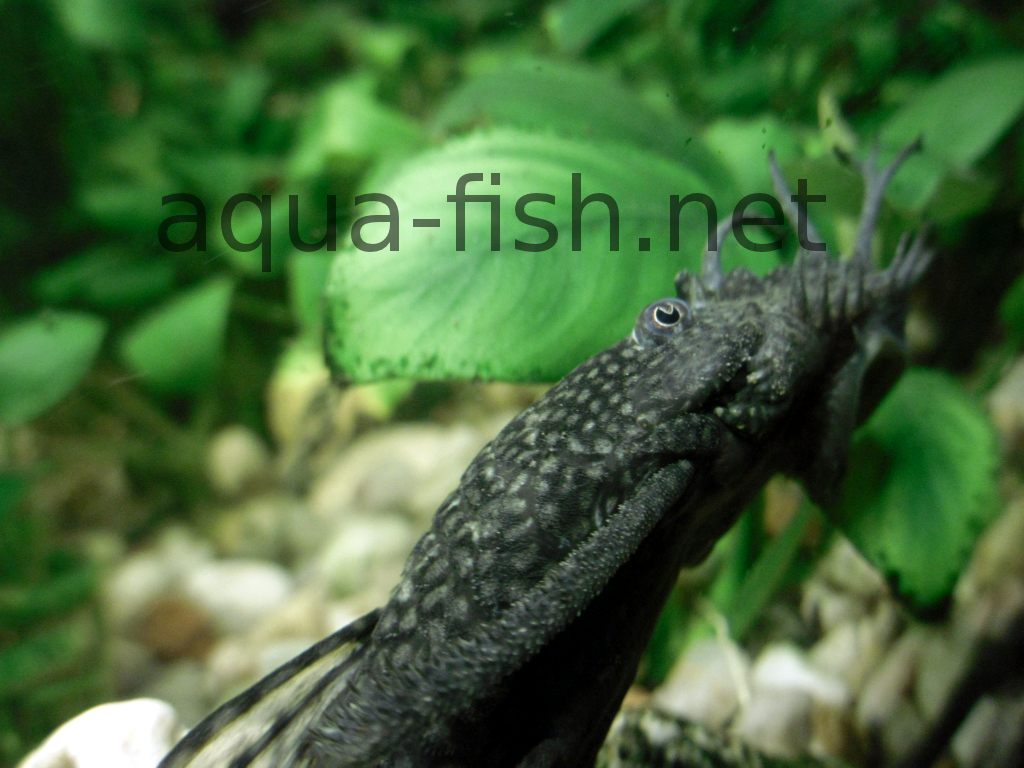
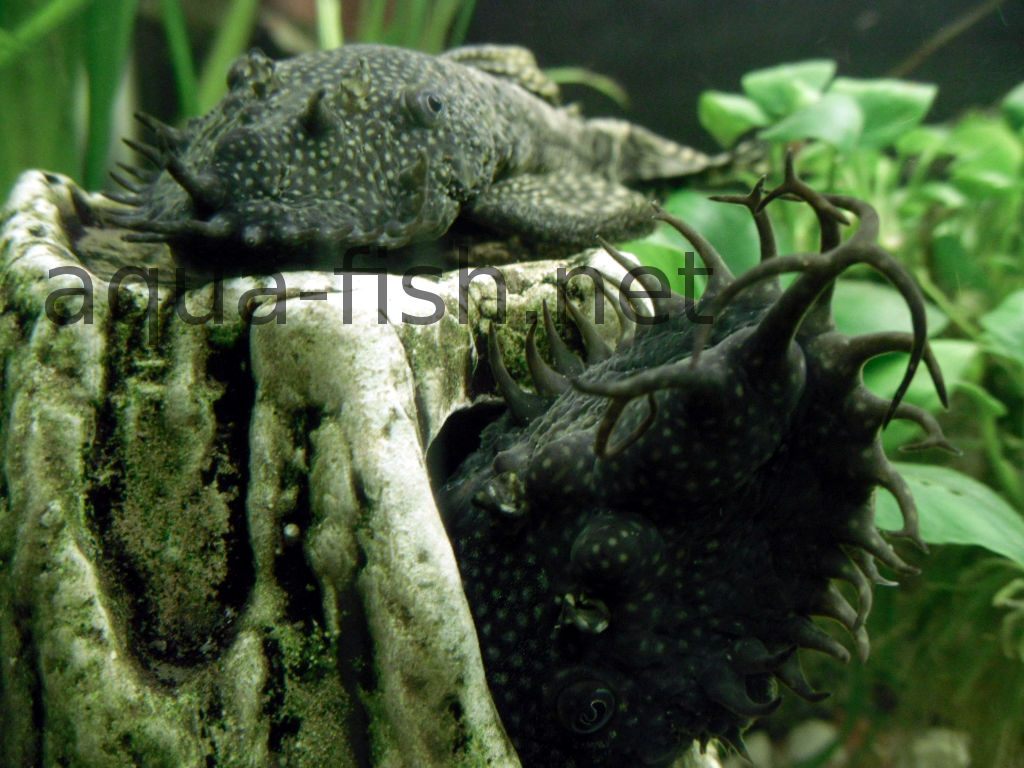
In general these catfish aren’t very demanding when it comes to space requirements since they share bottom levels of tanks or just rest on large plants and, as mentioned above, adult specimens grow to 13 cm in length (approximately 5 inches), moreover females grow smaller than males. Just like many other catfish they’re very social and do well together, thus a tank with a base of 50 x 50 cm (20 x 20 inches) can house even 15 Bristlenose’s easily. It is more a coincidence than goal that first fish tanks of many fishkeepers are perfectly suitable for these “guys”, by the time they’re purchased aquarists often aren't able to tell males and females apart. Since it is impossible to sex this species when they’re juveniles it is recommended to wait and as time goes by the males acquire a moustache (bristles) and grow bigger than females. Moreover, colouration of males is nicer than colouration of females. As long as they’re given a good place for laying eggs, they’re going to breed as much as Guppies would. By “good place for laying eggs” it is usually meant a flat rock, cave or pipe surrounded by plants that are perfect for this purpose. It’s important not to house bottom dwellers such as Loaches in a breeding tank as these fish are capable of eating the eggs and even newborns! In order to offer them proper conditions it's usually wise to purchase a larger dedicated aquarium; So Bristlenose's can start breeding repeatedly month after month. Watching how newborns keep themselves sucked on rocks, caves and glass is a wonderful feeling. Many aquarists are convinced that breeding Bristlenose catfish is difficult, however it's an easy task in a properly setup tank and the number of your Ancistrus may keep increasing since that first lucky moment.
This article used to be a shortened version of proper care of these catfish, however correct and suitable water chemistry, temperature are very important if one aims at keeping happy fish. Many shop assistants misinform their customers, even different websites publish information that is republished from books or other websites, in the end you might end up with a variety of contradictory info/tips which is why we decided to publish as many details as possible below. Water hardness, temperature, pH, carbonate hardness, flow of water – these are very important!
What kind of aquarium is most suitable for Bristlenose catfish?
A tank with many hiding places is required since Bristlenose catfish love to hide during daytime. These fish are more active at night as they’re nocturnal. Most catfish tend to hide all day long except for the feeding time. Hiding places are too required for high survival rate of newborns. By hiding places it is meant rocks, caves, wood, but also live plants such as Anubias nana or Java moss which these fish love indeed. In case you keep Acara's, Angelfish or Gouramis in a Bristlenose tank, then these hiding places are really a necessity, because Acara's or Gouramis may become territorial and aggressive towards small specimens (newborns especially). Even Angelfish use to chase Bristlenose's during breeding. In my case one of my fish is still an eye witness of Gourami's hunger – the rest of the babies were eaten by a hungry Gourami. Predators will simply hunt newborns.
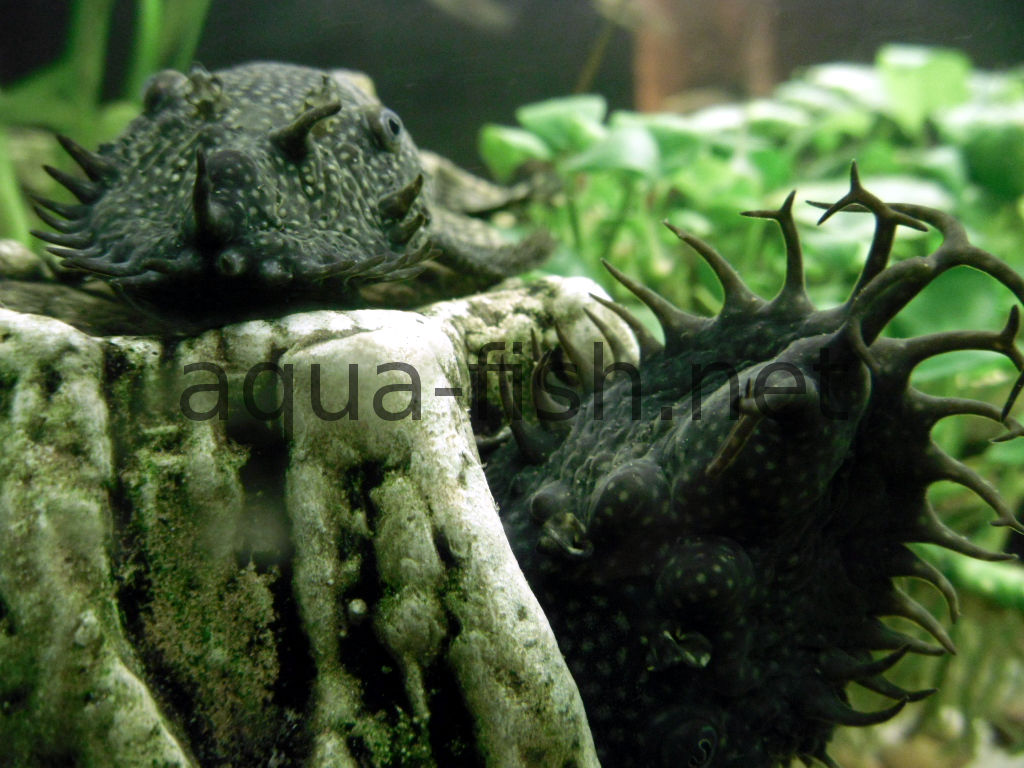
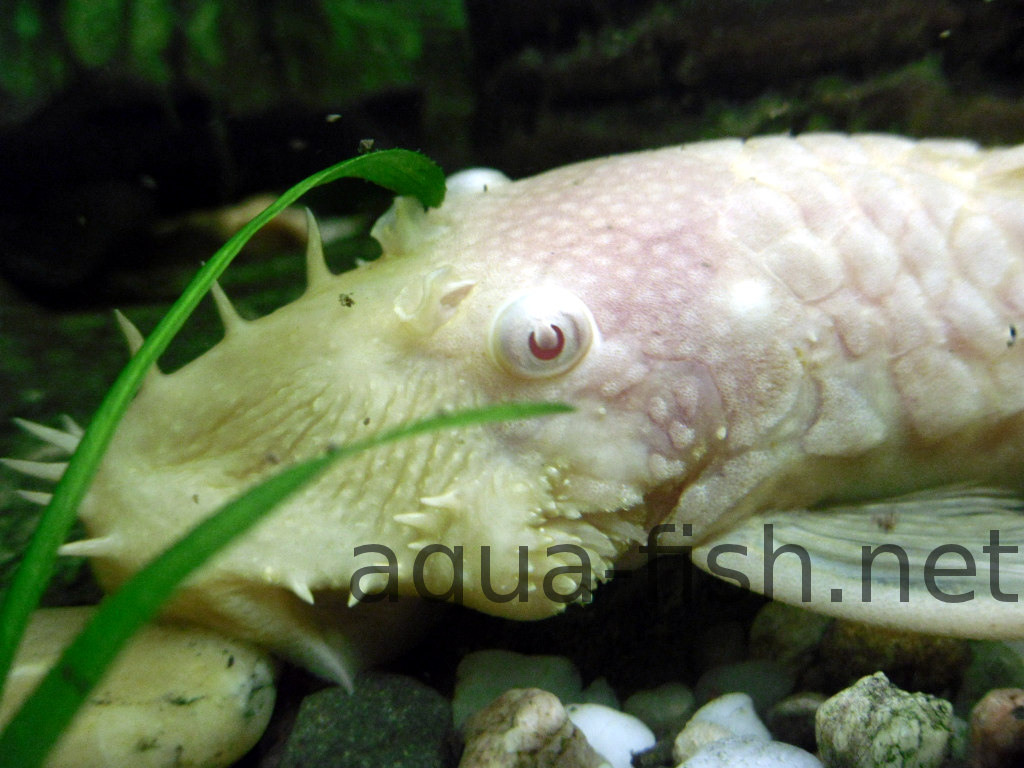
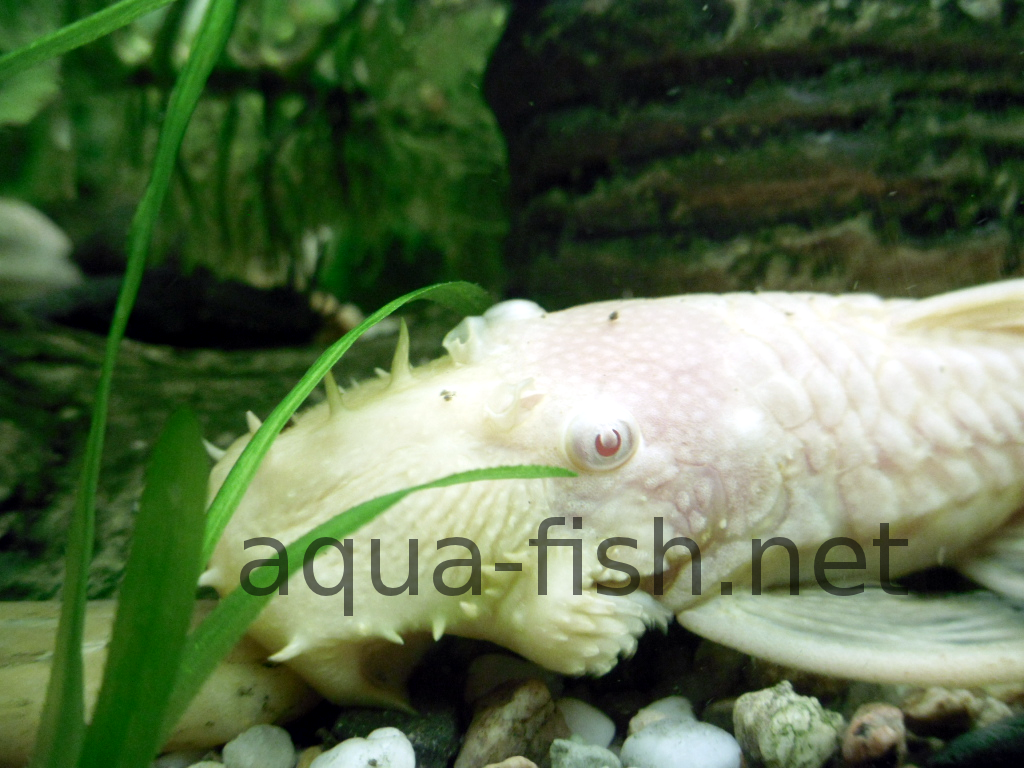
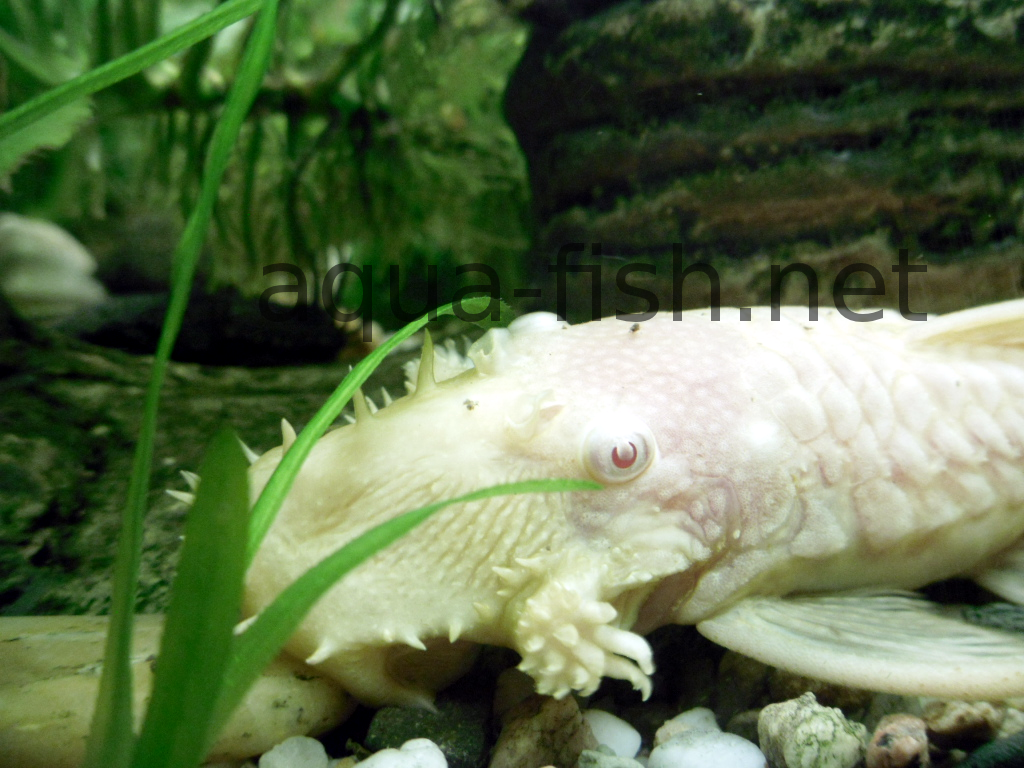
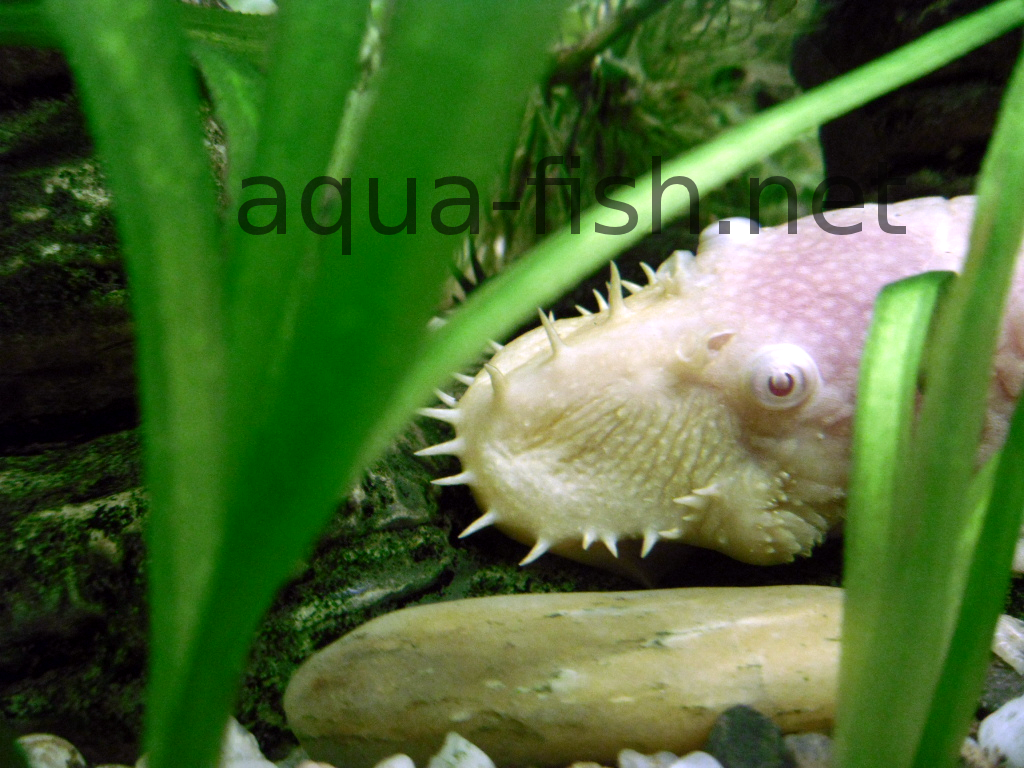
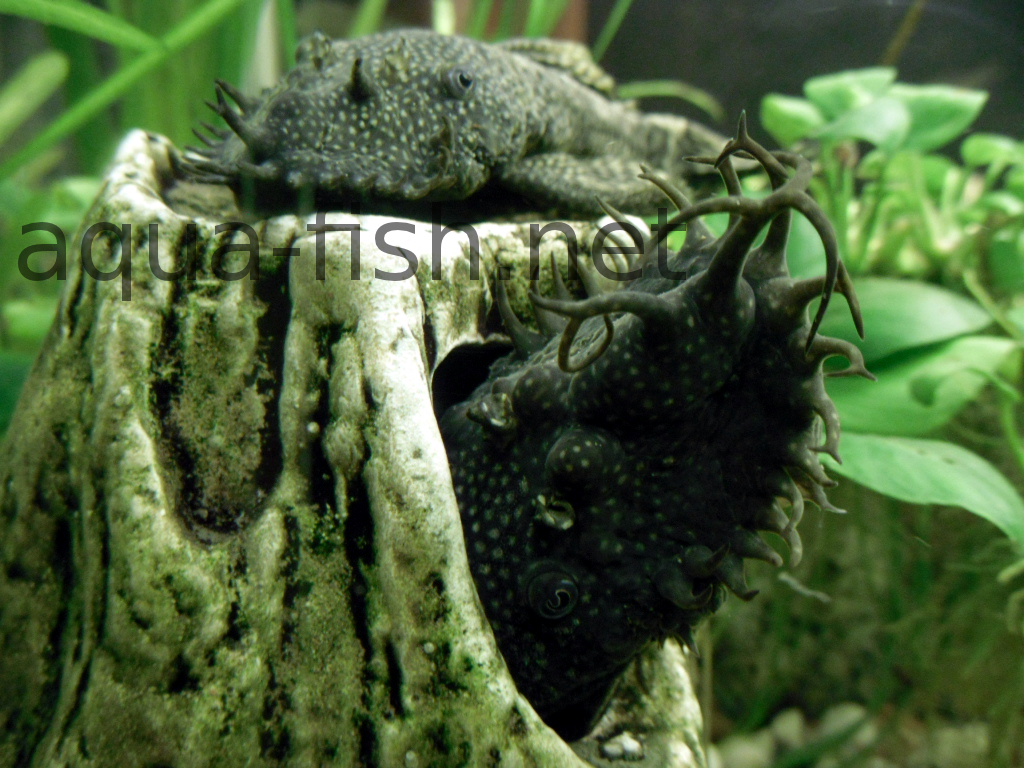
Tall aquarium or shallow one – this doesn't matter to this species, however good aeration is more than necessary. In a case the level of oxygen in water reaches little values, these fish will swim to the surface in order to breathe. As mentioned below, Bristlenose's have primitive lung so they can breathe atmospheric air too. Once again, this is dangerous for small specimens as they could be caught by other predatory fish. Once newborns reach 2 cm (0.79 inch) in length, it's not that easy to eat them.
What about the temperature of the aquarium?
Bristlenose will survive in 18°C (64°F) water, but it is not recommended to keep them under 21°C (70°F). A fiskkeeper won't risk a thing if the water temperature is kept between 22-25°C (71-77°F) constantly. Of course, there are different seasons which means during Summer the temperature is greater than during cold Winter. These fish do feel better when temperature is higher, for instance during Summer the temperature may exceed 28°C (82°F) which is when it's time to ensure that aeration is performed properly by the filter or air pump, otherwise your Bristlenose's will swim to the top and will breathe from surface. It's a known and proven fact that the level of oxygen becomes lower as temperature raises.
What does Bristlenose eat?
These bottom dwellers love quality food such as SERA tablets, mosquito larvae, worms, even insects, daphnia, brine shrimp! These fish use to breed the most when their main diet consists of live or frozen foods, but they will reproduce even if fed tablets by Sera; There are usually two kinds of these - the meat and vegetable varieties. By offering your fish a varied and quality diet you not only provide them with vitamins and essential minerals, but you also minimise the chances of having a mass disease in your tanks (fortunately). More ancistrus, more tablets and other foods. However, these catfish won't refuse other foods that fall down to the substrate which means flakes or even dead fish may become a part of their diet. As mentioned already, mosquito larvae, various worms - live or frozen - are welcome and they’re also necessary as no-one wants to eat one kind of food 24/7/365. Avoid overfeeding as your Bristlenose's may die if overfed. If you want to see what happens with carrot in a tank with Bristlenose's, try it. They love carrot, additionally carrot contains nutriments that are beneficial for growth and health of your fish, not only Bristlenose's!
Water hardness, pH and what else?
pH is crucial for newborns, however old specimens tend to be very hardy. Many newbies aren't testing water chemistry, however it is a fact that these catfish breed easily in a slightly acidic water (pH or 6.5) with temperature varying between 22-28°C (71-82°F). General water hardness is a variable that's not very important for these pleco's - what is important though is to ensure it won't fall under 4 and won't exceed 24-25! It's not necessary to perform regular weekly water changes as long as you're able to keep the water mineralised.
Naturally, we do recommend to keep aquarium, fish and plants healthy - so if you're not pro at mineralising water, you'll better perform water changes as it's simple.
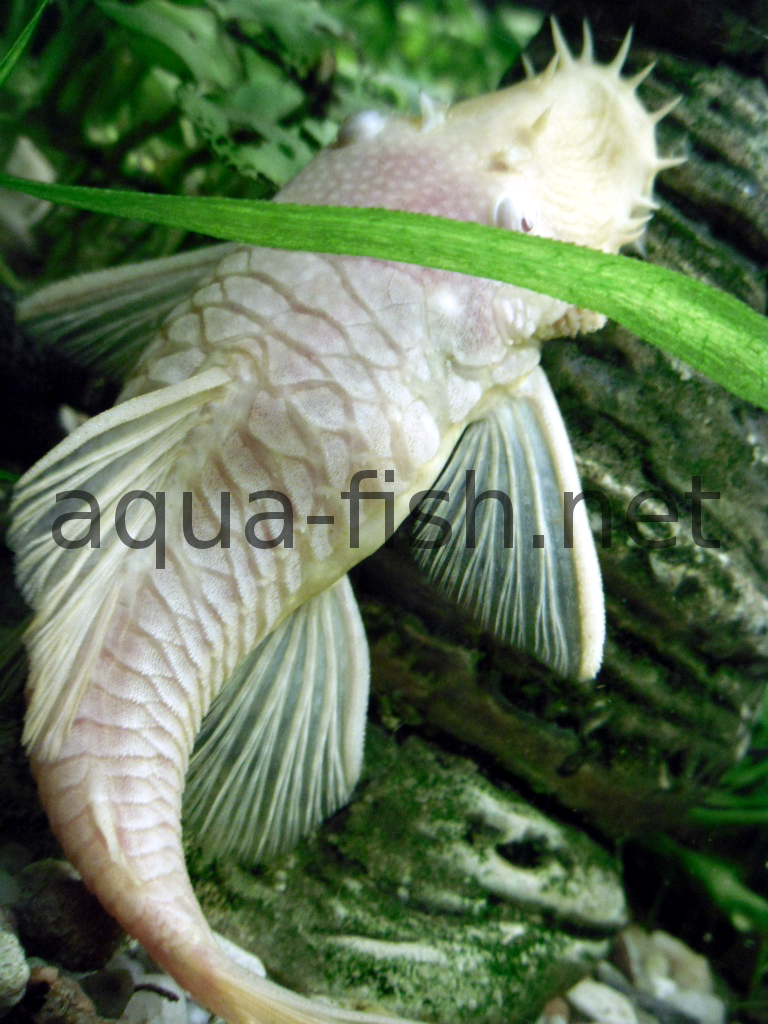
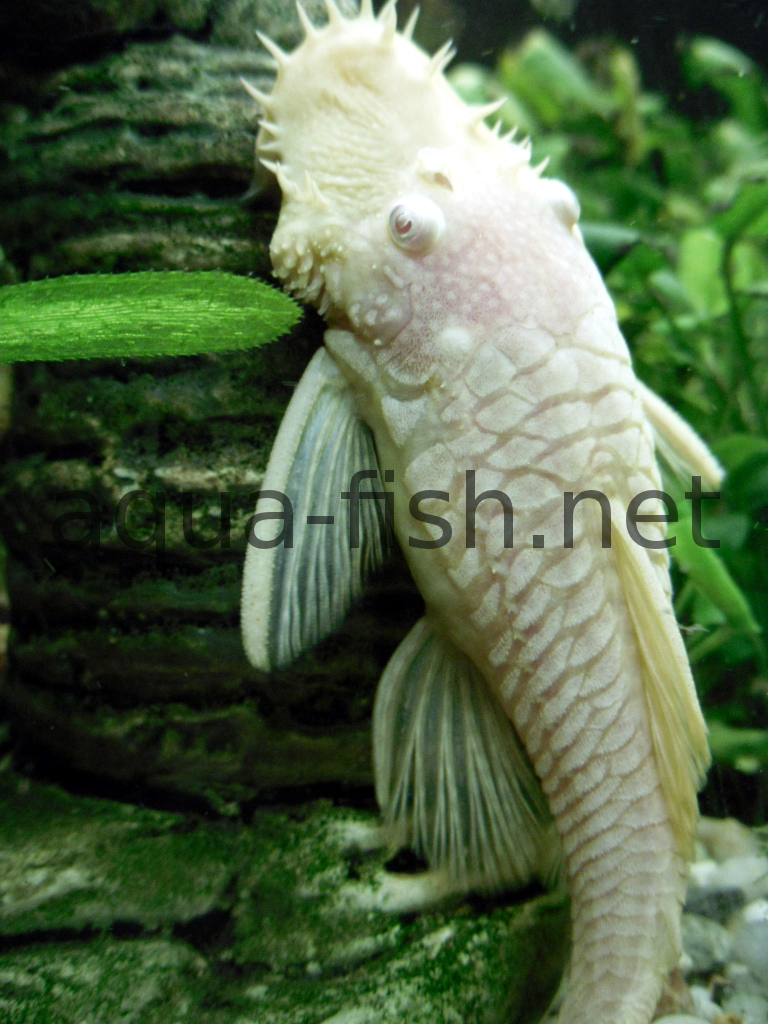
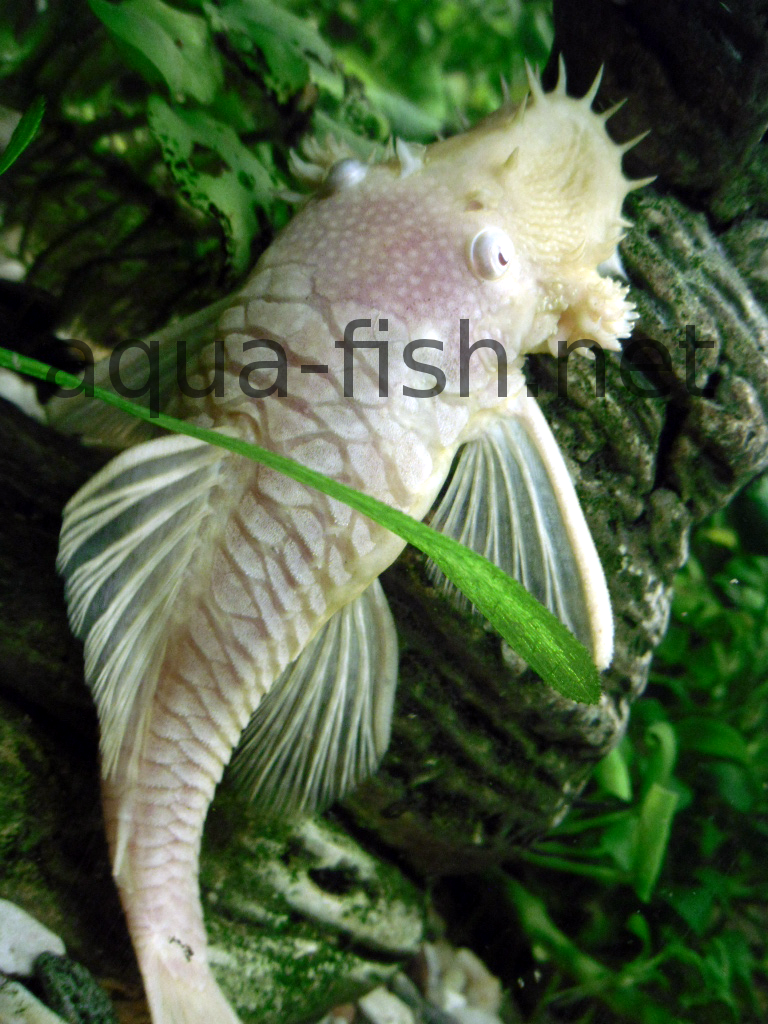
As it has been mentioned above regarding ideal pH for breeding, pH should be neutral, better slightly acidic than alkaline. If it's 6.5 or 7 - that doesn't matter at all. Keep monitoring carbonate hardness; this must be 4 or above in order to make most of the fry survive. If carbonate hardness is 4 or above, pH will be very stable too. If carbonate hardness (KH) falls under 4 then pH will become unstable and without any intervention from the keeper's side it's possible pH in the morning is 7 while in the evening it can be as low as 5.5. In order to fix this issue just add one teaspoon of sodium bicarbonate per 100 litres (26.42 US gallon, 22.00 Imperial gallon) and perform the test for KH again. If the value is still 3 or less, repeat the whole process until it reaches 4 or greater values.
How many Bristlenose catfish to keep?
The answer depends on the following questions; Do you keep males? Or females? Or both? Males are more territorial, but will get used to each other as time goes by. If there are hiding places and bogwood in your fish tank, then 1 Bristlenose catfish needs about 10 square centimetres (1.55 square inch). It's wise to add plants into such a tank too. Not only plants enhance water quality, they also help to divide territories and will keep fish more calm.
Breeding Bristlenose catfish
First of all one should simulate rainy seasons in order to support their courtship behaviour as tropical fish do breed during these periods because it simply is a sign of abundance of foods. Please, visit this article to read more on this topic. Additionally Bristlenose's prefer temperature to be at 24 - 26°C (75.20 - 78.80°F) when breeding, however you'll find out that temperature isn't the most important factor that affects results. Instead, it's protection of eggs. If you keep other bottom dwellers in the same tank along with Bristlenose's, say Loaches, it's necessary to ensure that Loaches or other bottom dwellers cannot reach eggs. The breeding process is likely to succeed if your Bristlenose's are the only species in the aquarium. The female lays eggs under driftwood, or in caves or pipes. After fertilization the male will keep protecting the eggs (eggs are yellow). He may be not seen for as long as 3-4 weeks depending on how many females are in the tank, and also depending on the fact if females are willing to reproduce. During this time the male will fan the eggs. In my experience breeding Bristlenose catfish is a completely "automated" process that doesn't need any input from the fish keeper.
The parents will not eat eggs, nor fry. Sexing is very important when you're about to keep your fish for the purpose of breeding. It is described below within one comment (click here). A pair is ready to breed once both specimens are 7 - 8 cm (2.76 - 3.15 inch) long. This depends on diet too; more proteins mean fast growth, but growth in size won't mean that fish are sexually mature. The size of 7 - 8 cm should be reached in 6-10 months of age.
How often do Bristlenose catfish breed
If they’re given proper conditions, Bristlenose catfish are able to breed each month. Naturally you will notice short breaks as it's hard for a female to produce eggs all the time.
What should you know before buying Bristlenose catfish?
- This fish lives usually 8 years. Don’t buy any Bristlenose if you plan to keep your aquarium for only 1-2 years.
- Bristlenose is a very peaceful fish but it still needs its area. Adult males sometimes fight other males when they meet each other, however they don’t fight to the death. Naturally, when Bristlenose fish breed, the tank would become full of fish which should not be a reason to sell them or to give them to other people. It is recommended to sell/give them when they’re adult or when they grow up to 6 cm (2.36 inch). Two reasons why: firstly, they will easily survive in the new tank; secondly, they will cost more when they are adult as they are larger and more beautiful.
- A Bristlenose likes tablets, pellets, worms, larvae, meat! Often the shop assistant sells this fish and says “It will eat all algae in your tanks.” This is not true for adult fish. Unlike adults, newborns like algae much more. Until they are 2 - 3 cm (0.79 - 1.18 inch) long, they will eat it all day long.
- Bristlenose catfish do need wood! Not only it divides their territories, driftwood also provides place for algae to grow which is a diet of small newborns and this species tend to be more happy, more playful, if given such a piece of decoration.
Compatibility of Bristlenose catfish
As it's already mentioned above, Bristlenose pleco's are peaceful fish and do well with Corydoras, Angelfish, Discus and other peaceful fish. Be careful, because if you want to breed your Bristlenose's, choose tankmates that won't eat the eggs. For example Yoyo loach is strong enough to get to the eggs, but a small Corydoras panda is not. Ramshorn snails can be deadly for eggs! They move slowly, but aren't considered dangerous by these catfish!
Video
Download the video here: link (approximately 7.3 MB, mpeg format, MPEG-1 mpeg type, 640x480px)
Pictures of Bristlenose catfish
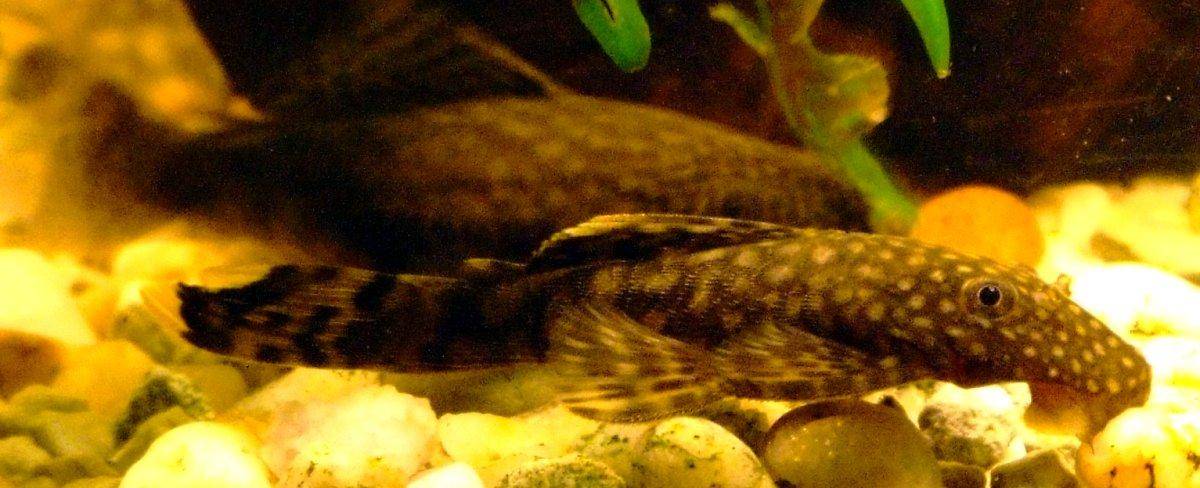
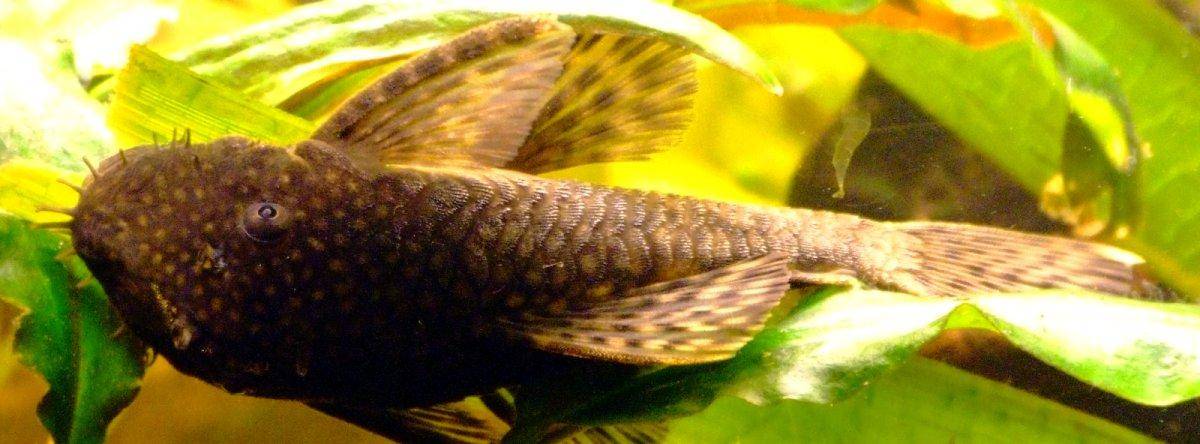
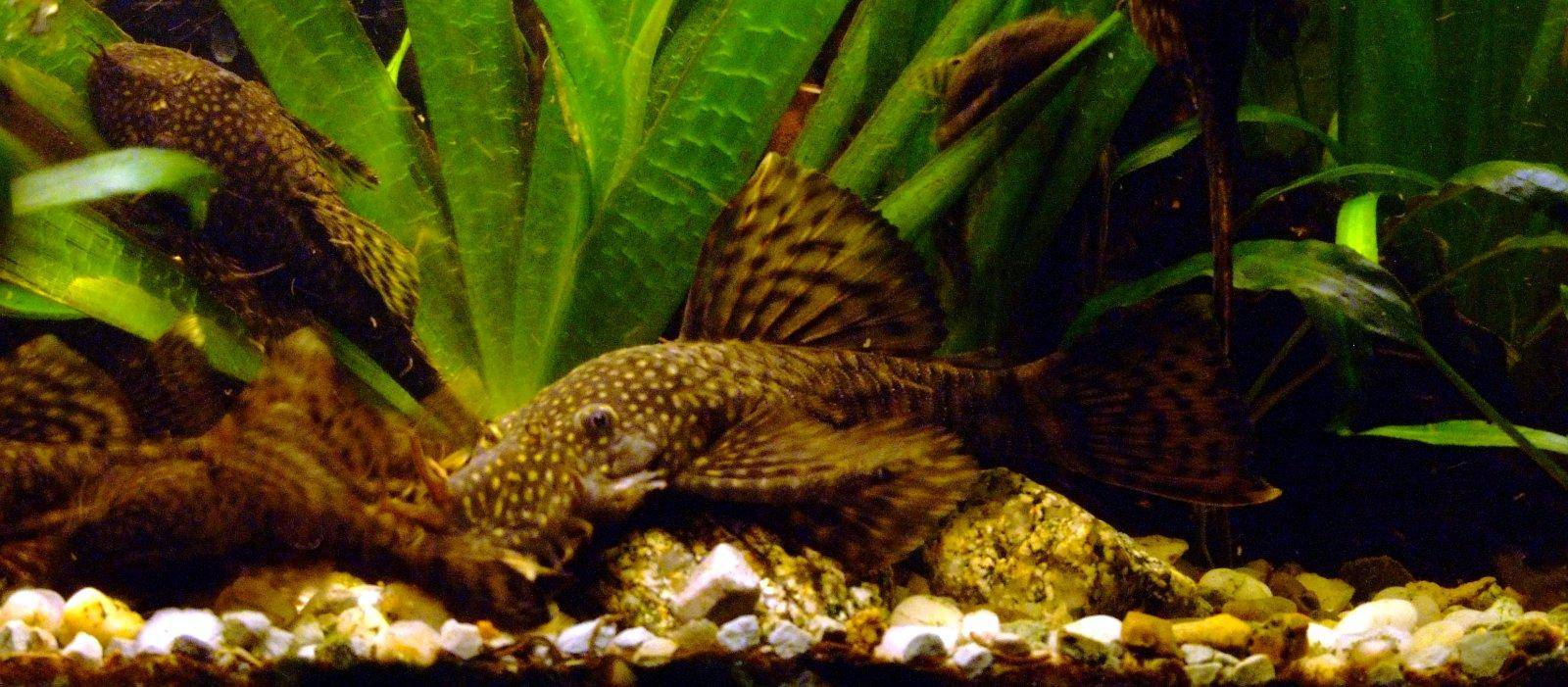
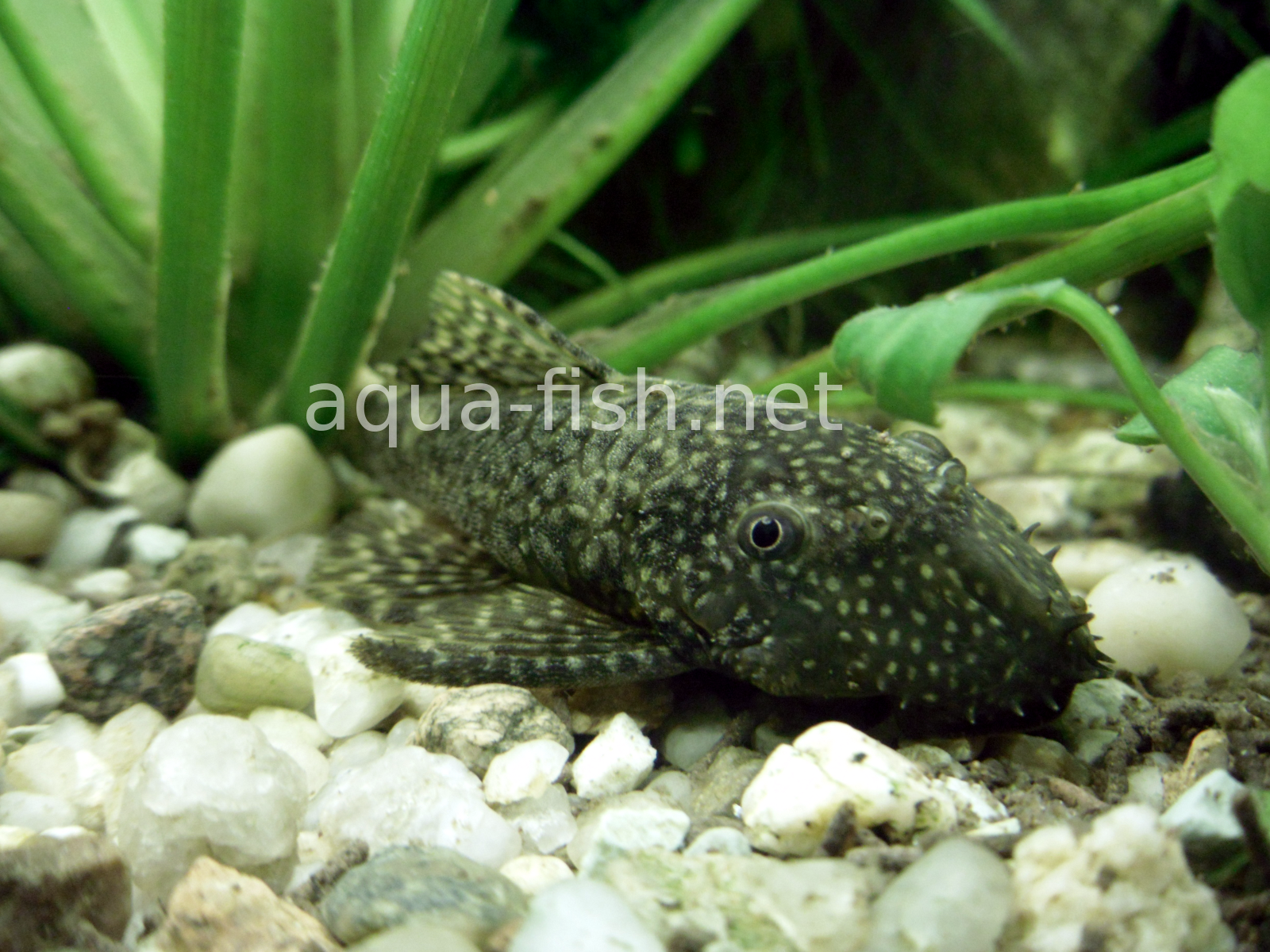
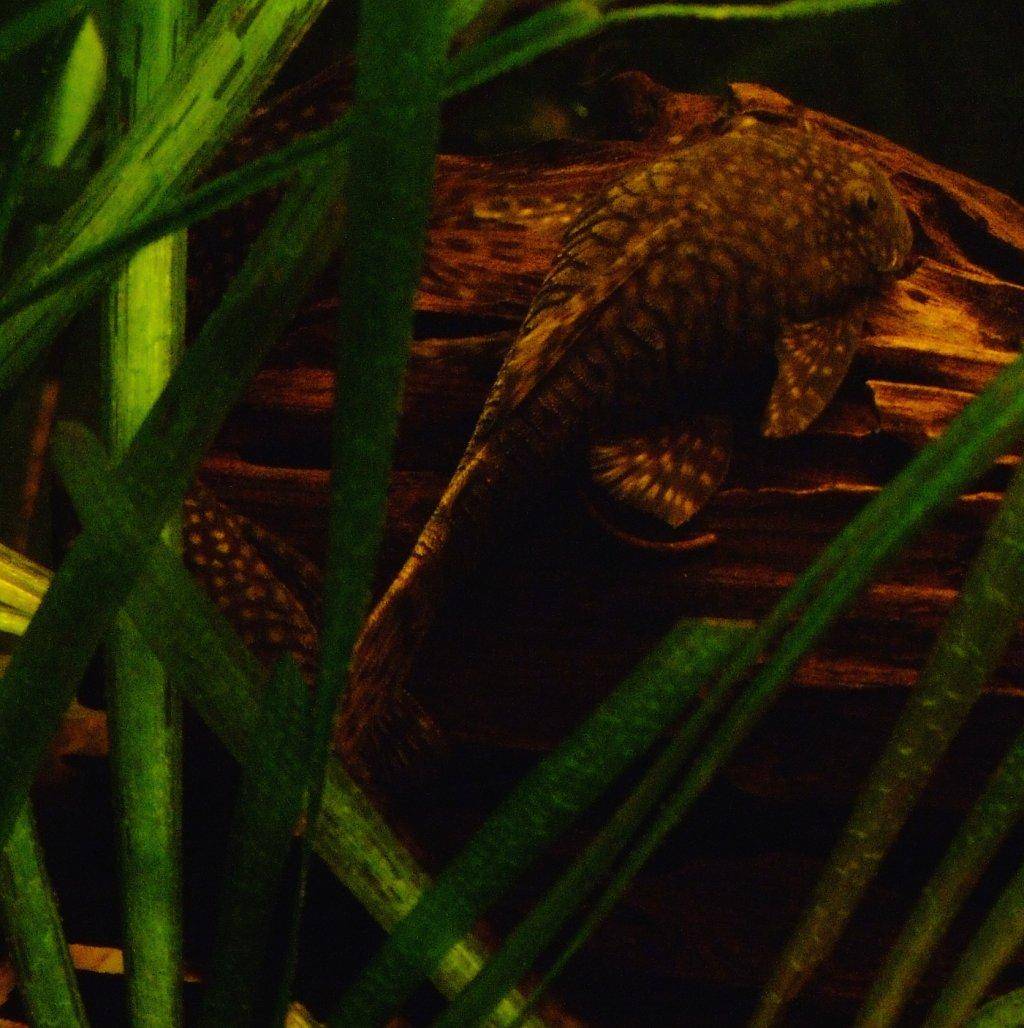
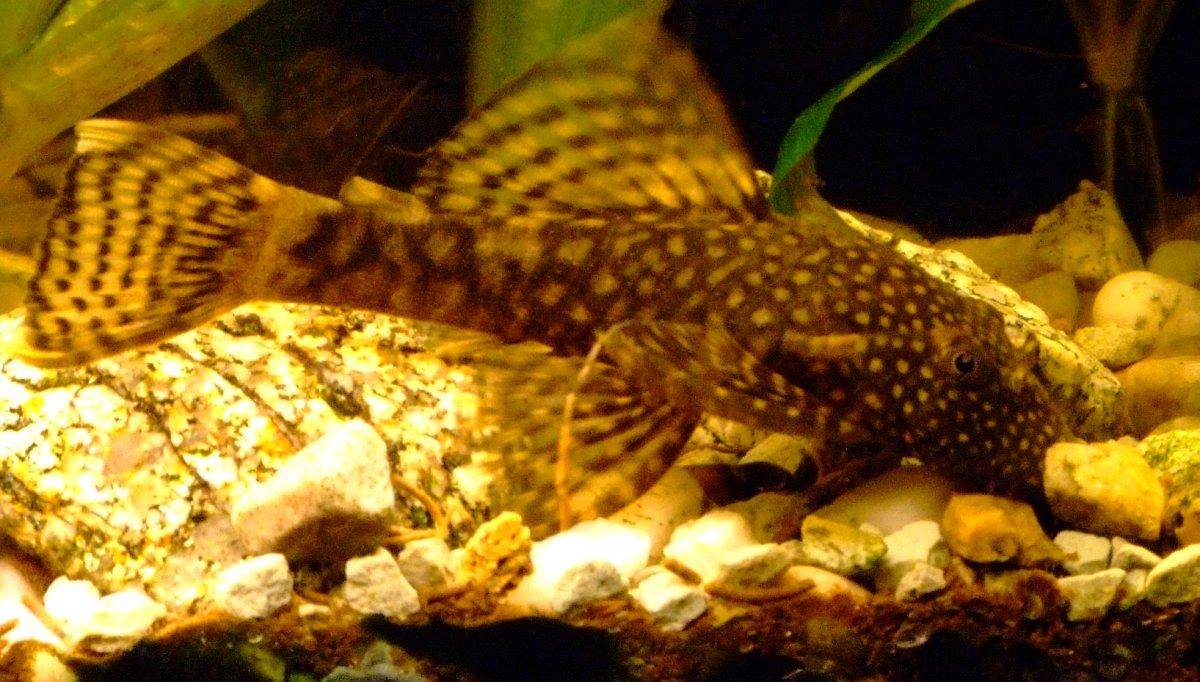
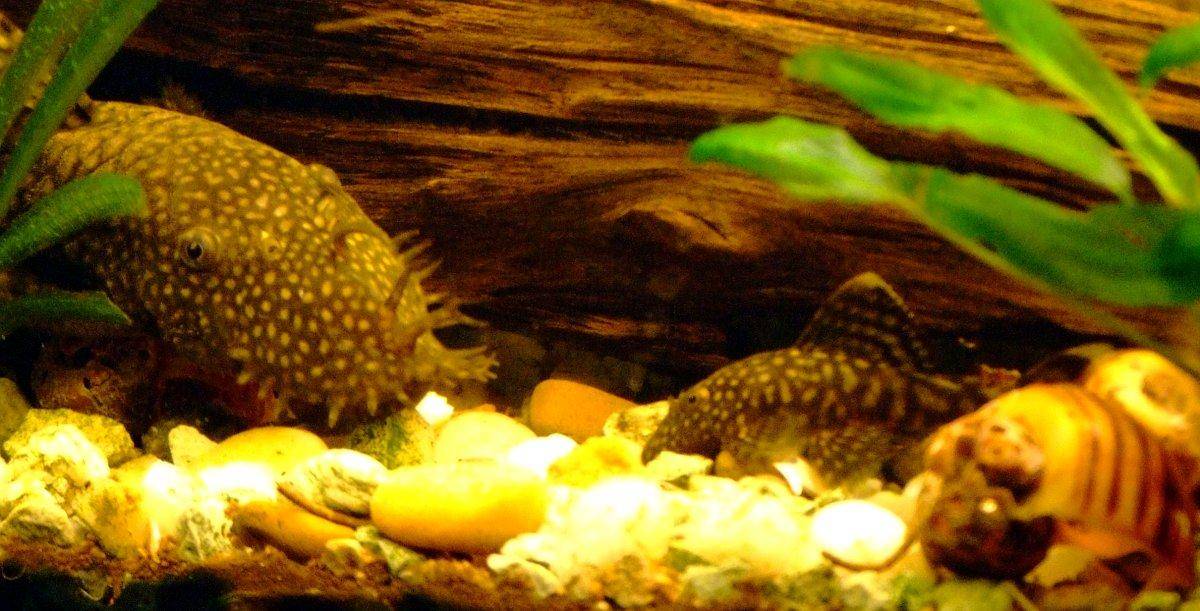
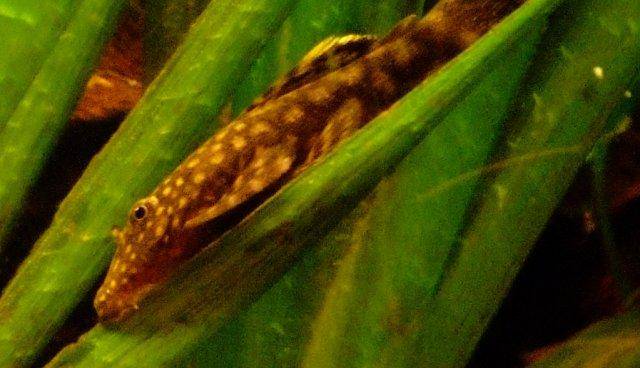
Here below follows the photogallery added on 11/30/2006. You are allowed to use any of the pictures below on your own web site however you must place a link to aqua-fish.net in such a case. Click on any image to enlarge.
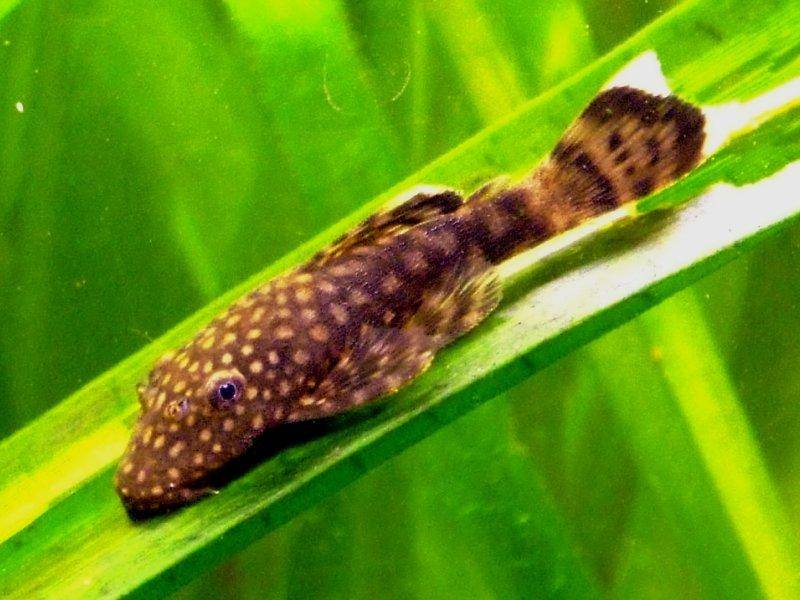
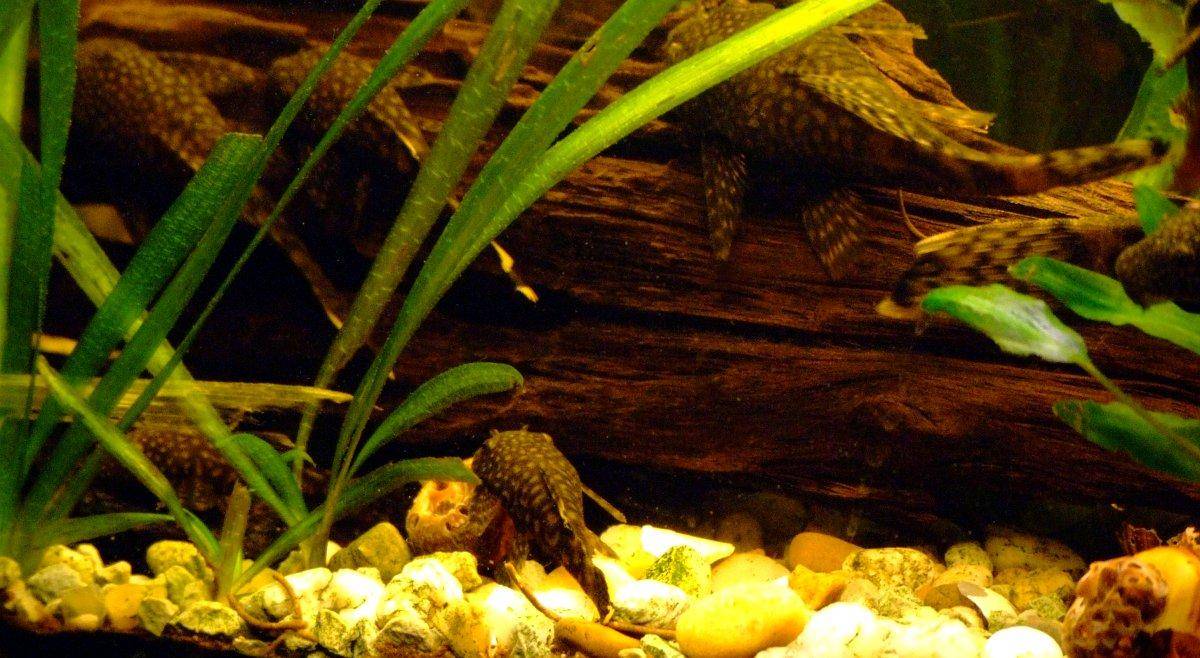
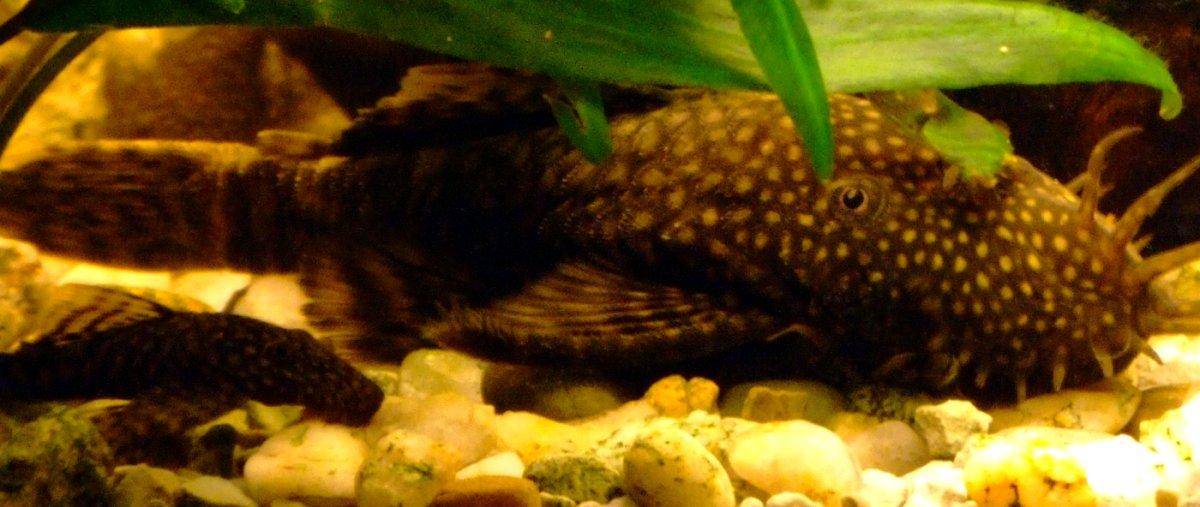
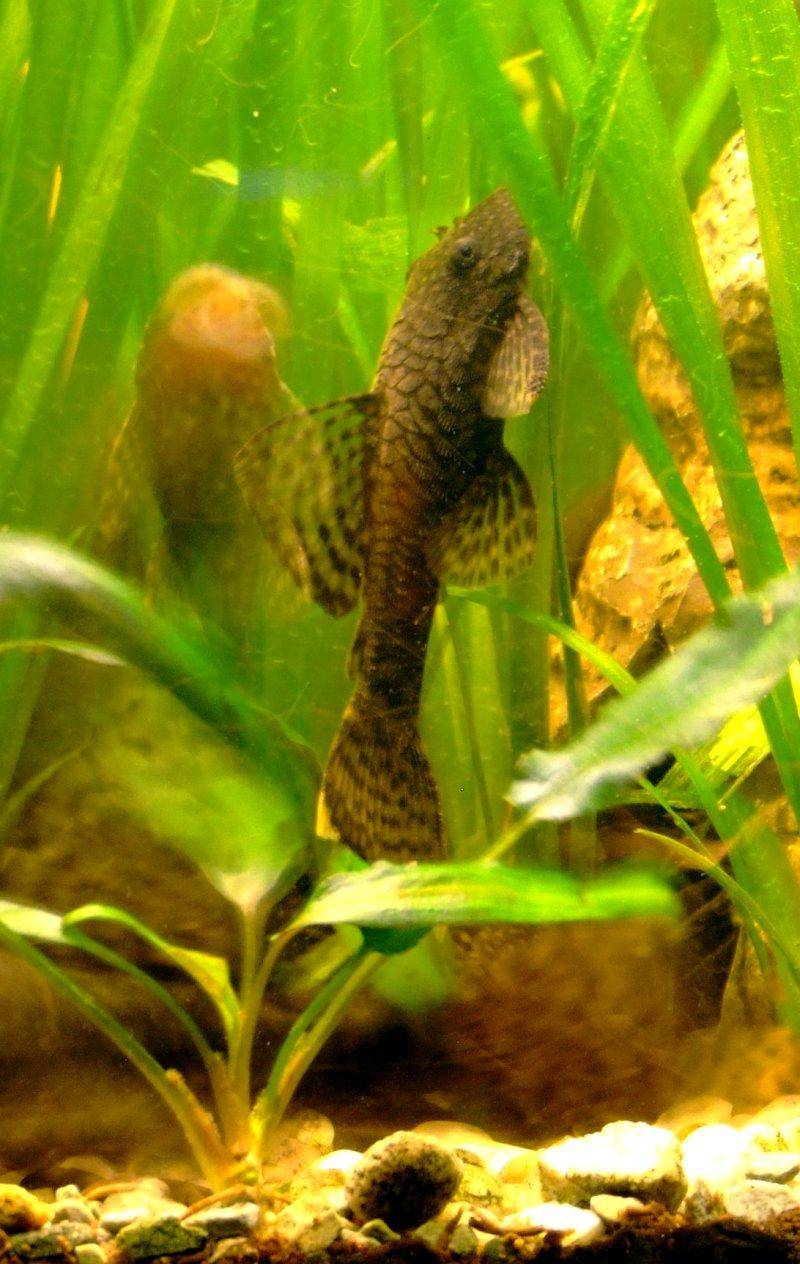
Pictures added on February 22th 2011
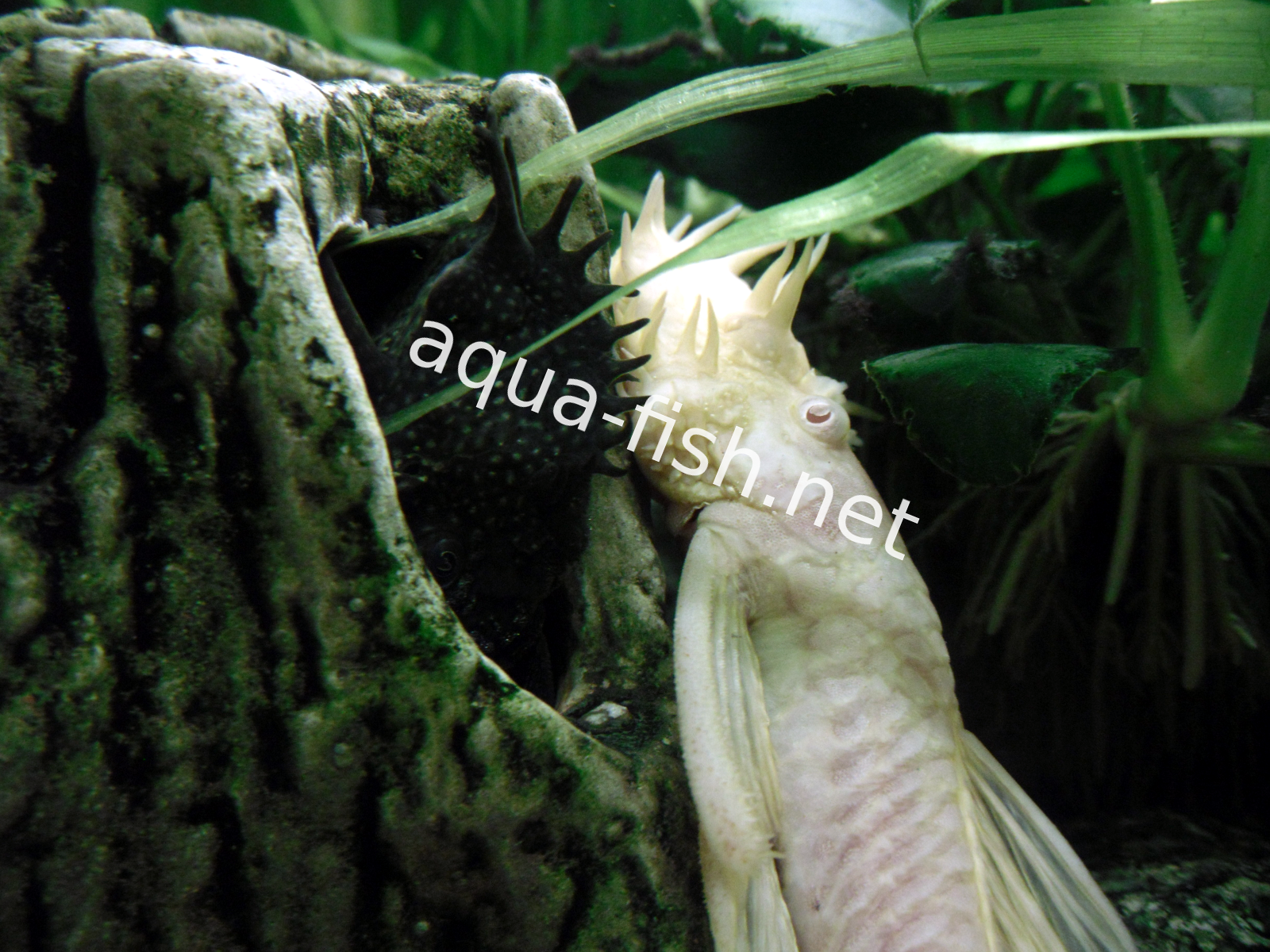
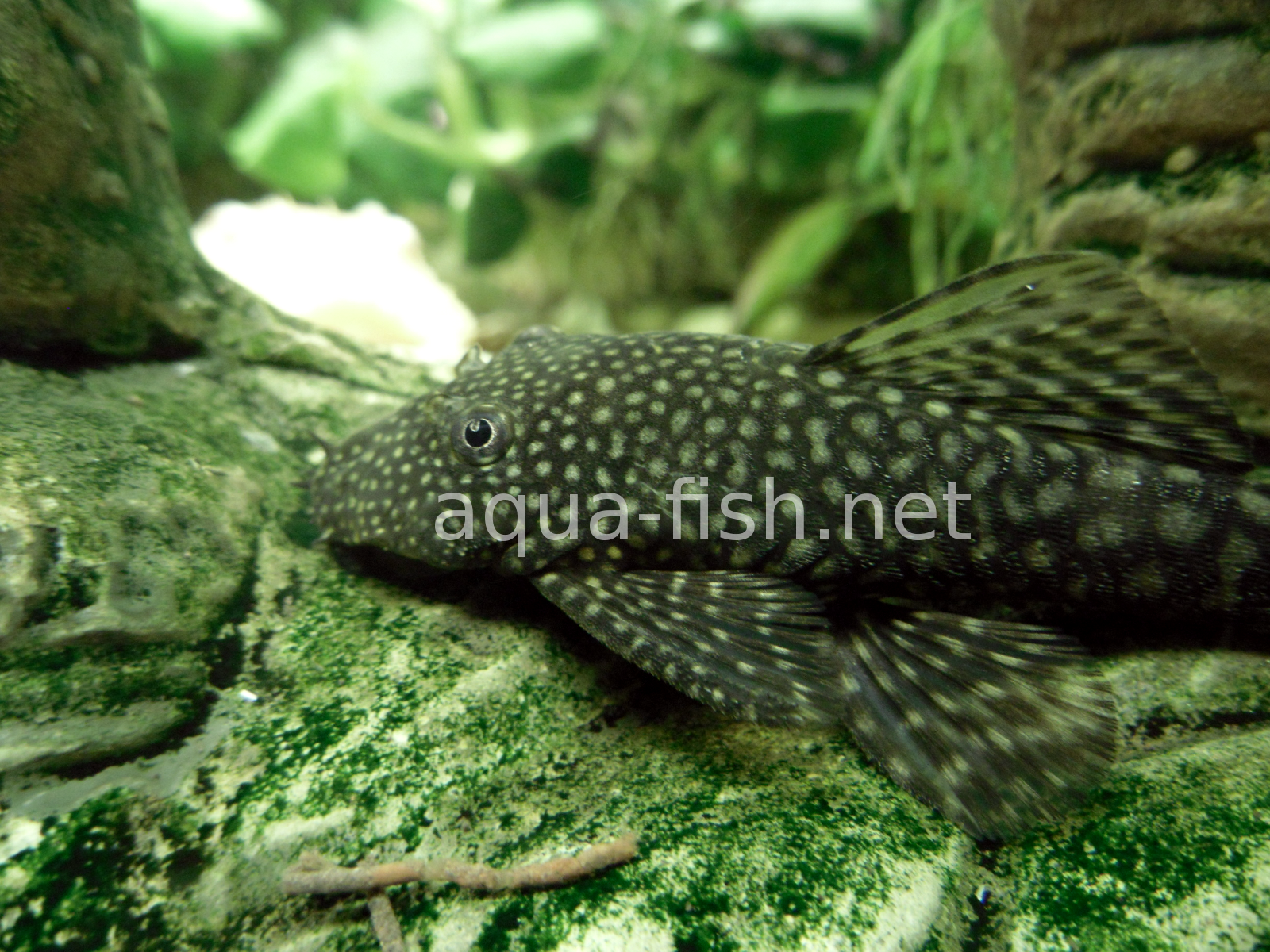

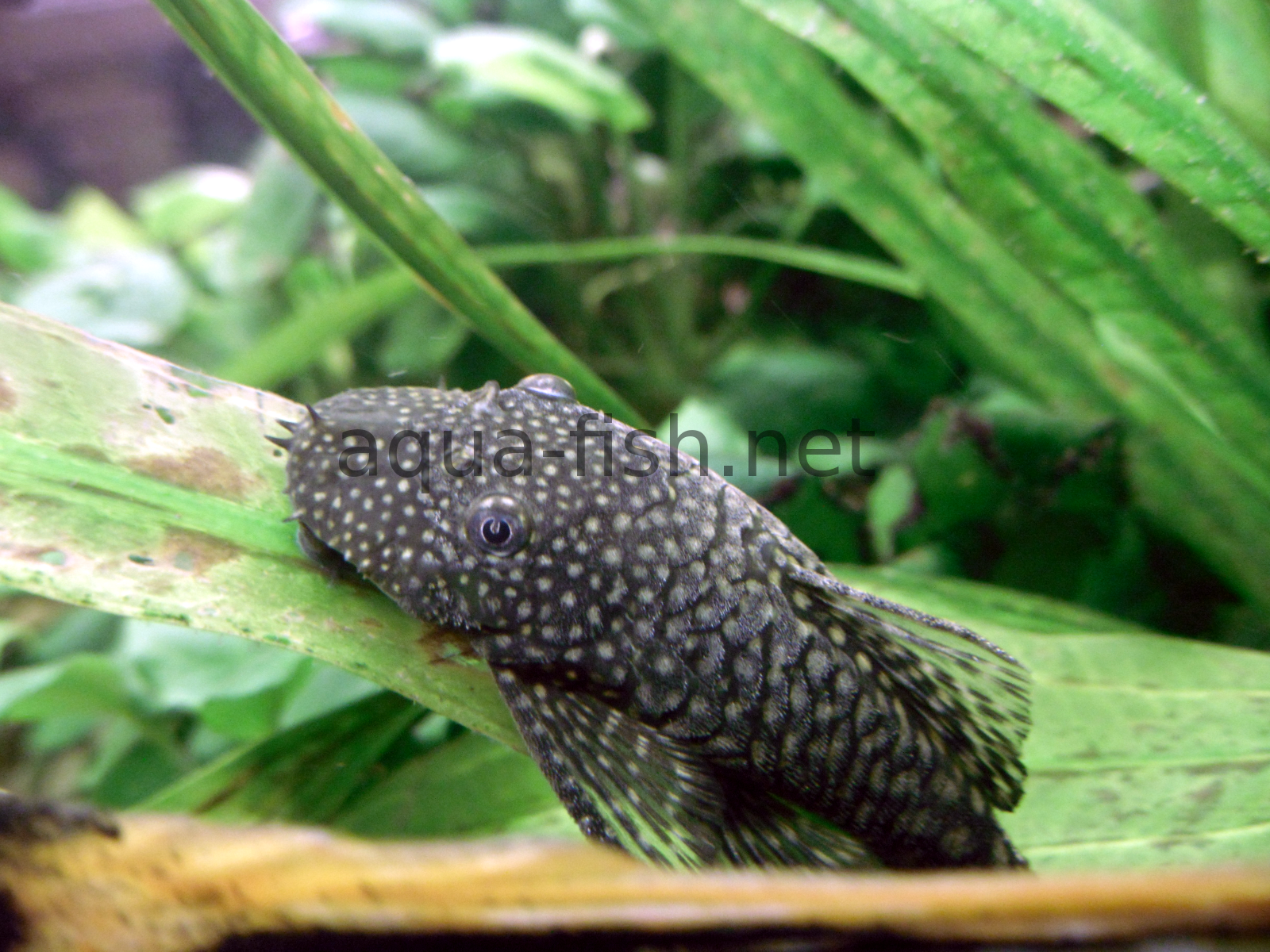
Questions and answers about catfish
On March 20th 2011 we added the following questions and answers here due to merging aqua-fish.net/answers with related articles. Even though the article above is dedicated to Bristlenose catfish, the following questions are about catfish in general; Including corydoras and other types of catfish. You're welcome to post your own questions too; use a form that can be found at the bottom of this page, please. Make sure that your questions are unique and yet unanswered on this page.
Why do my catfish swim towards the top of the tank?
Answer: Many catfish are labyrinth fish. This means that they have some form of primitive lung, a gulp of air is required every now and again.
Why doesn’t my catfish move around the tank?
Answer: Catfish are mostly nocturnal fish and will only become fully active once the tank lights have gone out. During the day they will normally seek out any hiding places that they can find.
Why does my iridescent shark only swim when the lights are out?
Answer: Iridescent sharks belong to the catfish family and as such tend to hide in bright lighting. They become more active after lights out as they are classed as nocturnal swimmers.
What does a catfish look like?
Answer: Each species will have different coloring and features. See these examples: Plecostomus Catfish, Bristlenose Catfish (see pictures above), Shark Catfish.
Which nutrients do catfish need to keep healthy?
Answer: Protein is the most important nutrient required by fish, fatty acids will provide the fish with stamina. Always check the dietary needs of your fish as all fish foods will list their ingredients and nutritional value of them.
How can I get my catfish to spawn?
Answer: Keep several females with one male and add plenty of suitable spawning sites to encourage them. Piping and caves will be ideal. Feed the parents with plenty of live or frozen foods to condition them.
At what size do Bristlenose's breed?
Answer: Usually when they’re at least 10 cm (3.94 inch) long. Non-dominant males can be ready to breed at smaller sizes, so after removing the dominant male it's possible to see an 8 cm (3.15 inch) long specimen trying to spawn with a bigger female.
Where can I buy a bristle nose catfish?
Answer: Your local pet store may carry these, or may be able to bring them in for you.
Video #2 and #3
Feel free to download our video showing two albino Bristlenose's fighting with each other: download the video link (the file is approximately 274.5 MB large). Another video showing feeding Bristlenose catfish: download the video by clicking here (approximately 58 MB)
 A guide on breeding, feeding and caring for L333 Pleco
 An article on raising and breeding Bushy nose pleco with discussion
 Caring for the Pictus Catfish with tips on breeding and forums
 Caring for Plecostomus Catfish with Diet and Breeding
 A guide on keeping Butterfly pleco's in fish tanks
 An article and discussion on keeping Marble pleco
 A guide on raising Otto catfish