Breeding Betta Fish in Fish Tanks
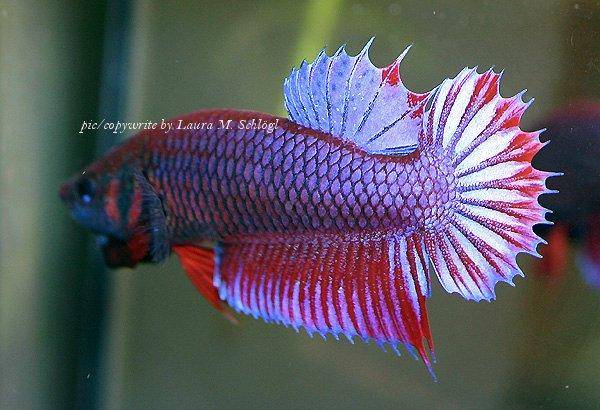
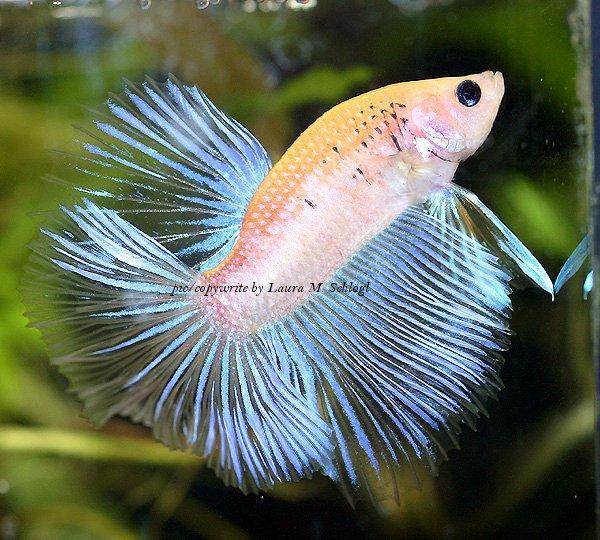
Thanks to Laura M. Schlögl for allowing us to use the pictures!

Quick links - Answers
- Choosing the breeding pair
- Things to have prior to mating
- Preparing the spawning tank
- The nest
- Food for fry
Advice by Mick, keeping fish since 1976

Brief Description
This page is an easy-to-follow guide on breeding Betta fish and raising the fry. There is a forum under the article and we'd love to hear about your Bettas! You should also visit following pages: Siamese fighting fish - Betta splendens profile with HUGE forum and 10 tips for a successful Betta splendens reproduction too!
Introduction
After live bearing fishes, Betta splendens is one of the easiest fish to breed in captivity even for newbies. Following some easy rules you’ll be able to have a successful breeding.
There’s not the best method to breed bettas, most of breeders due to personal experience have found the best ways for them. Spawning is not difficult, and the hardest part is fry growing, at least the first days. Surely the first time you may experience a high mortality due to water pollution depending by overfeeding. Remember, bettas can be bred various times if they’re young so you can have various chances to improve your abilities.
Choosing the breeding pair
First of all you have to choose the two breeders. Both have to be healthy, fins condition tells a lot about bettas’ health, a betta with damaged fins could have fought and now have low energies to mate. Betta have a short life so it’s important to choose young fish, about 5 months old, usually those you may find in shops are of that age, while if you’re getting them by a breeder simply ask information. Age is important specially for females, usually a old female doesn’t produce eggs and or is too weak to bear the male.
Take a look also to the colours of breeders, some varieties are most wanted and you could find easier a new house to the born fish. Multicolour bettas are the most common, and even if some of them are really beautiful they’re not considered to breed. No matter what variety you choose, except for multicolour bettas, the male and the female should be of the same colour.
Even if in mating you need only one female, get some more and make them live with the male for a bit. You’ll be able to notice if he has some preferences on a special one.
Things to have prior to mating
Before breeding you need to get some material you will need during the process. It’s better to test everything before mating, to be sure everything will work when you need.
- A small tank (about 5 gallons ~ 23 litres or 6 US gallons, or bigger). Think fry will stay there for more than a month so always have one or two other tanks, in case of unexpected number of babies.
- Some plants to let female hide during mating and to make the nest more solid. Even if real plants can oxygenate water, often they can’t live without ground substrate, so you risk to have dead plants polluting water; moreover often small tanks don’t have light system. For those reasons, plastic plants are better.
- A water oxygenator. It is better than a filter because can keep the water a bit clean without damaging the fry. Remember to switch it on only when fry can swim and not when they still are in the nest or it risks to destroy the entire bubble nest.
- A water heater set at 80° F (27° C). In case you do not want to buy one, or your is too big for the thank, try mating during hot periods, like summer.
- Live brine shrimps are the first fry food. They are not so difficult to hatch, but you need some materials like other oxygenator, heater and tanks, so it’s better to buy a hatching kit. Usually they don’t cost too much and allow you to have a huge number of newborn brine shrimps ready for fry.
A week before mating start feeding fish twice a day with rich foods. In case you already have adult brine shrimps, you can use them to feed bettas. Otherwise you can use other fresh or frozen foods. In these days you should be able to see the female’s belly growing and ovipositor more pronounced, these are connected with egg production, while the male should be building the bubble nest (often males build nests even if there aren’t females in the aquarium).
Preparing the spawning tank
In the meanwhile you can prepare the spawning tank. There’s no need for special conditioned water, just remember to set the temperature to 80°F (27°C) and to set a shallow water. Avoid any kind of substrate, or ground cleaning will be impossible. Put plants long enough to reach the water surface. Put the oxygenator switched off.
After a week of rich feeding you can take bettas and house them in the spawning tank. Some breeders use to leave some days male and female separated in two aquariums to let them see and study each other without contacts; this can be useful if the male is too aggressive and the female isn’t ready yet.
The nest
During the first day together the male builds the bubble nest, then starts his courtship. This can go on for one or two days, during this period female may receive some bites specially on the fins, usually they are not a problem. If in three days nothing happens take off the female and put in another tank near male’s, and feed them with rich foods again for two or three days. If nothing happens again maybe one of the two is too old or not in a good shape.
Most of time everything goes fine and bettas get into their peculiar embrace, egg fertilization is external, they usually can spawn from 50 to 1000 eggs that hatch after 2-3 days. When spawning finishes the male collects the eggs and put them in the bubble nest. Females have different behaviours they can collect, ignore or eat, anyway you can take her off to be sure and let her rest.
During the first 4-5 days the male takes care of eggs and fry putting them again in the nest in case of fall, and re-building the destroyed parts of nest. In this period the betta male is really overprotective and aggressive so don’t keep other fish neither the female with him. Sometimes also females take care of eggs and fry if the male is weak or not present.
About 3 days after hatching the fry start swimming, so you can remove the male, because he may loose interest and even eat them. If fry are able to swim well this means that they have absorbed the egg sack, so are ready to eat twice a day. and since they no longer need the nest you can switch on the oxygenator.
Food for fry
Betta fry are really small and for the first days feed them is really hard because they eat only live food. Most of them eat easily just hatched brine shrimps, in case you see babies too small or want to try other food also infusoria or vinegar eels are a good starting food.
Some people also try dry or liquid food, but it doesn’t work well for the first days. Betta fry are really shy and don’t go searching food but eat everything that moves in front of their mouths, that’s why live food is better. You can try putting dry food mixed with the water in a small syringe without needle, and spray it directly on the fry. Remember also that even if dry food is easier to prepare, it doesn’t have the same nutrition power of live food so fry will grow slowly and sometimes die.
Fry really suffer water pollution, overfeeding and filter absence can develop it fast. Even if some people suggest not to change water, it’s better to make careful daily water change with a small syringe.
During growing you may notice some fry growing less than other, it’s quite normal some of them will die. Take a look if you see too much fry in the aquarium, divide them in various tanks. Use a cup or a glass to move them with the water, don’t use a net.
When fry are two weeks old you can plan better water changes and add a slow filter at the place of the oxygenator. For the first month is better feeding bettas with live food, then you can add also frozen and dry foods, anyway remember that the more the food is rich the more bettas grow fast.
At 40-50 days old you can decide to move them into bigger aquariums, in this period you could see the first fights of males, those aren’t real fights yet, just a training like a lot of young animals do. In case you see a stronger fish that hurts other is better to put it in another aquarium; if it can eat easily you can house it in a community tank as well. At this time you can also decide to sell or give them away.
Copyright note: This article is originally written by Michela Ferretti. Aqua-fish.net owns the full copyright of this article.
 10 tips for a successful reproduction of Betta Splendens
 Keeping and breeding the Bettas fish in aquariums
 Reasons why not to purchase a small bowl for Betta fish
 The most common diseases of Betta splendens
 Facts and care of Paradise Fish with forums
 How to care for Betta Fish with Forum
 An article that explains caring for Paradise fish
 A guide on caring for Badis badis in fish tanks
 How to care for Siamese fighting fish, images and discussion