Aquarium Substrate - Suppliers, Calculator, FAQ, Tips & Forum
Quick links - Answers
Advice by Jan, keeping fish since 1995

Brief Description
This page offers information about types of aquarium gravel, calculator for calculating amount of substrate, FAQ and links to online suppliers. You're also welcome to share your experiences with us - a form that is available at the bottom of this page should be used for sharing knowledge and asking questions! If you'd like to purchase aquarium gravel simply follow this link and you'll be taken to the place with links to merchants. In addition you should also visit the following pages as they're related to substrates for fish tanks: Aquarium sand with forum, Aquarium rocks with FAQ and forum and Types of aquarium gravel with pictures and discussion!
Introduction
When you think of aquariums, the first things that probably pop into your mind are beautiful fish, green submersed plants, and the little plastic diver guy that finds himself stranded in many fish tanks. Then of course there are the bubbles which permeate the water with their gentle flow upward through the seascape.
Little or no attention is given to the bottom substrate whether it is sand, gravel, soil or clay but it is a vital part of the miniature underwater system especially for planted tanks the heater and filters are always checked, some keepers will even add a substrate full of fertilizer for planted tanks. Unbeknown to most people, the layer of gravel and materials (aka substrate) which lies quietly at the bottom of the aquarium plays a vital role in the tank set up and maintaining a healthy environment for the fish and for plants which live there. Getting the correct depth will also ensure that the substrate works as efficiently as possible, bit how do we know how much we need. There is a simple calculator for this purpose. (under sponsored links)
Substrate calculator
- Tank length X tank width X desired depth of substrate/ substrate volume
- Substrate volumes are worked out in the following manner:
- Fine substrate (sand, soil, fertilizer substrate, clay) 600 cubed cm =1 kg
- Medium substrate (gravel) 1000 cubed cm = 1 kg
So when you first set up your tank, this equation will allow you to purchase the correct amount of substrate.
Aquarium substrate serves several purposes. In its most known role, it serves as a decorative touch for the pleasure of those who view the aquarium. It gives the aquarium a finished look, and can be quite colourful or natural toned. However, one of the most important roles is that it keeps the fish healthy and is also good for plants. Aquarium substrate allows the fish to be oriented in the water, knowing top and bottom. Fish can become irritated by a clear bottomed aquarium, because of reflections and increased light sources. It is not always vital which substrate you choose sand, soil, clay, or a substrate containing fertilizer, mostly the substrate is chosen for looks except in the case of a set up for planted tanks, as the fertilizer is required for plants to develop.
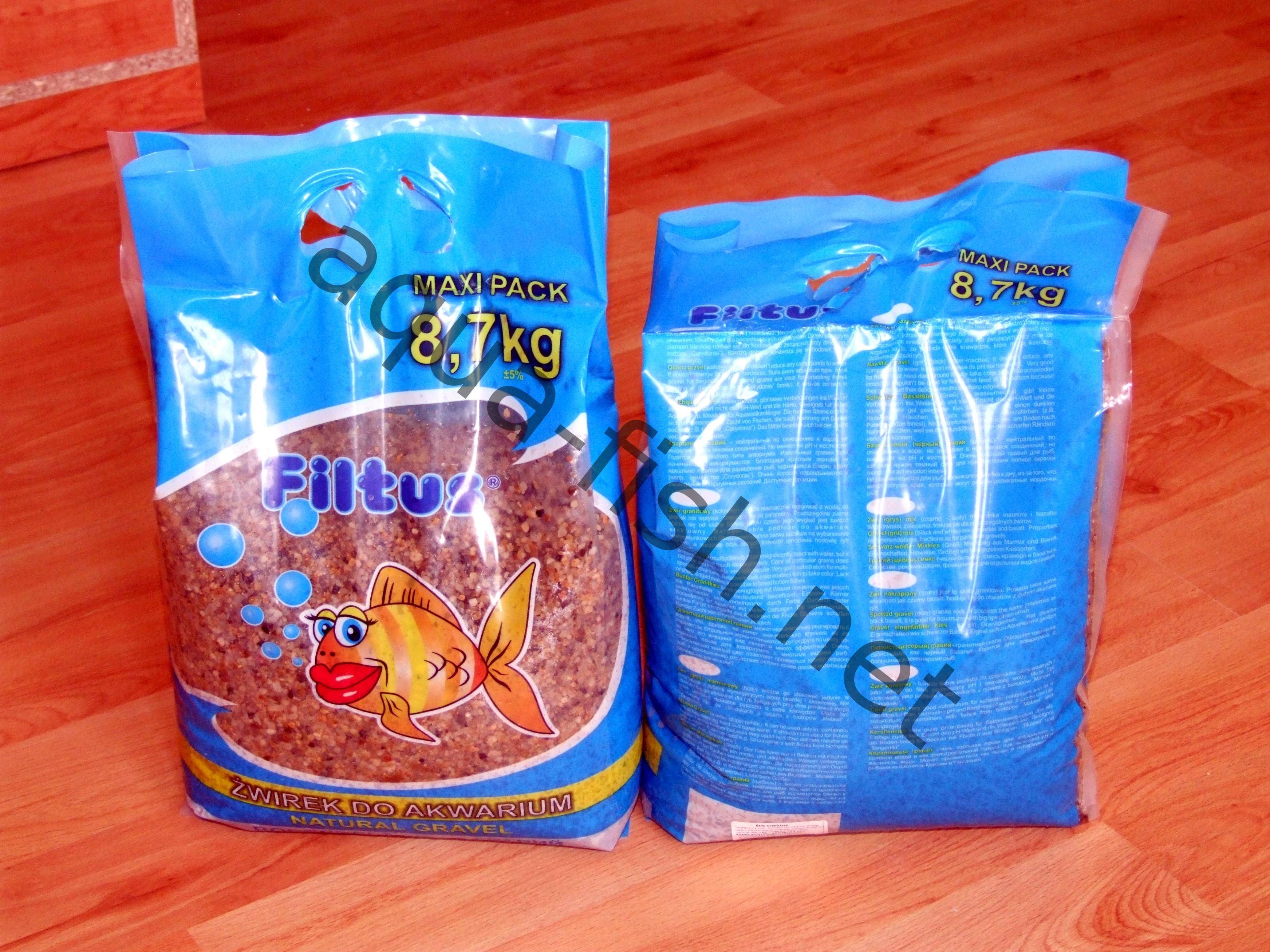
This is the first layer of the substrate:
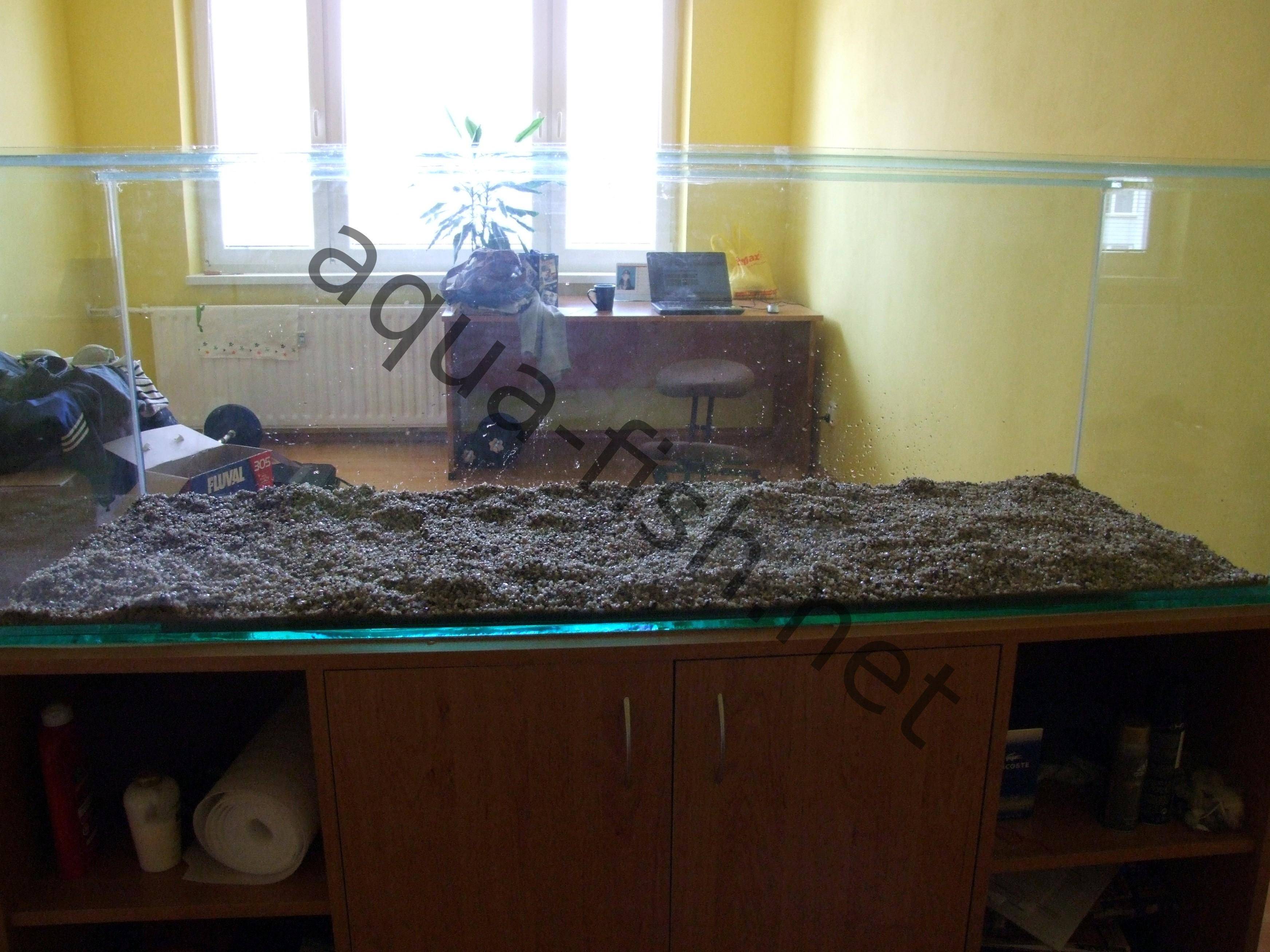
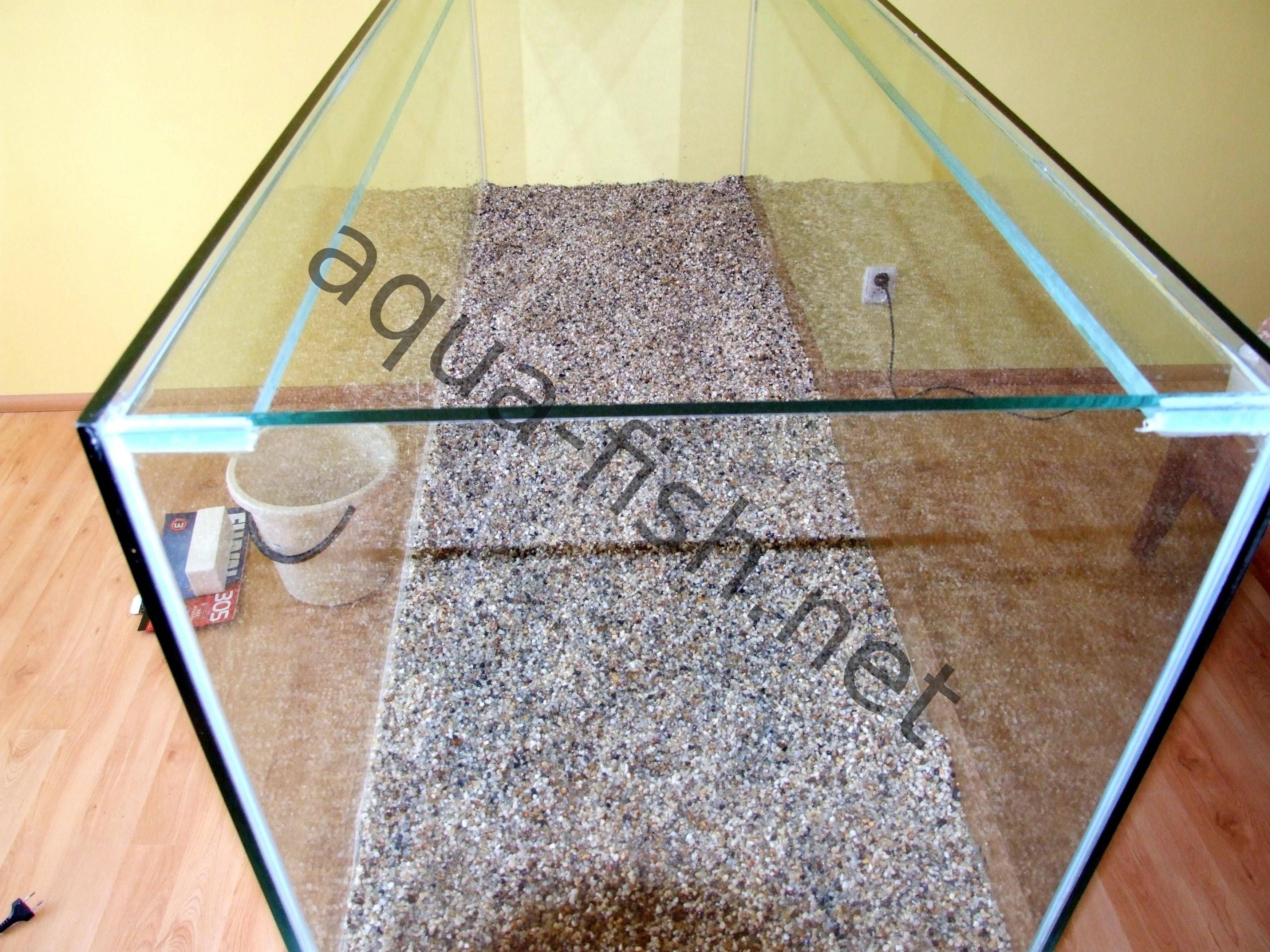
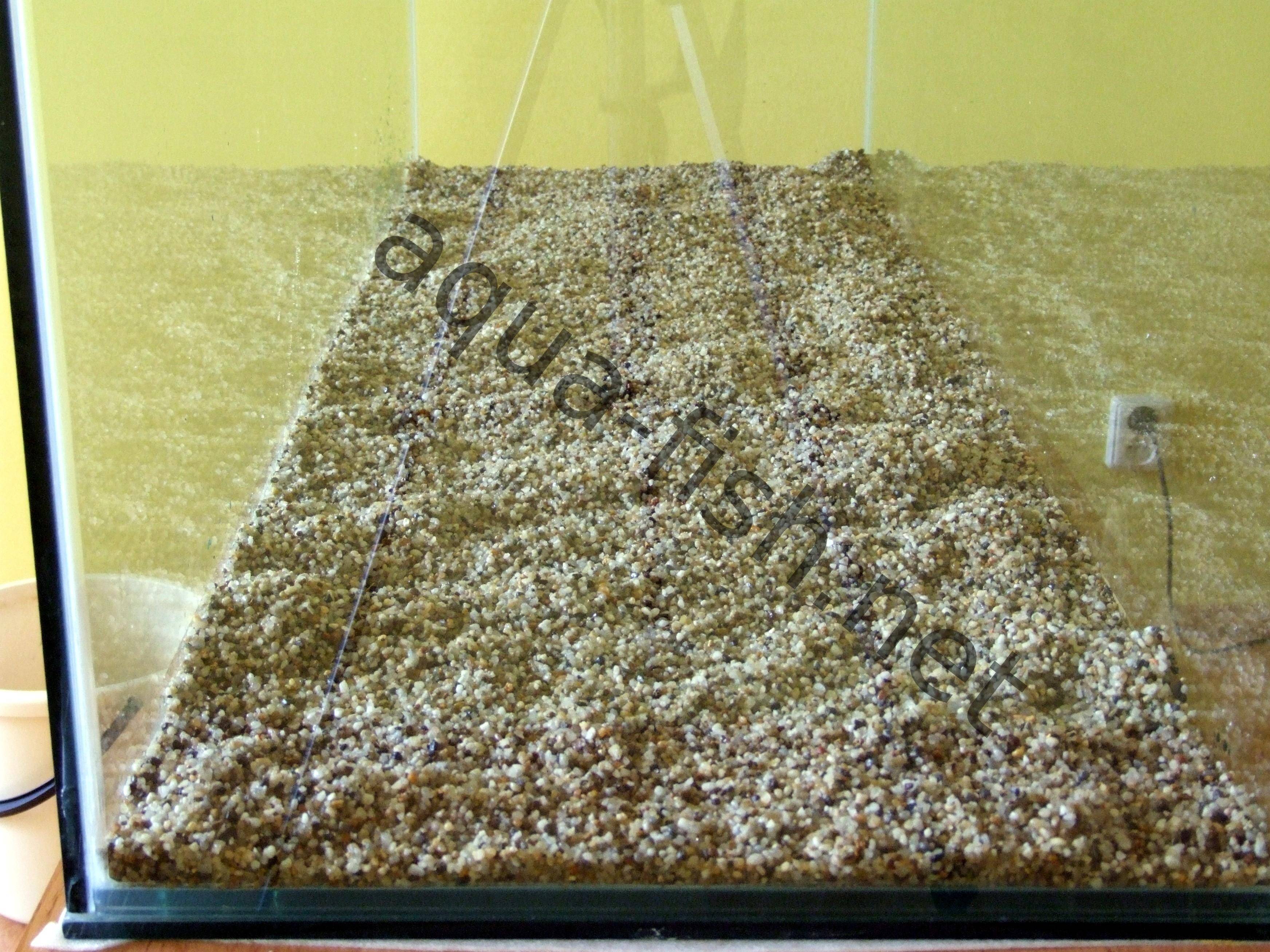
A key role for aquarium substrate is that it provides a haven for the beneficial bacteria aided by the addition of the tank heater which help to make up a healthy environment for your fish. The heater will speed up the growth of the bacterial colonies. The type of substrate you should use varies with the type of aquarium that you have as some substrates are not always good for plants.
Some aquariums are meant for fish only, and in these instances the aquarium substrate should be no more than two inches (5.08 cm) deep. The substrate may be of any size unless you have fish that are bottom feeders, where you should consider using finer gravel. Using the calculator supplied above will ensure that you will finish with the correct depth.
Care must be taken when it comes to the depth of substrate, especially when using the finer grade of substrate. Deeper substrate does not get oxygenated very well, and it is there where old food particles will rot and produce a toxic substance known as hydrogen sulfite. When the aquarium substrate is too thick, or becomes compacted, it can breed bacteria which generate this gas.
This gas is normally produced at such a slow rate that it doesn’t have much if any effect on the fish, and the owner is none the wiser. It’s after a period of time has elapsed and the hydrogen sulfite has had time to build up that it poses its greatest threat. If after the build up the aquarium substrate is disturbed by adding or moving objects, it will then be released and prove to be deadly to the fish.
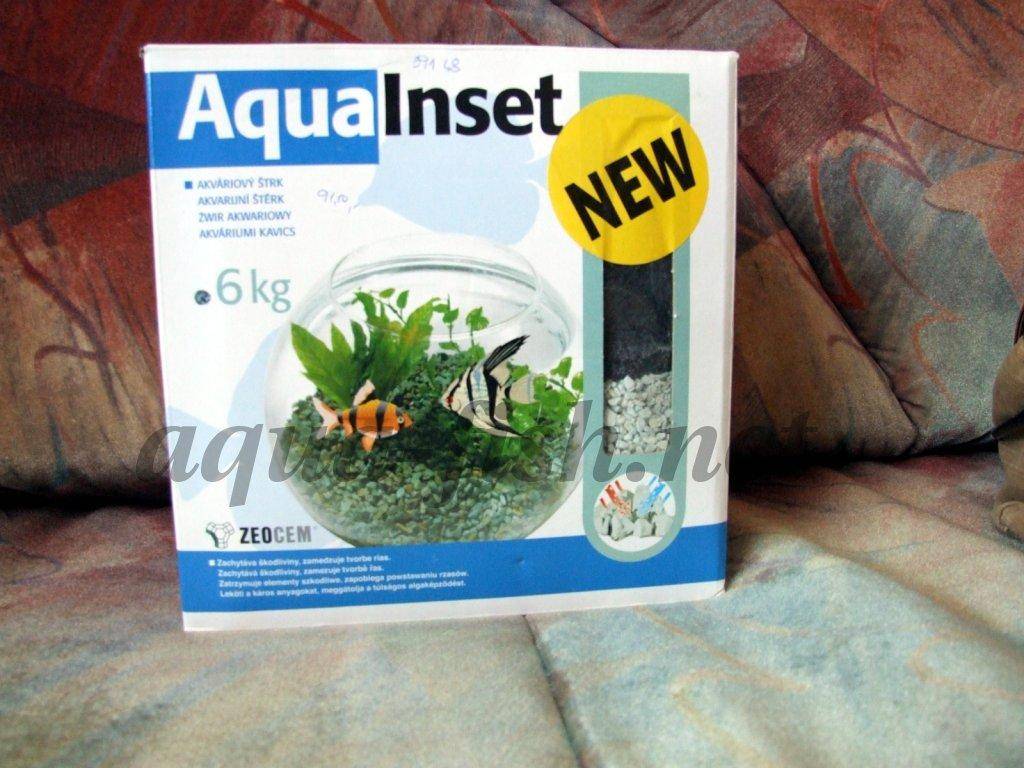
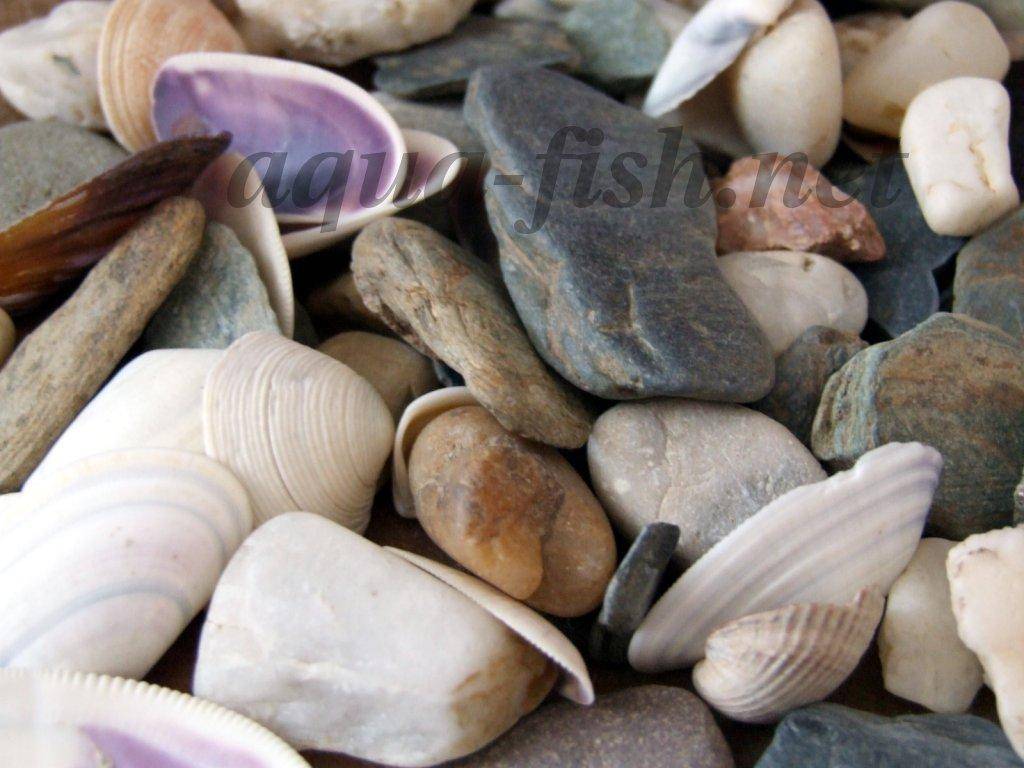
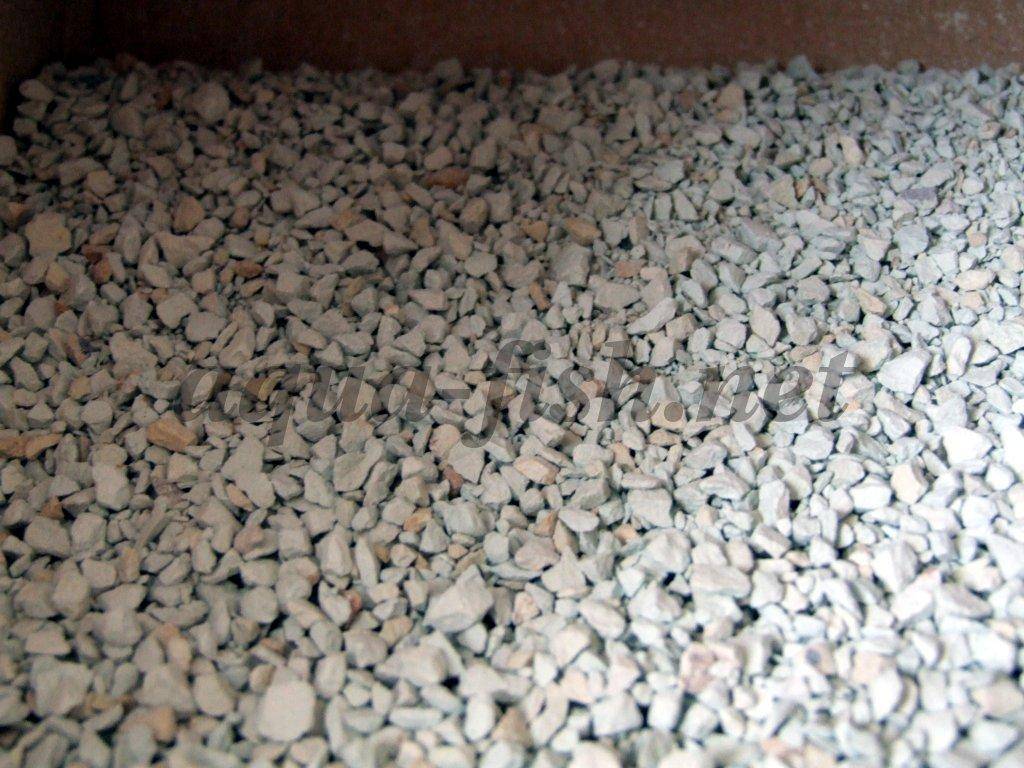
One of the best preventative measures to guard against this is to gently mix the aquarium substrate on a regular basis, thereby releasing the gas before it builds to deadly proportions. Aquarium owners can also use nature itself to fight the problem by placing Trumpet Snails into the tank. These little helpers will burrow through the aquarium substrate, creating a situation where the gas is vented on a regular basis. This also gives the substrate better aeration, preventing build up.
If you’re planning on having a planted aquarium then the substrate is second in importance only to light. Having the correct aquarium substrate is crucial for proper plant growth, and overall plant health. The substrate used in a planted tank must have the properties of storing and providing nutrients to the roots of growing plants.
If you’re putting together a planted aquarium, count on creating the substrate in two individual layers. The bottom layer should consist of a substrate which is nutrient enriched for beautiful and hardy plant life. Vermiculite is an example of a good bottom layer for your planted tank. It has properties which allow it to slowly release nutrients over time, making it ideal for this purpose. This lower layer should be high enough to cover the roots of the plants, up to two inches (5.08 cm).
As for the top layer, you can use regular gravel or even sand will do nicely, and it should be one and a half to two inches in height.
There are certain types of materials which are not recommended for use as aquarium substrate. One of the first substrates that owners may think of is the highly colourful painted gravel. This type of substrate should be avoided because of the paints used may flake off and prove to be an irritant to your fish.
The really pretty glass pebbles should also not be one of your top choices either, because of the negative effect that the light has on the fish. The light reflecting through the glass may disorient and prove to irritate your fish.
So what is best for your aquarium substrate?
If you’re going for a fish only aquarium, then you can use common aquarium gravel. It has no negative effects on either the water or the fish. It can also be used as the top layer in a planted aquarium.
Sand also makes a great aquarium substrate. You can use either the play sand which is used in a child’s sandbox, or sandblasting sand. Sand is a natural substrate, so any inhabitants of your tank will feel right at home along the bottom of the tank.
Other pages devoted to aquarium substrate including shops
If you want to purchase substrate for your fish tank, visit Aquarium Gravel @ AnimalWorldNetwork.Com, Gravel & Substrates @ AquariumSupplies.CA, Aquarium Fish Tank Gravel @ StrictlyPetSupplies.Com, or feel free to visit the following pages, they contain information about usage of gravel in home fish tanks; Aquarium Plant Substrates @ Animal-World.Com, Aquarium gravel @ AquariumOwner.Com. If any of the mentioned links doesn't work, contact us, please. You're also welcome to share your experiences with gravel, sand, or basically any type of substrate here; Fill the form at the bottom of this page.
Additional answers
We've updated this page on March 18th 2011 by adding questions and answers that were published at aqua-fish.net/answers previously. You're welcome to ask questions too, simply use a form at the bottom of this page. In such a case ensure that your question isn't answered on this page already, please.
-
Why do fish tanks need gravel?
Answer: The quick answer is that if the tank does not contain plants then they don’t. Plants need gravel to attach their roots to but the fish are just as happy with no substrate or sand.
-
How do I replace the gravel when cleaning the aquarium?
Answer: Replacing the original gravel is not a good idea. It will be host to millions of beneficial bacteria that will be lost once out of the tank, it is better to clean the original gravel with gravel cleaner. If you still want to replace the gravel for other reason than cleaning, then you should temporarily move your fish to secondary tank (quarantine tank for example) and then perform the change; Don't forget to use some product that reduces stress in fish!
-
What does a under gravel filter do?
Answer: This type of filter does the same job as a typical filter but they take up less space outside the tank. This article: link contains information about aquarium filter systems. Feel free to read it.
-
What gravel should I use in my aquarium?
Answer: The type and size gravel that you choose for your aquarium will depend on what fish or creatures you plan to keep in your tank. Some fish require certain substrate to induce breeding, or some fish will eat the substrate if it is small enough which can cause health and swimming issues with your fish.
-
What kind of gravel can be used for aquariums?
Answer: The gravel that you use needs to be inert so that it doesn’t alter the water parameters in your tank, sharp edged gravel should be avoided as it can cause injuries to your fish. Dark gravels are more suitable for timid fish.
-
Which aquarium substrate should I use?
Answer: Most fish keepers either use sand or gravel for their aquariums, some tanks are also bare bottom with no substrate. If keeping Corydoras or sensitive catfish, sand is a better option as gravel can damage their barbels.
Suppliers
If any of the below-shown links doesn't work, let us know at the bottom of this page, please! All links from the list will open in new window/tab.
 Advantages of using sand in fish tanks with forum and instructions
 Daily, weekly and monthly tasks of a fish tank maintenance
 The purpose of foam pads in aquarium filtration
 A guide on aquarium ultraviolet sterilizers with discussions
 Types of CO2 systems for fish tanks with discussions
 What is a biological cycle in an aquarium
 The nitrogen cycle in an aquarium
 How to deal with cloudy water in aquariums
 The principle of CO2 aquarium systems
 Pros and cons of reverse osmosis in aquariums