Benefits of adding rocks to aquariums along with pictures & links to online suppliers of aquarium rocks
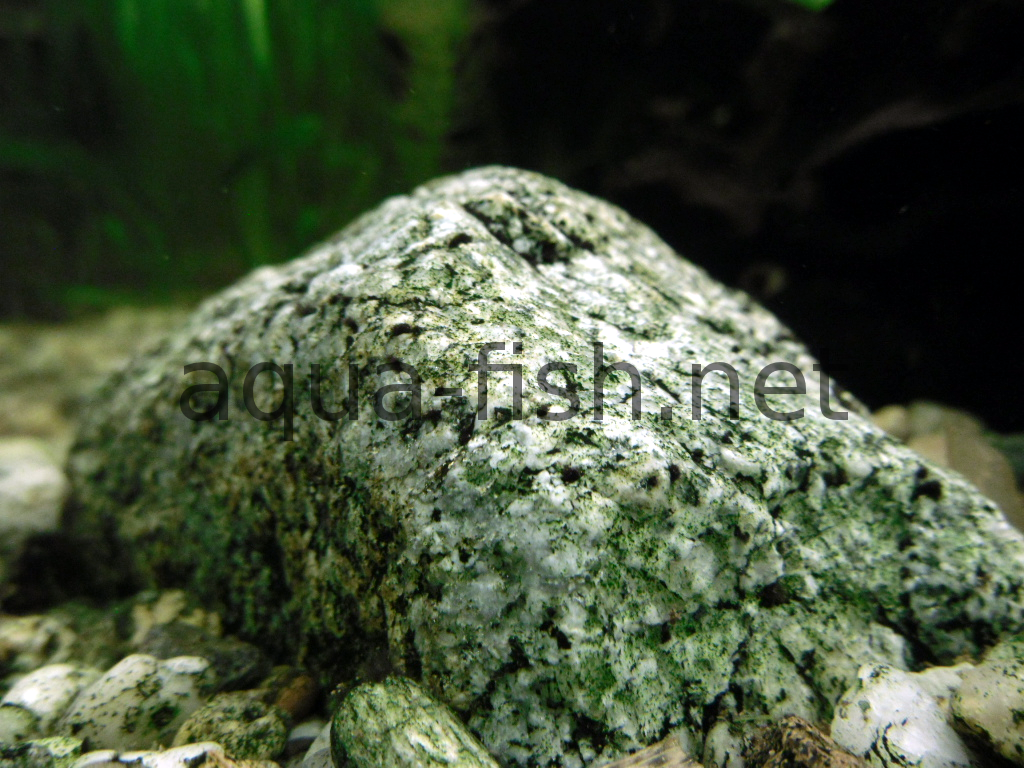
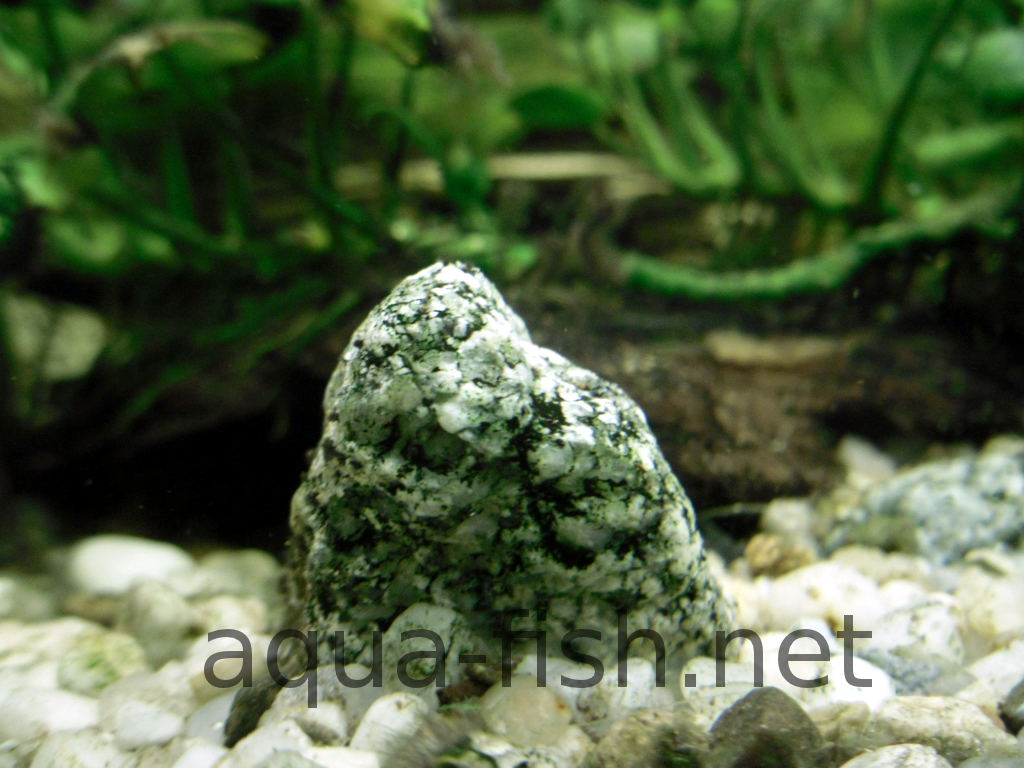
Quick links - Answers
- Coloured gravel
- Natural gravel
- River stones
- Synthetic rock cave
- Questions and answers
- Online suppliers
Advice by Jan, keeping fish since 1995

Brief Description
This article answers questions about rocks in aquariums and offers tips on decorating your tank with rocks. There is a form at the bottom of this page and we'd love to hear about rocks in your aquarium - Types, what species of fish you raise and if there's anything you'd like to ask, we'll gladly answer. There is also another page that you should visit: Varieties of River Rocks. If you'd like to purchase aquarium rocks online, simply follow this link, you'll be taken to a list of online suppliers.
Introduction to aquarium rocks
Aquarium rocks serve as both decorative features and functional elements, offering shelter and breeding spots for fish. They provide caves, surfaces for spawning, and grazing areas for algae-eating species. Rocks vary in size, shape, and composition, so it's crucial to select them carefully to ensure the safety of your fish.
Aquarium-safe rocks are those that remain intact without crumbling, eroding, or releasing harmful substances into the water. Examples include slate, granite, and quartz, which pose no threat to aquarium inhabitants. Conversely, rocks like lava rock and marble should be avoided. Lava rock has sharp edges that can harm fish, while marble alters water chemistry, making it unsuitable for most fish species. Regular water testing is essential to ensure the safety of rocks used in the aquarium. Don't solely rely on store-bought claims of safety; instead, soak the rock in water for several weeks and conduct tests to confirm its suitability for aquarium use.
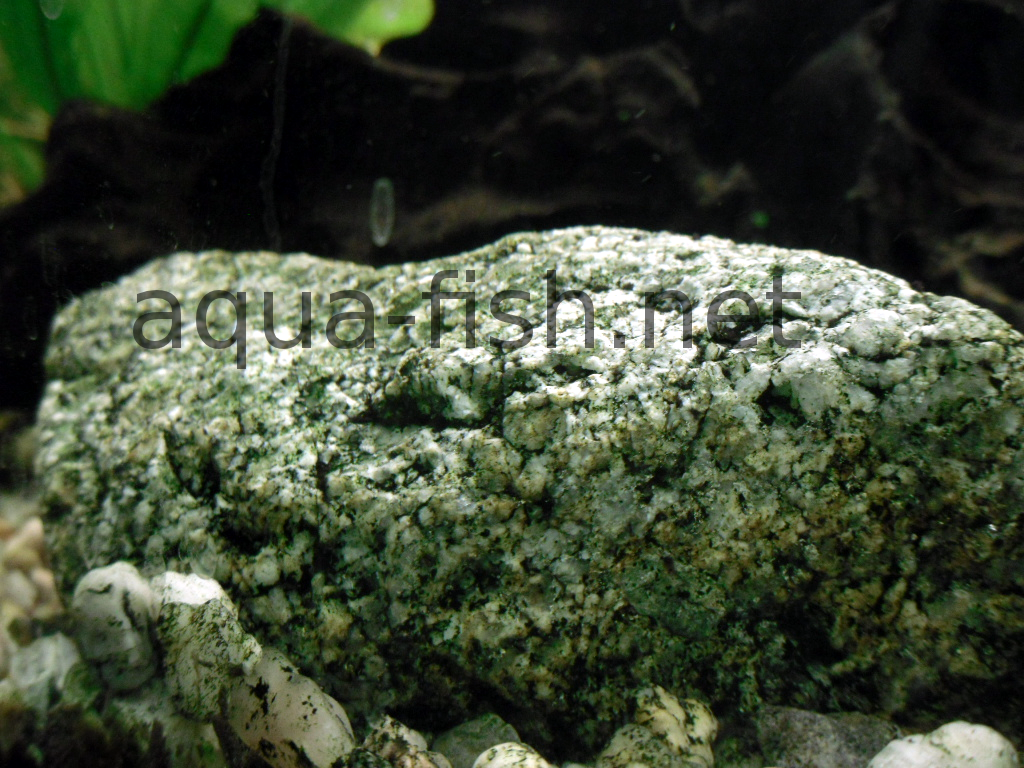
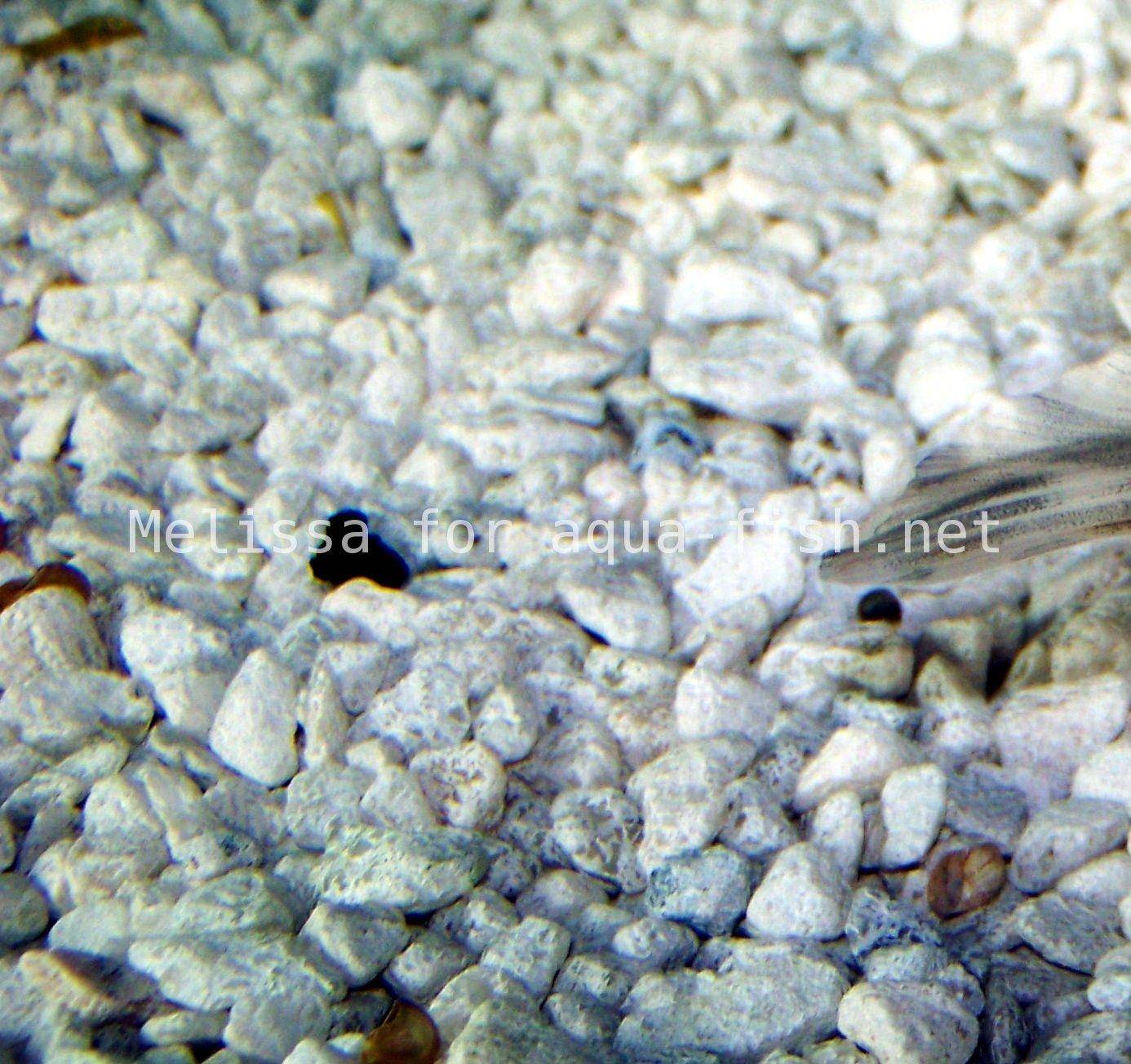
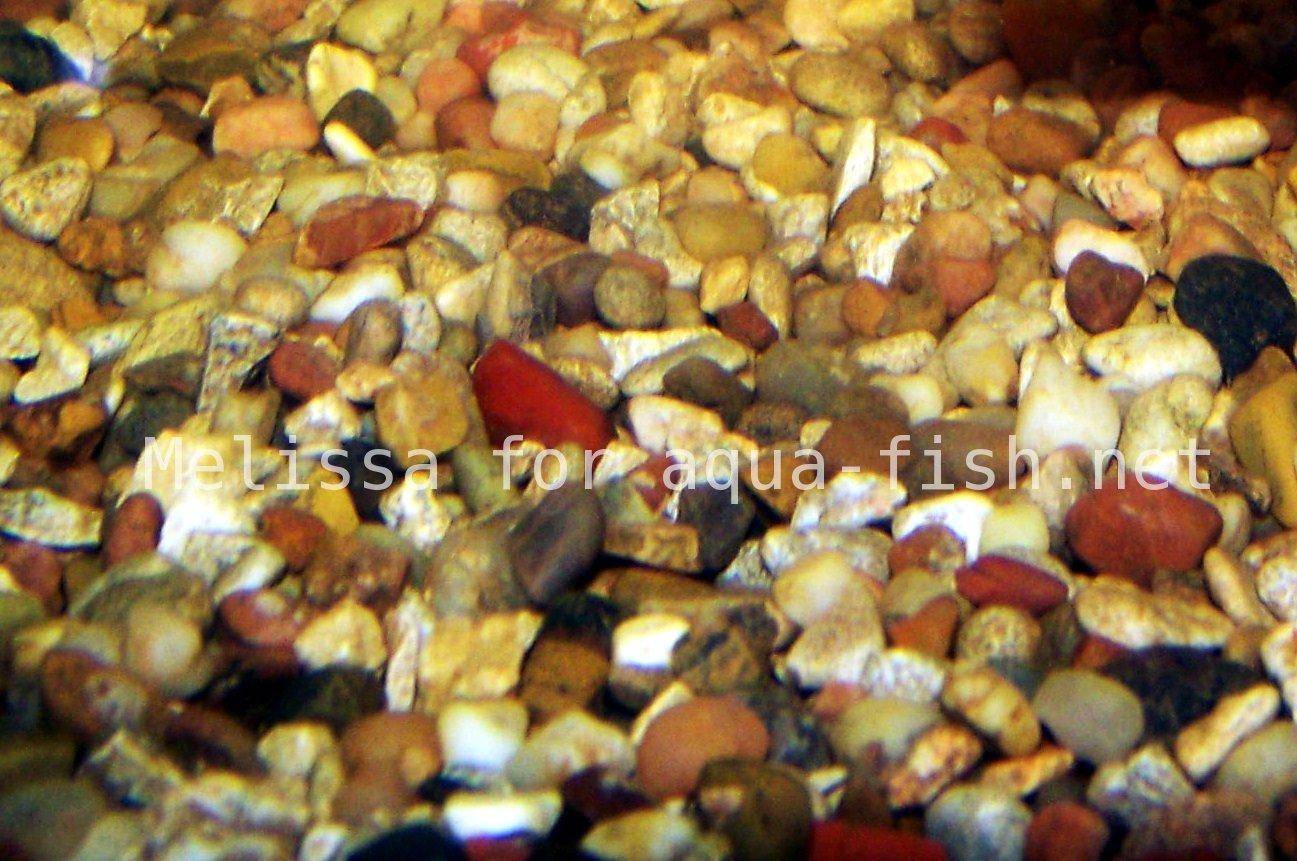
Rocks serve various purposes in aquariums, blending aesthetics with practicality for fish care. Aquarium gravel, composed of tiny rocks, lines the tank bottom to prevent fish disorientation caused by reflections. This substrate also anchors plants and hosts essential nitrifying bacteria. Algae-eating fish benefit from the increased algae growth on gravel surfaces, while fry use it as shelter from predators. Available in different colors, sizes, and textures, aquarium gravel complements tank décor, forming the foundation for underwater landscapes. While gravel can be sourced from the wild, caution is advised. Alternatively, it's widely available in stores selling aquarium supplies. Larger stones can substitute gravel, but sand should first be laid to protect the tank bottom from scratches or cracks.
Coloured Gravel

Natural Gravel
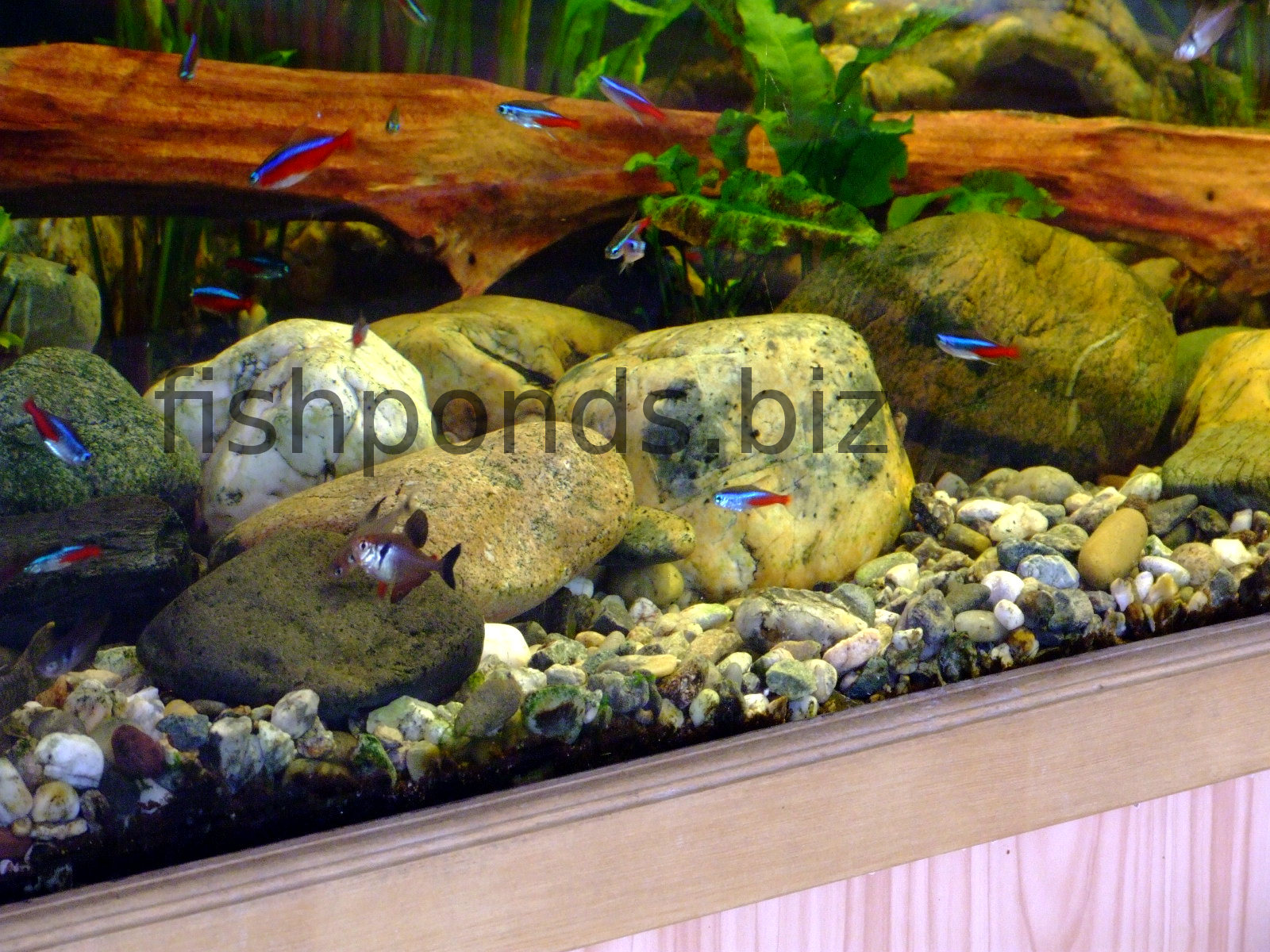
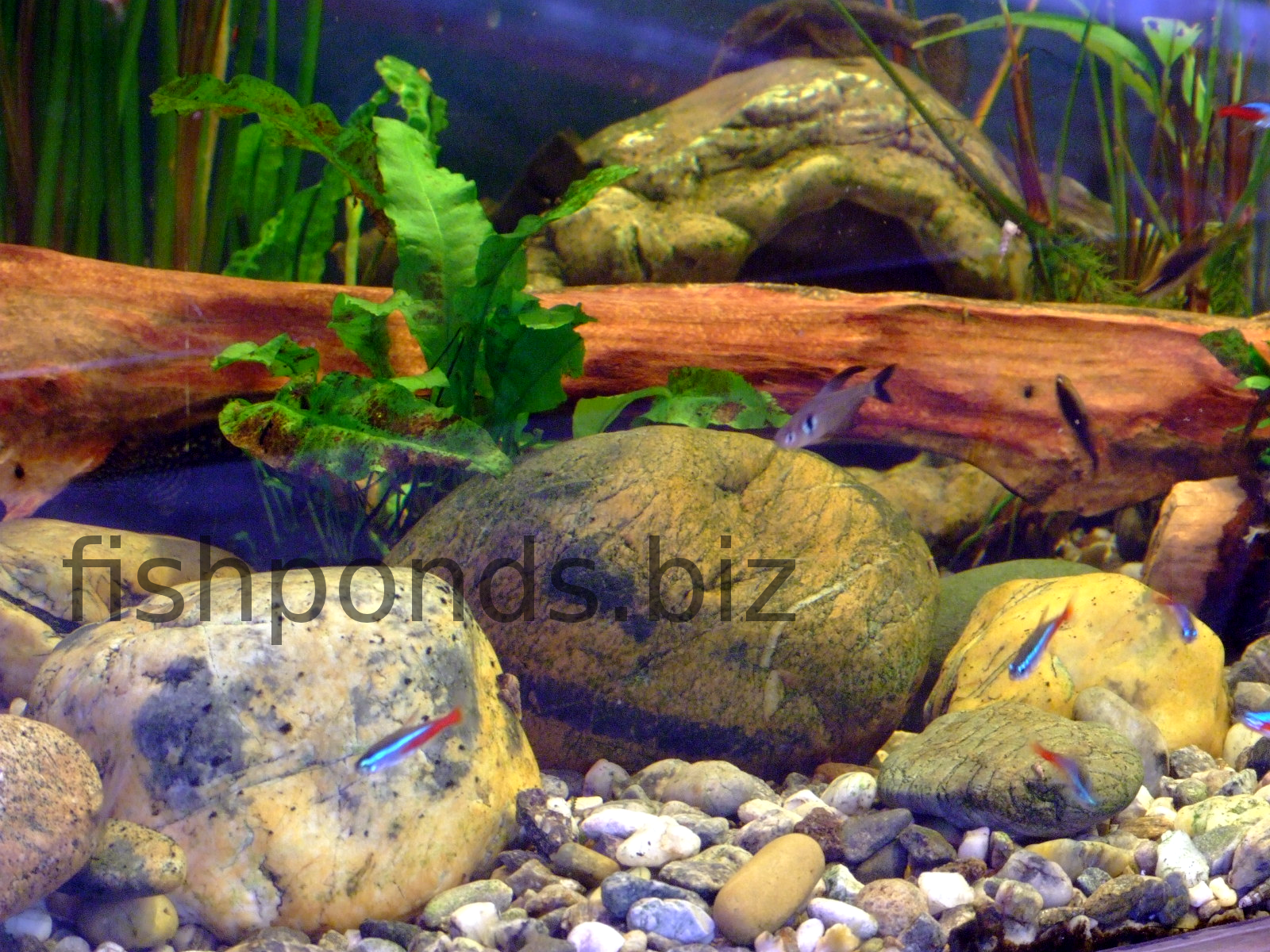
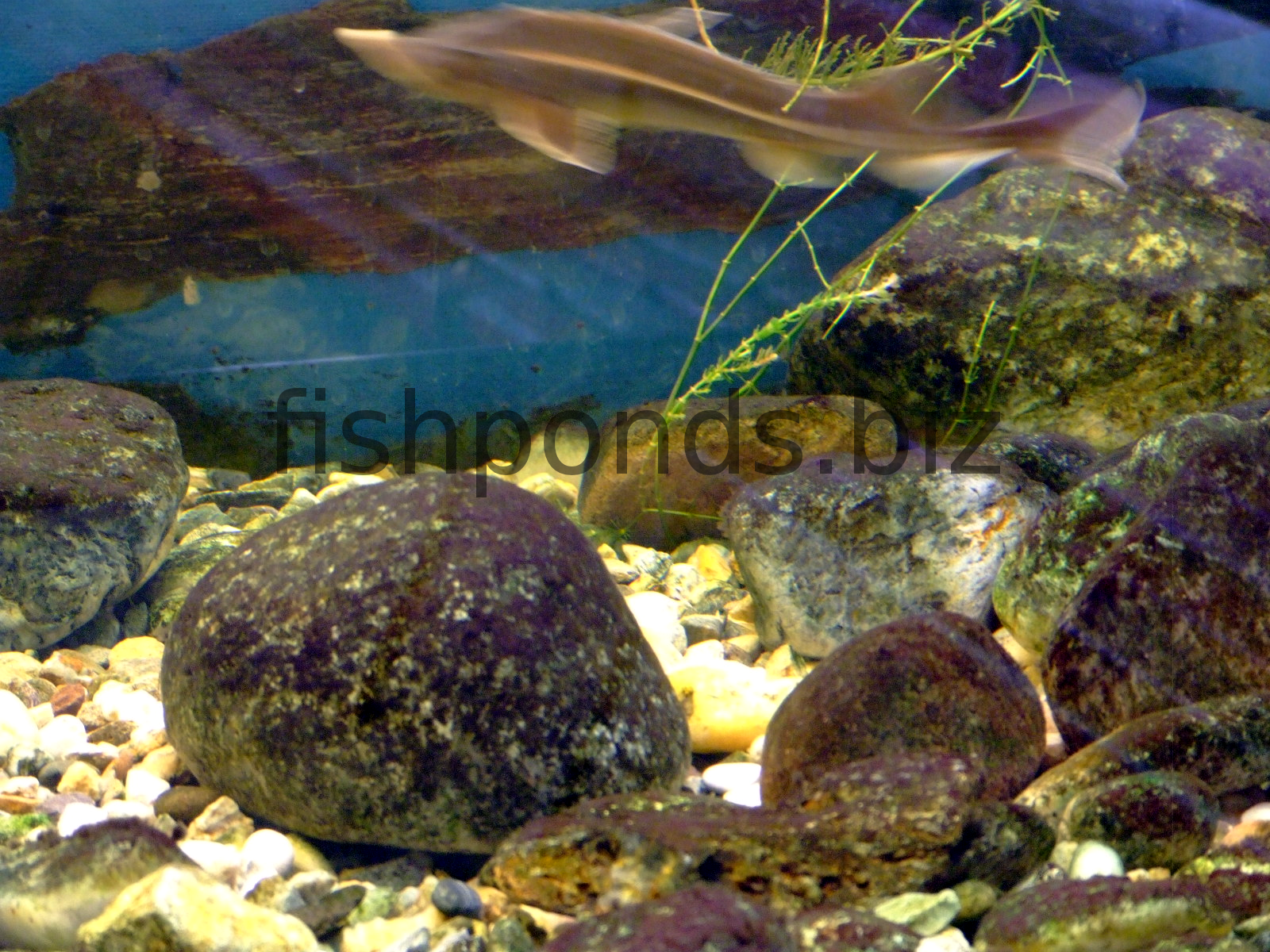
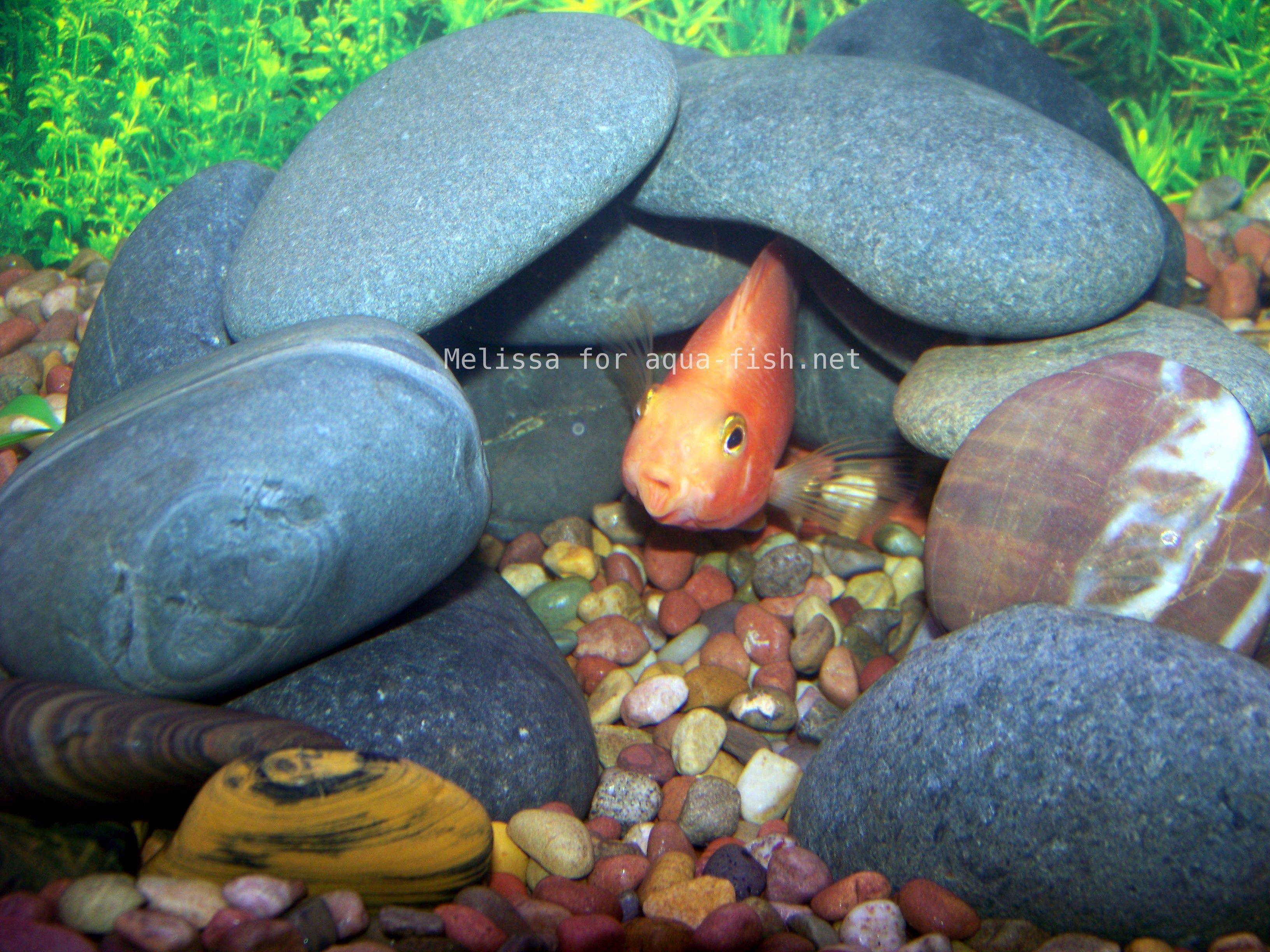
River stones, smoothed and flattened by natural water currents, offer a unique option for aquarium décor. These stones, stacked or piled, create natural caves for fish hiding spots. Due to their long exposure to water, they are typically safe for aquarium use. However, ensure the source water is free from chemicals or pesticides that could harm fish. When arranging river stones, it's advisable to use aquarium-safe silicone adhesive to secure them, preventing collapses that may endanger fish seeking shelter.
River Stones

Slate comes in flat slabs that can be used in combination with other types of rocks to form layered caves. Using slate is an easy way to construct strong and sturdy caves for larger fish. You can use the levels of slate as platforms to place plants or other aquarium ornaments on. Aquarium safe silicone sealant should always be used to secure these heavy materials to prevent harm to your fish.
Live rock can be purchased for use in marine aquariums. This particular type of ocean rock is covered with small colonies of marine life and can help to enhance the water quality in a marine aquarium. The rock itself is made of old coral that has long since died and has broken off into smaller pieces. Smaller organisms make their homes in the small cracks and crevasses of the coral.
Some aquatic plants are sold anchored to rocks for weight and stability. These are plants that have the ability to grow even when their roots are not submersed in any type of substrate. When the plants are removed from one anchor their roots are tied to another rock or log until the plant’s roots are securely latched onto its new base. The only problem that might occur with these plants is that they are usually anchored onto lava rock which, as mentioned before, can be harmful to the fish. You can still use this type of rock plant if you want to but it might be best to submerge the lava rock into the gravel to prevent injuries.
Synthetic rocks can be purchased from aquarium retail stores and websites. They can be fairly expensive and the larger it is the more it will cost. Synthetic rocks start as low as $4.00 for the smallest, plainest structures and can cost as much as $90.00 for larger, more detailed specimens. They serve the same purpose as natural rocks and stones but never alter the chemistry of the water. Synthetic rocks are formed to mimic natural looking rock and cave formations.
- Slab rock is merely a chunk of rock.
- Branch rock is made to look like branches almost like petrified wood.
- Reef rock looks just like a part of a reef with lots of uneven dimples and holes.
- Tube rocks are rocks in the shape of a hollowed out lava tube.
- Cave rocks can come pre-made as a cave or you can get puzzle-like, snap together rocks that you can be fit together to construct a unique cave of your liking.
Synthetic Rock Cave
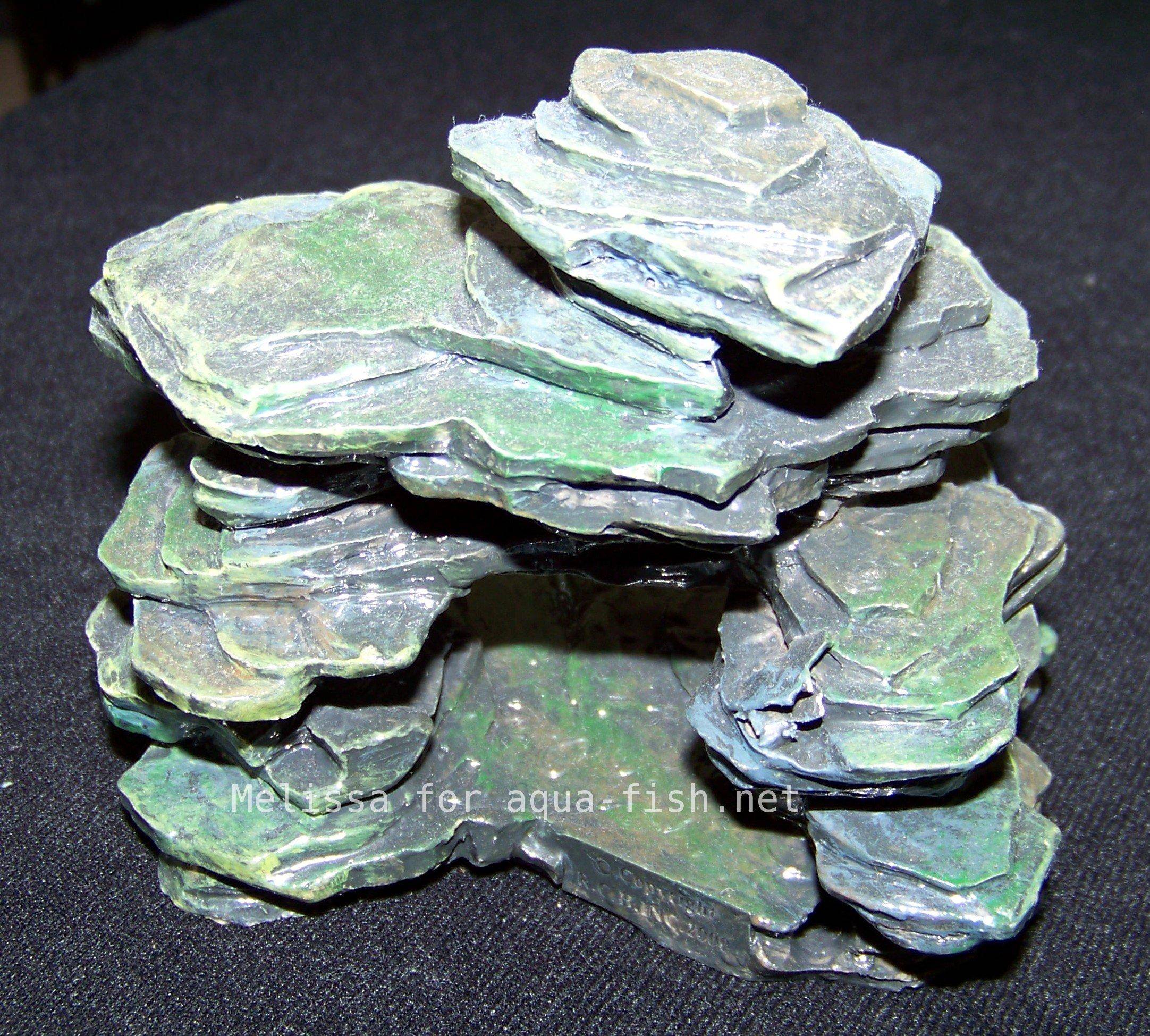
Synthetic rocks can also be found in the form of an air dispensing aquarium ornament. The purpose is to disguise the air dispensing device to have it look like an element of nature while providing the much needed oxygen into the water. This is just a productive way to disguise yet another much needed maintenance device.
Aquarium rocks are a great way to provide a natural looking environment for your fish. They add beauty as well as boundaries to your underwater environment. Although fish can live without rocks, an aquarium seems incomplete without them.

Questions and answers
On March 23th 2011 we added the following questions&answers here due to merging aqua-fish.net/answers with related articles; You're welcome to post own questions too as long as they're unique and not yet answered on this page!
-
Where to find rocks for aquariums?
Response: It's advisable to consult fellow aquarists for advice. Generally, rocks from rivers are favorable due to their diverse shapes and sizes, and they're typically free. However, at aqua-fish.net, we lean towards lake rocks. When selecting river or lake rocks, ensure there are fish present in the water source to avoid potential toxins. Additionally, test for excessive calcium content by applying vinegar to the rock; if it bubbles, it indicates high calcium levels, suitable only for African cichlids.
-
What types of rocks can I use in an aquarium?
Response: Virtually any clean rock can be used in an aquarium. Excellent options include granite, slate, volcanic glass, quartz, and Texas holey rock. These rocks can create caves and delineate territories within the tank. However, when selecting local rocks, be cautious of rust staining, as it may indicate harmful elements affecting your tank's pH balance. For further information on the types of rocks in your area, consider consulting a local geologist or natural history museum.
-
What kind of stones can you have in an aquarium?
Response: The most commonly used stones are those bought from local pet stores, although natural stones collected elsewhere can also be used. However, certain natural stones, such as sandstone, may contain elements that can significantly impact your aquarium's water quality and pH levels (look out for rusting and staining as rough indicators). Regardless of the source, all stones should be thoroughly rinsed before being introduced into the aquarium.
Online suppliers of aquarium rocks
As a result of ongoing fluctuations with suppliers, many of the links we previously provided have begun to display "Page not found" errors. Consequently, as of 2024, we have opted to recommend the use of the DuckDuckGo search engine, particularly its shopping search feature.
 Aquascaping with river rocks
 An article and discussion about decorating fish tanks
 A guide and discussion on placing driftwood to an aquarium
 How to prepare and choose wood for an aquarium
 FAQ and answers on questions about using driftwood in aquariums