Aquarium Plants - Nutrition, Care and Lighting Requirements
Quick links - Answers
- Planting
- Amounts of light
- Plants turning brown
- Foreground plants
- Background plants
- Surface aquarium plants
- Plants struggle to grow
- Profiles
- Complete database
- Plants for Angelfish
- Plants for Discus fish
- Plants for Tiger barbs
- Driftwood and aquarium plants
Guide by Susan, keeping fish since 1996
Brief Description
This article is a guide with FAQ, tips and forum - all about aquarium plants and we have a database of aquarium plants - click this link to show all records or to show the list of plants with requirements and characteristics. If you'd like to ask or share experiences regarding growing aquarium plants, use a form at the bottom of this page, please!
Introduction
Aquarium plants play important role in fish tanks since they act as natural filtration media, they act as hiding places for small and shy fish, moreover plants produce oxygen and help many fish during the breeding period because lots of fish species lay their eggs on plants while other species build bubble nests on the surface and use plants as “stabilizers” of such nests. One should pay attention as regard to which plants to purchase since there are floating, background, midground and foreground plants, plants which require hard or soft water, plants that do well in tropical or coldwater tanks, plants that require bright or subdued lighting, some fish even require plants as a part of their diet while some fish will ruin, replant or uproot any plant that an aquarist wants to grow. Follow this guide to find answers on your questions...
Water gardening is almost the same as normal gardening and aquarium plants require good conditions and care. Plants produce a major part of their food themselves in strange green cells by absorbing carbon dioxide, and they excrete oxygen in a process called photosynthesis. For this process light is needed.
Lighting:
Fixed plants need a lot of light and their demands can rise in proportion with the maturity of the tank. The optimum light input for maximum plant growth should be 3-5 Watts per 4.5 litres (1.18 US gallon, 0.98 Imperial gallon) of water. A “long day” (lighting time of 12-16 hours per 24 hours) supports growing, but can be too long for many tropical plants from near the equator. Most plants are accustomed to a day that lasts 12 hours, however the real influence equals to a 10-hour day.
Long periods of lighting can also promote algal growth in the aquarium so if this occurs it may be wise to reduce the lighting period slightly to prevent this. If the aquarium is well stocked with plants they should feed on the nutrients in the water column before the algae can feed thus reducing algal growth as well.
Recommended wattage
| Volume | Wattage |
|---|---|
| 50 litres / 13 US gal / 11 Imp. gal | 15W – 23W |
| 100 litres / 26 US gal / 22 Imp. gal | 31W – 47W |
| 150 litres / 40 US gal / 33 Imp. gal | 46W – 71W |
| 200 litres / 53 US gal / 44 Imp. gal | 62W – 95W |
| 300 litres / 79 US gal / 66 Imp. gal | 93W – 142W |
| 400 litres / 105 US gal / 88 Imp. gal | 125W – 190W |
In addition to wattage we also know four other variables which determine whether a plant is going to thrive or not, these are as follows:
Spectrum
Every package of aquarium lighting should come with information about spectrum of produced light. Ideal spectrum for aquarium plants is 650nm – 680nm (nm is wavelength).Illuminance
This variable is measured in lux.- Plants that require very bright lighting (Cabomba, Limnophila aquatica) require at least 1500lx.
- Bright light of 1000lx – 1500lx is demanded by plants such as Bacopa, Ludwigia.
- Medium light is anywhere between 500lx and 1000lx, this type of lighting is suitable for plants such as Sagittaria or Anubias.
- Java moss or Cryptocoryne are fine with subdued light which doesn’t reach more than 500lx.
Kelvin rating
Most aquarium plants will grow properly if Kelvin rating exceeds 5000K but doesn’t exceed 6800K. Noon light is rated at 6500K. Bear in mind that bulbs which are rated as 20000K or even 25000K don’t really produce that bright light, it’s pure marketing.Lumen per watt
If your bulb reaches 50 lumen per watt, then it’s satisfactory for most aquatic plants.
Plant nutrition:
As the terrestrial plants, so water plants need nutrients like nitrogen, potassium and phosphorus. They usually take it from the water via leaves, but some of them take it via roots from the substrate. It’s crucial to understand that aquatic plants need iron for producing chlorophyll, the green pigment which is essential for photosynthesis. Other elements like copper and zinc take part in other metabolic processes. Nowadays most aquatic fertilizers are nitrate and phosphate-free as these substances can be found in fish tanks as a natural product of fish’ metabolism (excrements, waste).
In general fertilisers should be applied once a month, however heavily planted aquariums will need different approach not only in frequency of fertilisation. Moreover reddish plants will need more iron than green plants. Nutrition isn’t only about trace elements, plants need Carbon dioxide during the day.
Carbon dioxide:
Carbon dioxide is part of photosynthesis and supports optimal development of the plant. A bottle of carbon dioxide fitted with a regulator should keep the level from 5 to 12 mg/l. Higher levels than mentioned could damage the liver of the fish. Such dosing devices are based on such, which are used in garden greenhouses. The simplest dosing devices are those which can be manually set and the trickiest have pH measuring tape and even are connected into a light circuit, so they shut down with the light.
Devices that pump Carbon dioxide into the tank must be turned off at night as night is a period when plants consume oxygen and fish could suffocate if oxygen level becomes too low.
Taking care
Most water gardening is a matter of good sense. You should remove plant waste, so the tank stays clean, take care of plants, so they have enough light, by dilution, separating and replanting. No special tools are needed although effective tools are simple as knitting-needles for fluffing around the plants and a scraper for removing algae from the glass.
Sick plants
Often when new aquarium plants are added to the tank, their leaves may turn brown very quickly and rot away, this is common with many species and if the plant is healthy, new shoots should soon appear to replace the old ones. Always keep a check on the plants though, if they have been in the tank for a while and the leaves start to turn brown, this could be a sigh that the plant is not receiving enough nutrients or lighting. Plants that feed from the roots will benefit from root tabs being placed into the substrate and other species of plants will benefit from liquid nutrients being added to the water column.
If it is lighting issues then not only will the leaves start to brown, the plant may simply just stop growing, or with some species leggy growth will occur as the plant reaches for the lighting. If this is the case you can try moving the plant away from neighbouring plants that may be shading it or you may have to invest in a more powerful lighting unit.
Another case: Plants get well on the beginning, but then they fade. The main cause is that most water plants experience a period of low water level, so they poke above the surface. It happens when they are breeding, blossoming and insects are pollinating them (water plants were mostly land-based and only later settled in rivers and lakes). Most plants, when they are in water, do not blossom. About one year later they get weaker and they fade although some of them live three years. Other plants need a period of rest. But giving it to them in a tank is impossible. The only way is to replace these plants with new, stronger and healthier ones.
Plants and filtration:
Filtration systems support aquarium plants, because they keep the water clean and so they support photosynthesis. We know gravel filtration, but it is not a good choice for tanks with many plants. Permanent movement of water around the roots hinder their development and it could root them up. On the other hand, electric filters help plants prosper because the moving water from the filter gently moves the plants which means some types of plants do not always stay in the shadow. The gentle movement of water caused by the filter pump helps prevent any suspended sediment from settling on the leaves.
Reproduction
Some sorts of water plants, unless they are constantly dipped, breed asexually which means it happens without flowers and seeds.
Rhizomes:
Some kinds of plants, like Anubias release rhizomes above the bottom. While others like Echinodorus’ release rhizomes into the substrate. On the end of each sprit a new plant will grow. Some Echinodurus’ have shorter, thick sprits.
Cuttings:
Many aquarium plants reproduce by cuttings where a growing part of a stem is planted. With a clean cutting cut down a part even 30 cm long. Many plants hardly root if they swim in the water or if they lay on the bottom. Steams usually root from the ganglion on the steam. However in some cases they can grow from any part of a plant. Typical plants which reproduce by cuttings are: Bacopa caroliniana, Cabomba caroliniana, Egeria densa, Hygrophyla polysperma, Limnophila aquatica,Ludwigia mullertii, Myriophyllum hippuroides and Hygrophila difformis.
Lateral roots:
Some favourite kinds of plants produce lateral rhizomes, little plants growing from the mother plant. For example Echinodorus’ create new plants from ganglions based on the leave rosette, while the Indian moss grows filial plants from the border of leaves which can separate and swim on the surface. But if you cut them down, you can plant them. Vesicularia dubyana (Java moss) creates a huge bunch of little plants separating from the mother plant and catching on any near surface.
Java Moss can even be attached to aquarium décor such as driftwood, other species that are often found attached to décor are the Anubias family or Java fern. The roots attach themselves over a period of time but they will need securing initially whilst this occurs. Use fishing line or rubber bands for this task but make sure that you remove them once the plant has secured itself, if using fishing line also make sure that there are no loose ends floating about that can tangle the fish.
There are some species of plants that do not need planting into the substrate and these are classed as floating plants, they simply float at the water surface and the roots drop below soaking up nitrates and nutrients from the water column, two examples of these are the Amazon Frogbit or even duckweed which is used by many aquarium keepers even though it can be a burden in an outside pond.
Plants for Angelfish, Discus and Tiger barb tanks
Some species of plants are more suited to various set ups than others; often we try to re-create natural surroundings for our tank set ups that do this – it’s known as biotope aquariums. For example if we are keeping Discus or Angelfish, we would then try to re-create an Amazonian set up using plants species that are found in those water ways, sometimes we may have to deviate slightly but this is the poetic license of the aquarium keeper.
Angelfish like to hide in the plants and their body markings are striped with the natural species, this calls for long leaved plants such as Vallisneria that can create hiding places right to the top of the tank. Discus tend to stay at mid levels in the tank, unless they are feeding at the substrate, I have always found the Amazon swords to give the best impact with Discus planted tanks, a few Cryptocoryne’s at the front of the tank to complete the effect. Other plants that are suitable for an Angelfish or Discus tank are as follows:
- Alternanthera reineckii
- Alternanthera rosaefolia
- Cabomba furcata
- Echinodorus amazonicus
- Echinodorus bleheri
- Echinodorus latifolius
- Echinodorus macrophyllus
- Echinodorus major
- Echinodorus osiris
- Echinodorus uruguayensis
- Egeria densa
- Eleocharis vivipara
- Heteranthera zosterifolia
- Hydrocotyle verticillata
- Hygrophila guianensis
- Lilaeopsis brasiliensis
- Ludwigia inclinata
- Mayaca fluviatilis
- Myriophyllum aquaticum
- Telanthera lilacina
- Tonina fluviatilis
Tiger barbs originate from Asia and often their natural waterways have very sparse foliage, poetic license is allowed here as they (Tiger barbs) do like to rest in the plants at night after the aquarium lights have gone out. They also have a tendency to nibble at plants sometimes so a strong species should be used. Java fern is not only a hardy species but the taste of their leaves is repulsive to the barbs, this makes the Java fern ideal for an aquarium containing Tiger barbs.
A list of suitable plants for Tiger barbs follows:
- Barclaya longifolia
- Blyxa aubertii
- Ceratopteris thalictroides
- Crinum thaianum
- Cryptocoryne affinis
- Hygrophila difformis
- Hygrophila polysperma
- Hygroryza aristata
- Limnophila sessiliflora
- Microsorium pteropus
- Nymphaea pubescens
- Rotala nanjenshan
- Vallisneria rubra
- Vallisneria torta
- Vesicularia dubyana
When selecting your aquarium plants, always check through their profiles as they may have different needs, when planting aquarium plants always take care and be extra careful with the stems, if they get crushed during the planting process they can decay and the whole plant will rot away. Be selective about the quality of the aquarium plants that you purchase, only use a good quality plant, this will give you a god start after planting as they should root quicker and start growing well. Rhizomes must not be buried in the gravel, an aquatic plant can be planted with basket that it often comes with when being purchased at the store. Never bury leaves as they'll start rotting!
Aquarium plants grow at different heights and as such are classed as being compatible in different areas of the aquarium. Obviously the taller plants are more suited to the background, medium height plants for the midground, and the smallest plants need to be at the front, namely the foreground. There are some plants that are border-line in these three areas so you will often see on their profiles phrases such as mid-background or mid to foreground, this leaves you a bit of choice as to which of these two areas you actually plant them.
Typical examples of background plants are Vallisneria which grow long, grass-like leaves or Cabomba which grow tall but are bushier with feathery foliage.
Foreground plants include Riccia fluitans or many of the dwarf Cryptocoryne’s; they are used to create green carpets at the front of the tank and need to be clear of the taller plants so that the lighting reaches them to aid the growth.
A group of plants classed as floating include:
- Azolla caroliniana
- Hygroryza aristata
- Lemna minor
- Ludwigia helminthorrhiza
- Phyllanthus fluitans
- Pistia stratiotes

Conclusion
It repays to buy first class, healthy looking plants. They are usually shown in aquariums with moving water and under good lightening which keep them in good condition. It’s best to find some information about the plant you are going to buy, so you can be sure it will grow well.
- In choosing plants remember that different plants need different types of water.
- If you want, you can mix plants from different parts of the world.
- Before you place the plant into the aquarium, look for damage to the stem or for perished leaves or roots.
- Harmonizing the plants and the rocks and wood gives the tank a natural look.
- Tanks should have a chemically neutral substrate to absorb egested fish waste.
- Light gravel is better for the roots than rubble.
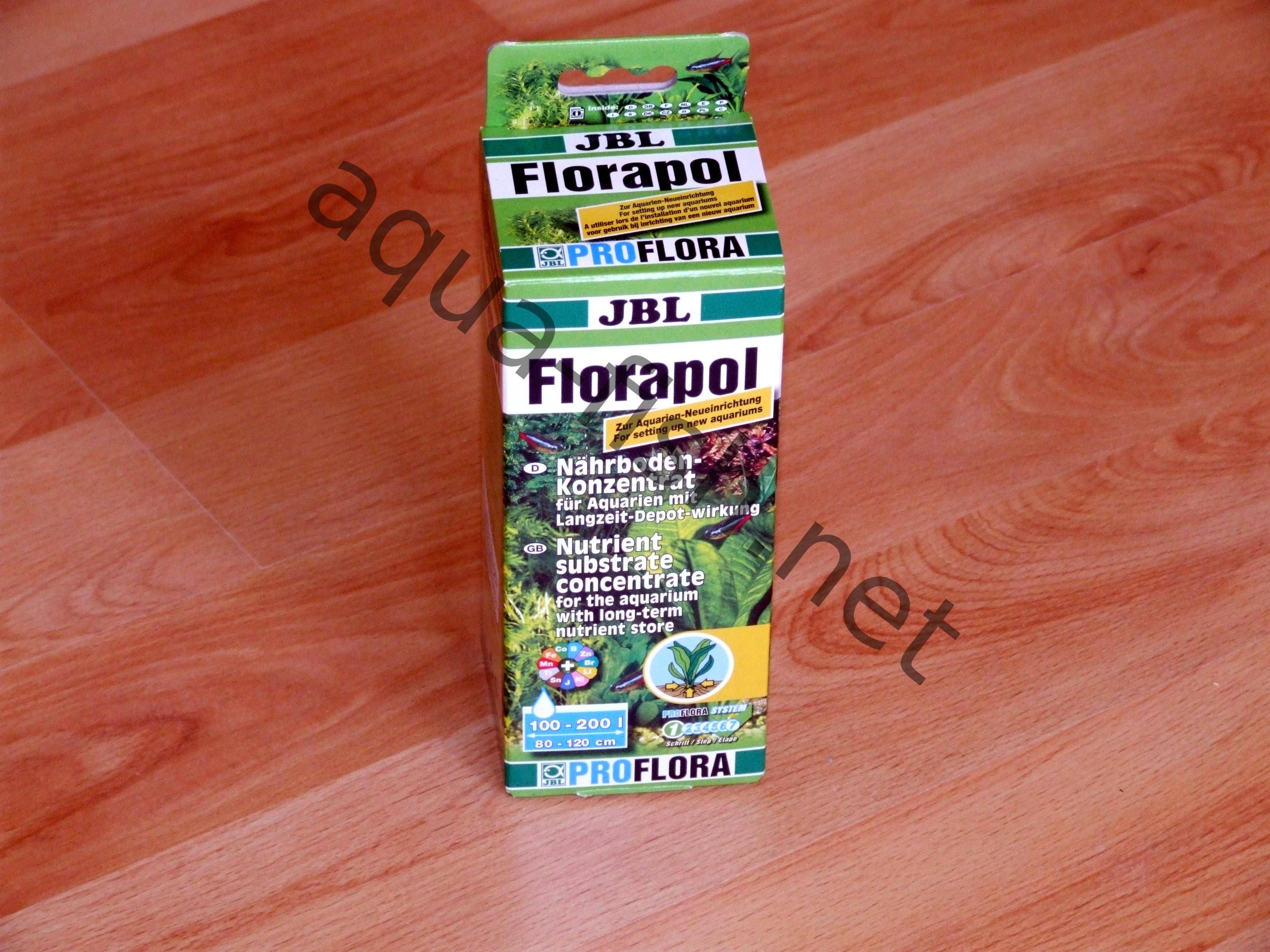
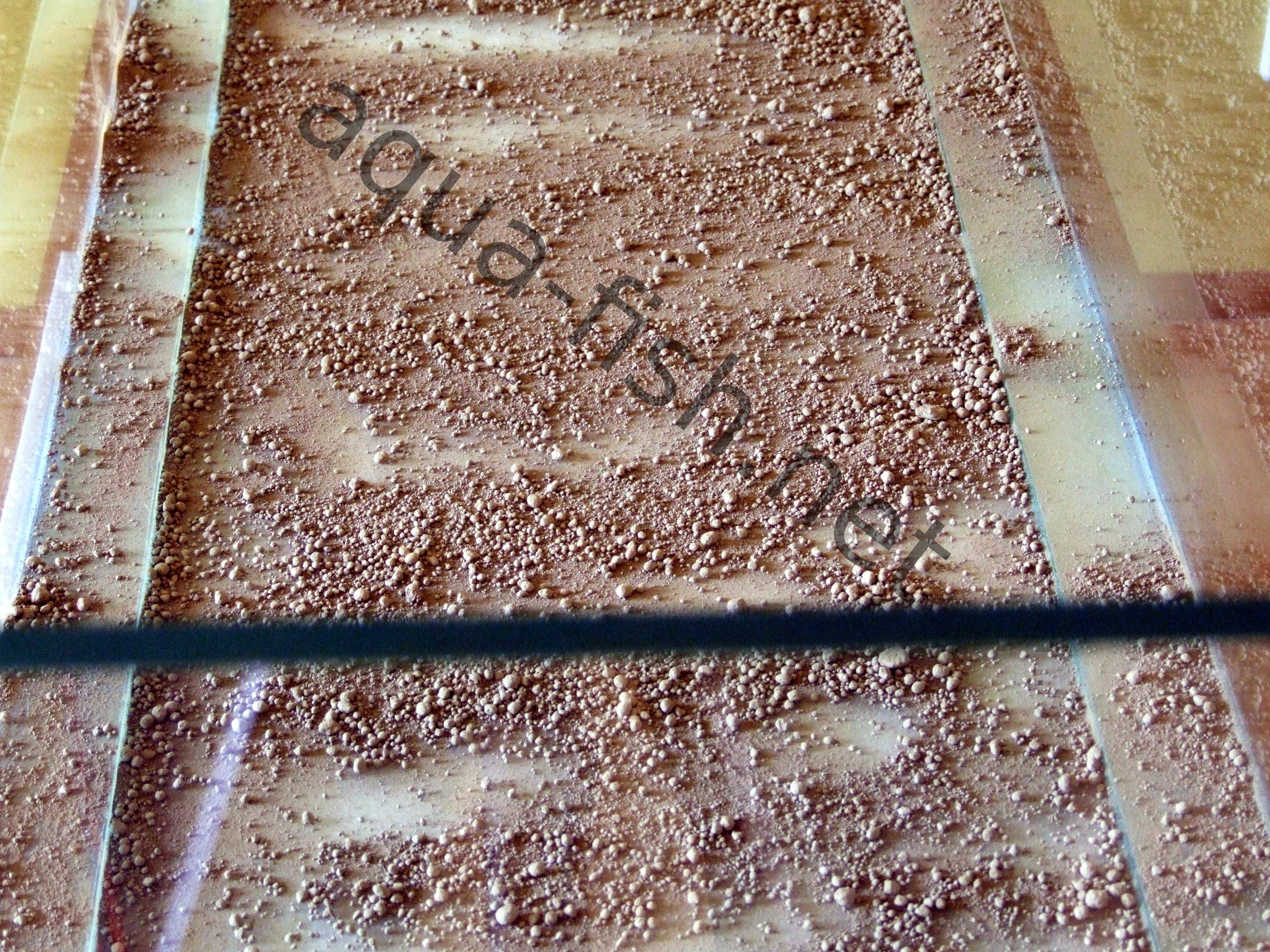
- You can mix granules from burnt clay into the gravel. They mellow the gravel and they often have trace elements.
- Many plants enrooting can be supported if you add special aquarium clay. Ordinary mixtures which are made for flower pots are not suitable. Pieces from them often rise to the surface and it may contain bad fertilizer.
- You can buy individual ingredients to go into the gravel and tablets with fertilizer for planting.
Many plants which are plentiful and quick growing are sold as snips, which the plant uses for breeding. Such plants are ideal for creating rich growth for hiding the background or machines like heating devices. They are also excellent for hiding small and shy fish. Such snips have to enroot and until that happens they will maybe need ballast so they can hold on to one place. Stems can be lined with stones, but it is important to not maul the stem because it can start to rot so it must either get to the surface or die.
Thanks for the book Aquarium by Peter W. Scott, which has been helpful when writing this article.
Other interesting reading about aquarium plants outside of Aqua-Fish.Net
If you're finished with the article and comments that can be found below (below sponsored links), and if you're finished with other articles on our website, then you're welcome to visit following webpages that help aquarists growing aquarium plants. Aquarium Plants For Beginners, How to grow & care for aquarium plants both @ AquaticCommunity.Com, Aquarium Plants of the World, Aquarium Plant Water Maintenance both @ Animal-World.Com, Problems with Aquatic Plants @ BadMansTropicalFish.Com. if any of the links doesn't work, tell us about it, please!
Questions and answers related to aquarium plants
On March 18th 2011 we merged all questions/answers originally published at aqua-fish.net/answers with the article above in order to put all related information together. Some questions may be partially answered in the article above or in the comments below. You're welcome to ask your own unique questions, we will gladly help you! Simply use a form at the bottom of this page for this purpose, please.
-
What should the temperature of a planted tank be?
Answer: Always research the temperatures that different species of plants require before you purchase. Most plants will accept a wide range of temperatures but the average tropical tank will run at 24-26 degrees Celsius.
-
What should I feed my aquarium plants?
Answer: The best food to give your plants is a general aquatic fertilizer containing the trace elements, iron and potassium. The plants will also feed from any nitrates and phosphates present in your water.
-
What should I do with my aquarium plant trimmings?
Answer: When you have plant trimmings after a pruning session in the aquarium, ask some of your friends if they would like them to grow on in their aquariums. If nobody wants them they should be placed in a bag before putting them into a refuse bin.
-
Which terrestrial plants can be used in aquariums?
Answer: The simple answer to this is none. Only aquatic plants should be added to the aquarium, terrestrial plants will gradually die off and rot away spoiling the quality of your water.
-
Where can I buy aquarium plants?
Answer: Most local pet shops stock both live and plastic plants. Be sure to check live plants needs as some will require special potting, lighting, or water conditions. Others will benefit from a CO2 reactor. Online shops or sales associate will be able to give you information on your plants specific needs. Always check local regulations before collecting local specimens or importing from another country.
-
Which plants should I add with my Oscar?Answer: Adding plants to an Oscar tank will not benefit the fish at all. It will eventually uproot and destroy them. It is far better just to add sand or gravel with some rocks.
-
Which plants can I use in a discus aquarium?Answer: Swords, Crypts, Java fern and Java moss should all thrive well in a soft water discus aquarium. Several species of Vallisneria will be o.k. but they do prefer harder water.
-
What do you need for a planted tank?
Answer: A deep bed of substrate for planting in, some plants, grow lights, and to really help things along get yourself a CO2 fertilizer kit.
-
What do plants do that benefits the aquarium?
Answer: They provide the fish with oxygen and food, they help keep the water balanced, they also provide hiding places for your fish and any fry that may come along.
-
When can I put plants into an aquarium?
Answer: Plants can be added to the aquarium as soon as it has been set up. It is often a good idea to introduce the plants 3-4 weeks before you add any fish as they will help to filter out nitrates from the water.
-
What causes aquarium plants to pearl?
Answer: One possible cause of pearling plants is high CO2 levels but this will also help to fertilize them.
-
What does it mean when an aquarium plant “melts”?
Answer: Plant meltdown means that leaves will start to decay and rot right down to the stem. This is caused by either lack of nutrients or too many nutrients/lighting in the tank.
-
Why use plants in an aquarium?
Answer: Plants added to an aquarium not only look good aesthetically but remove a lot of the nitrates from the water as they will feed on them.
 How to grow and care for Anubias Barteri var. Congensis in aquariums
 A guide on growing Bacopa plants in aquariums
 An article and advice on growing Cryptocoryne species as aquariums plants
 How to grow Anacharis - Egeria densa in aquariums
 Why have a Planted Tank?
 Growing Java moss (Vesicularia dubyana) in aquariums
 How to build a natural planted aquarium
 Growing Pistia stratiotes in fish tanks
 How to grow plants in an aquarium
 Plants in an uncycled aquarium
 Pros of adding plastic plants into an aquarium
 Simple Aquascaping
 A guide on choosing proper lighting for aquarium plants
 How to grow Vallisneria gigantea or spiralis and Anubias nana in fish tanks together
 Advantages of using silk aquarium plants