Types of aquarium medications - Guide with Forum
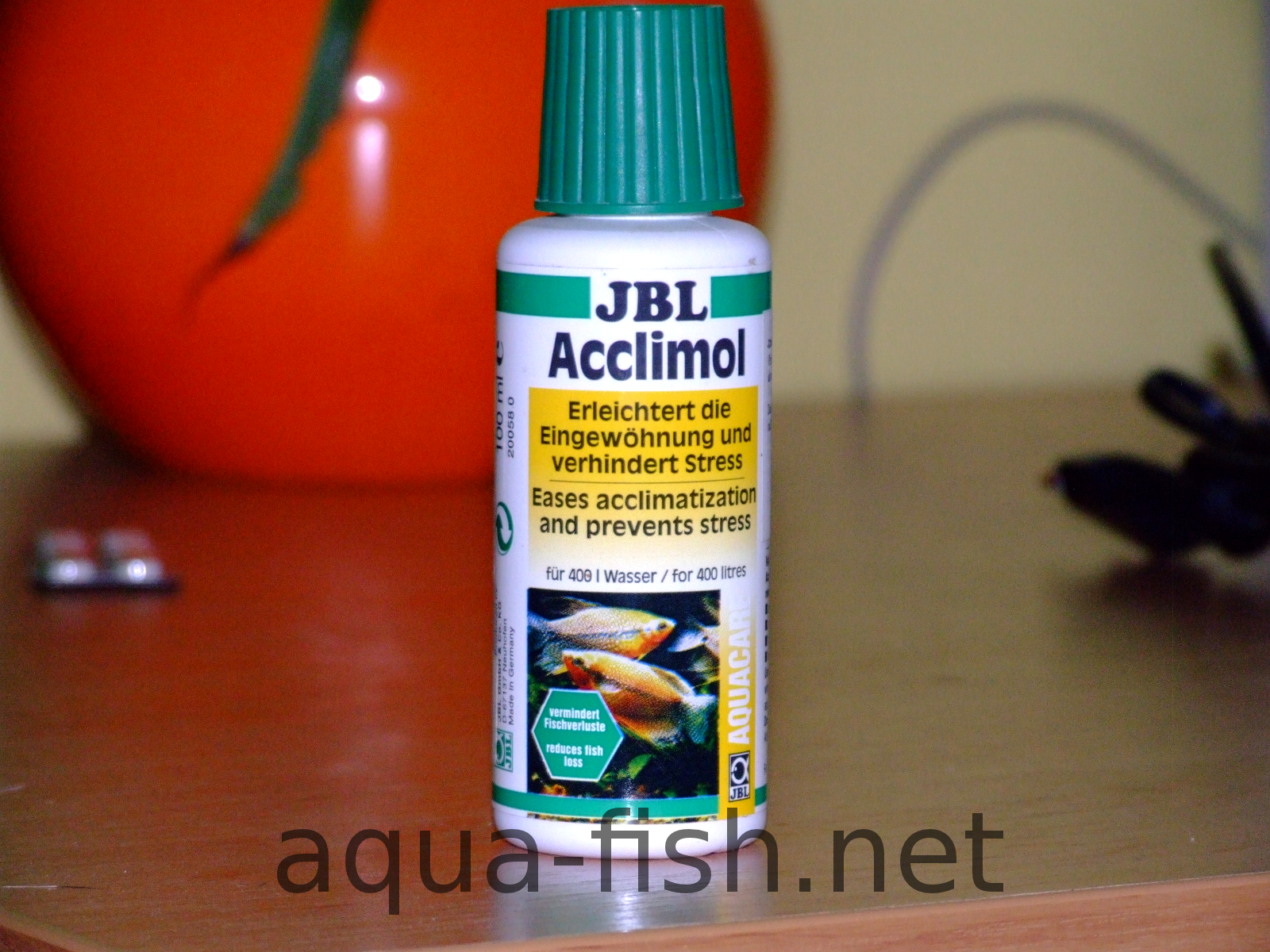
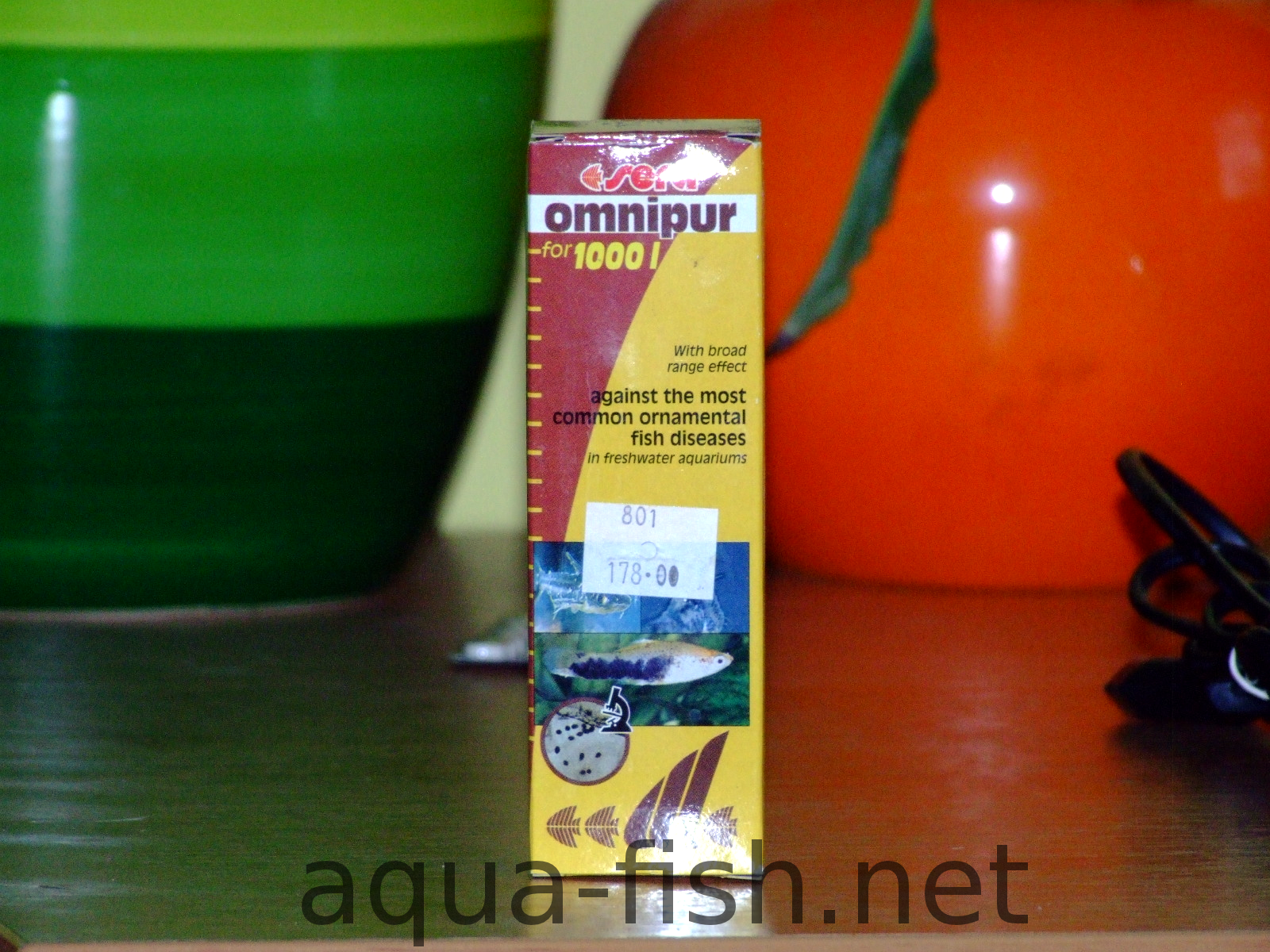
Brief description
If you came here searching for online suppliers of aquarium fish medications, then click this link! If you need knowledge continue reading the article, it contains tips and forum in case something isn't clear or answered yet on this page. You're welcome to share knowledge and tips too!
| Dropsy | Fungal infection | Popeye |
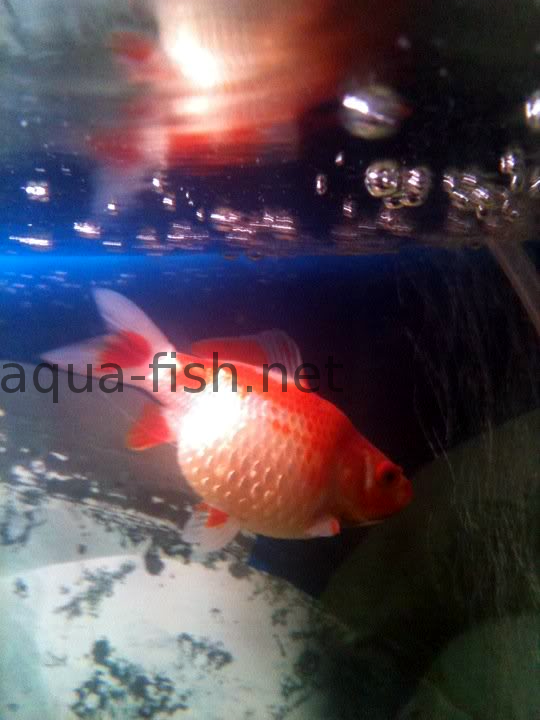 | 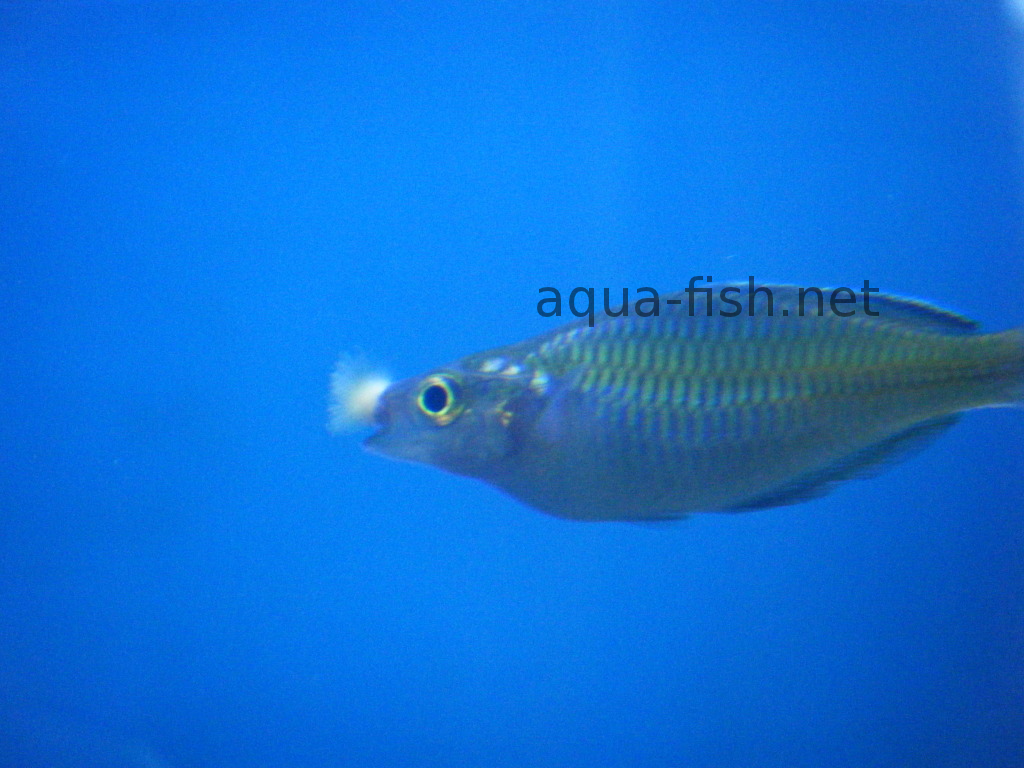 |  |
| picture source - fishtankforum.co.uk, reprinted with permission | ||
The corner stone in building a medicine kit for any aquarium should be a water test kit. General health problems in the aquarium are usually caused by the water, and any irregularities in chemical or biological content can be detected and analyzed using a test kit or test kits. The tests that need to be carried out are for excessive levels of ammonia, nitrates, pH, GH and KH.
It is also very useful to have a dechlorinator around to ensure that the water is free of chlorine in any form. Rock salt should be included in your medicine kit as it acts as a preventative from all forms of parasitical bacteria attacking the fish
Aquarium medications that should be in your kit should include the following:
Potassium permanganate – useful for general disinfecting Methylene blue – will help in reversing brown blood disease Formalin and malachite green - will destroy many of the common parasites found in an aquarium such as Rid Ich or Quick cure) Praziquantel – used to eradicate flukes in the water Anti-Parasite Medicated Fish Food – Useful in the treatment of flagellates, trematodes, hexamita (hole-in-head), cestodes, spironucleus, intestinal worms, nematodes, and tapeworms. Tricide Neo or Neocide 3 dip – an antibiotic that provides stronger than usual resistance to bacteria. Kanamycin, Maracyn1&2 or Jungle Fungus Cure – Any of these antibiotics that can be introduced into the aquarium water are very important additions to an aquarium medicine kit. Clove oil or Finquel (MS-222) - These chemicals or useful to have around for sedating the fish, either individually or collectively.
These examples of aquarium medications represent only a very small percentage the general choices that should be used in first aid of fish in an aquarium. For someone who wants to take the treatment levels a stage or two further will need to study about specific diseases liable to affect the varieties of fish kept in the aquarium. Information on specific aquarium fish diseases and on the ideal medications to be used in treatment should be readily available online. Those aquarists who want to be more involved in diagnosing illnesses within their aquarium tank might consider acquiring a microscope as well as slides and cover slips, all readily available on line.
For first aid treatment to individual fish that may have become injured it is a very good idea to make sure that the following items are within easy reach.
3% hydrogen Peroxide, Iodine, Triple antibiotic cream, Gauze, A soft toothbrush – useful for cleaning fin rot, ulcers or wounds Tweezers – for removing gravel that could get stuck in the fish’s mouth
If the need arises to treat diseased goldfish separately it may be a good idea to prepare a simple quarantine tank as a vital addition to an aquarium medicine kit.
A quarantine tank allows the habits of the diseased fish to be studied without running the risk of any other fish in the main tank becoming infected. If an aquarist deals with fish that are expensive and rare, the cost of keeping a quarantine tank in reserve will far outweigh that of having to replace all of the fish in the tanks if the disease is contagious and they all die.
Obviously setting an ancillary quarantine tank will cost considerably less than a main tank. It will be smaller in size and require basic accessories, such as simple mechanical and biological filtering, heating and thermometers to test water temperature.
Taking care of the welfare and the health of the fish in their care is part of the responsibility of an aquarist. If done properly it can bring a lot of satisfaction. The aquarium operator enjoys the back up of the internet in maintaining their fish in healthy condition. Either by accessing the wealth of information available or purchasing the bulk of the medications and specialist materials required.
Online suppliers of fish medications
If any link shown in the list below doesn't work, inform us via form at the bottom of this page, please.
 Aquarium refugiums
 Benefits, use and preparation of distilled water for a fish tank
 Causes, symptoms and treatment of the Neon Tetra Disease
 Treating Dropsy in Aquarium Fish
 Treatment of ill fish and the most common diseases of aquarium fish
 Ich; The white spot disease and its treatment
 A page that explains the life cycle of Ichthyophthirius multifiliis and its treatment
 Treating the swim bladder disease in aquarium fish
 Symptoms and treatment of the fin rot disease in aquarium fish
 What is chloramine and how it affects fish in aquariums