Landscape Your Aquarium with Aquarium Driftwood
Quick links - Answers
- How to clean driftwood for aquarium
- How much does driftwood alter pH
- How to keep driftwood at bottom of tank
- How to attach plants to aquarium driftwood
- What if I boil aquarium driftwood
- What does driftwood do
- How to make driftwood aquarium safe
Advice by Jan, keeping fish since 1995

Brief Description & Links
If you came here looking for online suppliers of aquarium driftwood, simply follow this link and you'll be forwarded to a list of places where it's possible to buy driftwood! Otherwise - This is a guide on using driftwood in fish tanks with FAQ and place for sharing experiences - use a form at the bottom to tell us your experiences or ask questions!
Introduction
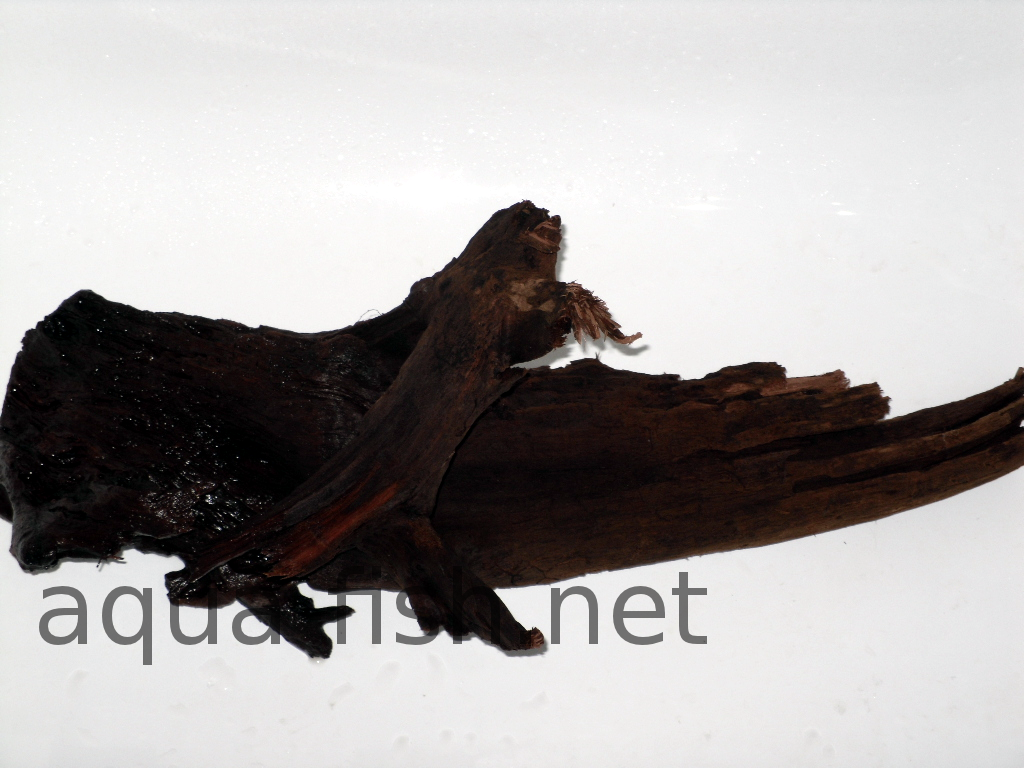
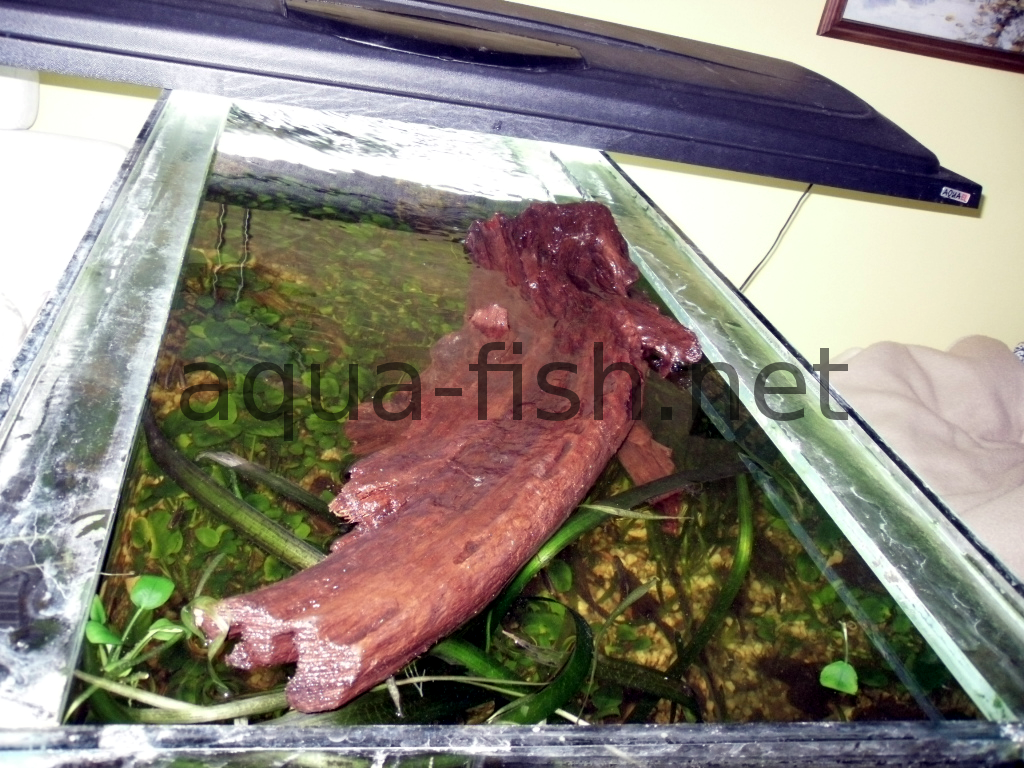
Much like adding aquatic plants to your aquarium, adding driftwood to your aquarium can certainly add to that eye-popping effect you are looking for. Driftwood is basically a piece of wood, that has been dried. Unlike aquatic plants, driftwood sinks naturally to the bottom of your tank, eliminating the need to be anchored in place, all you need to do is place it where you want it and will stay there until you or your fish move it to a new location. Each piece of driftwood has its own unique character and appeal, and can be used to build attractive underwater caves for your fish.
If your fish tend to like to stay on the bottom of the tank, adding heavy driftwood will sometimes get them to move up to the middle and top of the tank. There are a number of varieties of aquarium driftwood that you can purchase online to add beauty and dramatic effect to your aquarium tank.
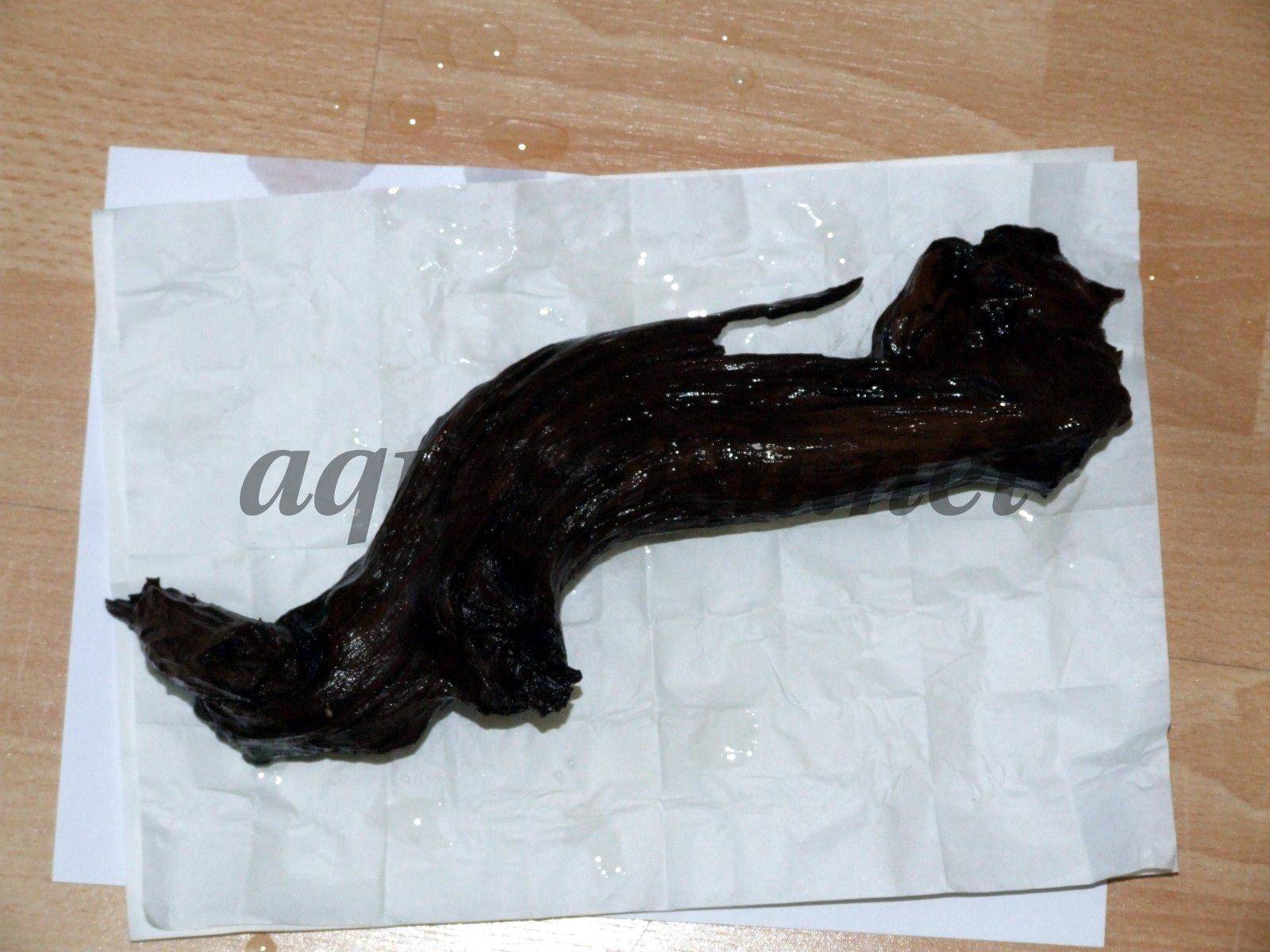
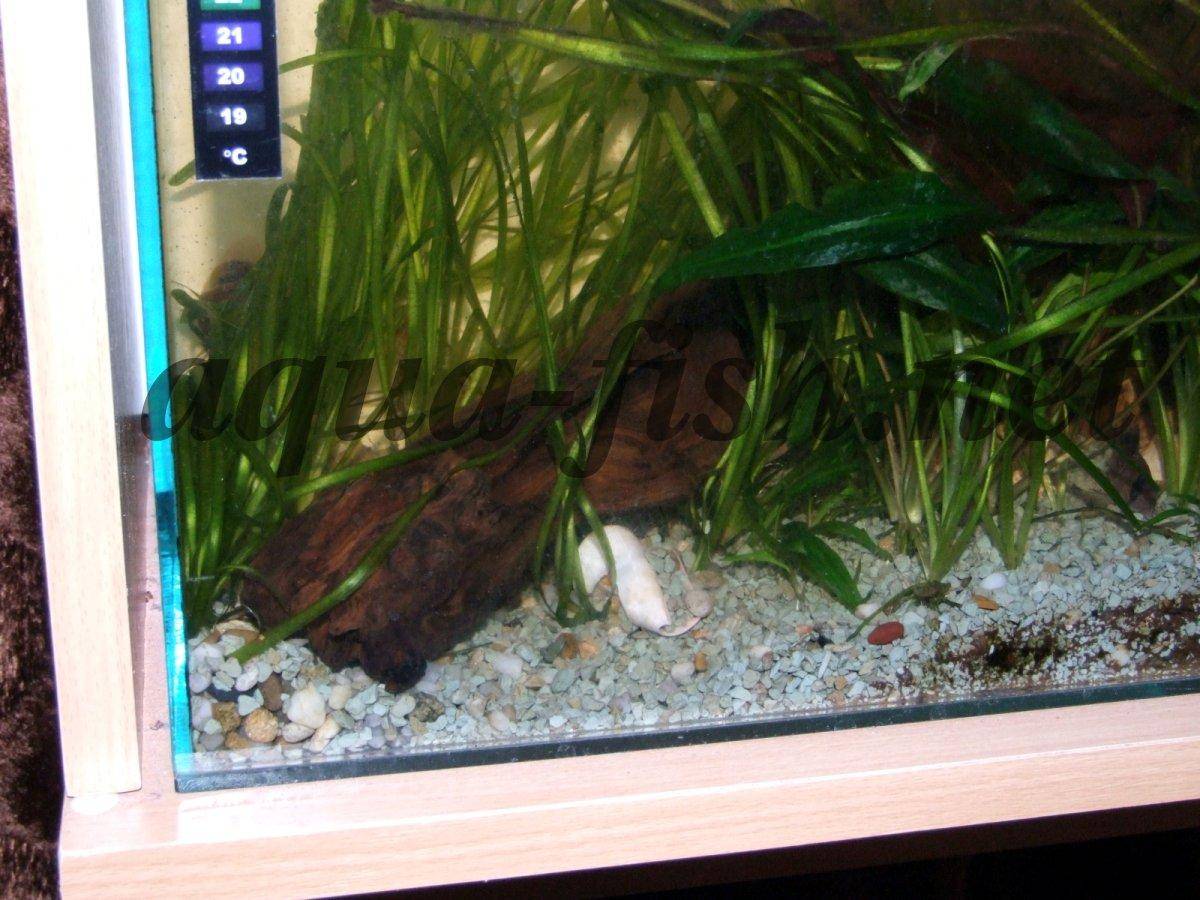
You can find Asian driftwood, planted driftwood (has ferns growing on top), Caribbean driftwood (very smooth, doesn’t cause any water discoloration), and branchy and stump aquarium driftwood (from off the coast of Florida). Many websites also sell driftwood kits, which will give you a variety of pieces in various shapes and sizes to add to your tank, kind of like a sampler.
Aquarium driftwood that has already been cleaned can be purchased too, and is all ready for placement in your tank. Some companies guarantee their driftwood to be completely safe for your fish, and also guarantee that it will not affect the quality or color of the water in your tank.
If you are looking to add some exotic pieces to your tank for boasting to your friends, consider trying to locate some imported African driftwood. Most of this aquarium driftwood can be purchased in carrying sizes and shapes, ranging in price from $10 per piece, all the way up to $38 for some of the larger pieces. Keep in mind the size of your aquarium, and what you plan to use the driftwood for when purchasing.
Other companies also will make custom pieces for you, made from the material you choose. These pieces do come at a significantly higher price, but for the avid aquarium owner, they are often a well-loved decorative aquarium piece.
If you visit a beach, or live near one, you can incorporate pieces of driftwood you find into your own aquarium. This can be a very fun hobby, also one that is good for the whole family to participate in. What better way to decorate your aquarium than with pieces that you have actually found yourself? You have to be careful when you do this, as adding a contaminated piece of driftwood to your aquarium could be fatal to your fish. So do your research first, and soon you will find your own methods for curing and cleaning your own driftwood pieces.
Making a piece of wood safe for a tank
When looking for driftwood pieces you can use, try to find those that seem to have spent a lot of time exposed to the elements, and that have that distressed appearance. Be certain to strip any remaining bark or debris from the piece, and now is also the time to trim away any unwanted branches. Allow the pieces to soak in a bleach/hot water solution, ten parts water to one part bleach. Make certain that the wood is completely covered by the solution, and allow it to soak undisturbed for a minimum of twelve hours. Then drain the water, make a new mixture using the same recipe, and soak again for twelve hours. Purchase a dechlorinator that is safe for aquarium use, and soak the new aquarium driftwood in it for approximately two hours. Drain this mixture, and soak the wood again in plain hot water for another twelve hours. You have to let the wood dry all the way through, before going on to the next step. It may take several days for the wood to dry, depending upon the weather and climate where you live.
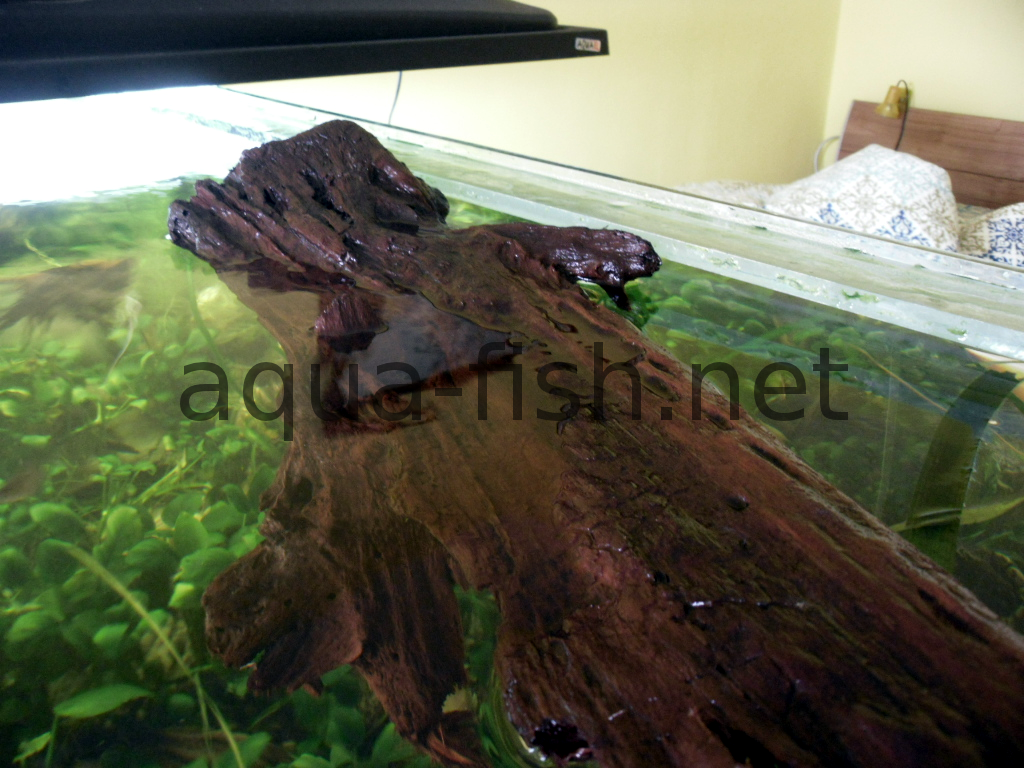
After going through this process, your piece of driftwood will likely not stay submerged in your aquarium. If you do not want it to float, you can drill a hole and secure a small piece of slate in the hole, which will help to weigh the piece down enough to hold it in position inside the tank. You can attach the slate to the wood using a small wood screw. Rinse the piece of driftwood again to remove any dirt or dust from installing the slate and the screw. Your new piece should now be safe to add to your tank.
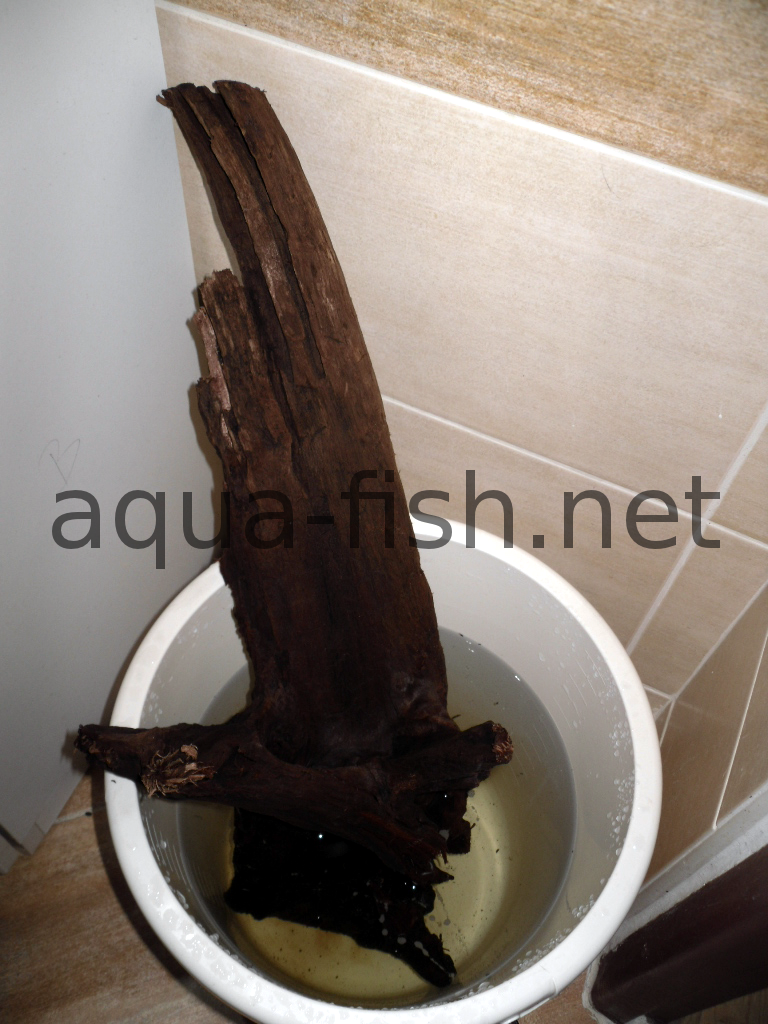
After adding your piece of newly made aquarium driftwood, it is a good idea to closely monitor the pH of your water, and watch for any signs of water discoloration. If you see any water color changes, soak the piece again in plain water until it has finished fading, then place it back in your aquarium. Making your own aquarium driftwood is not only more economical, but gives you a sense of accomplishment, and all the more joy at showing off your beautiful aquarium driftwood creations.
Whether you choose to buy your aquarium driftwood, and find it and craft it yourself, you surely will take pride in your new aquarium driftwood creations.
How to clean driftwood for aquarium
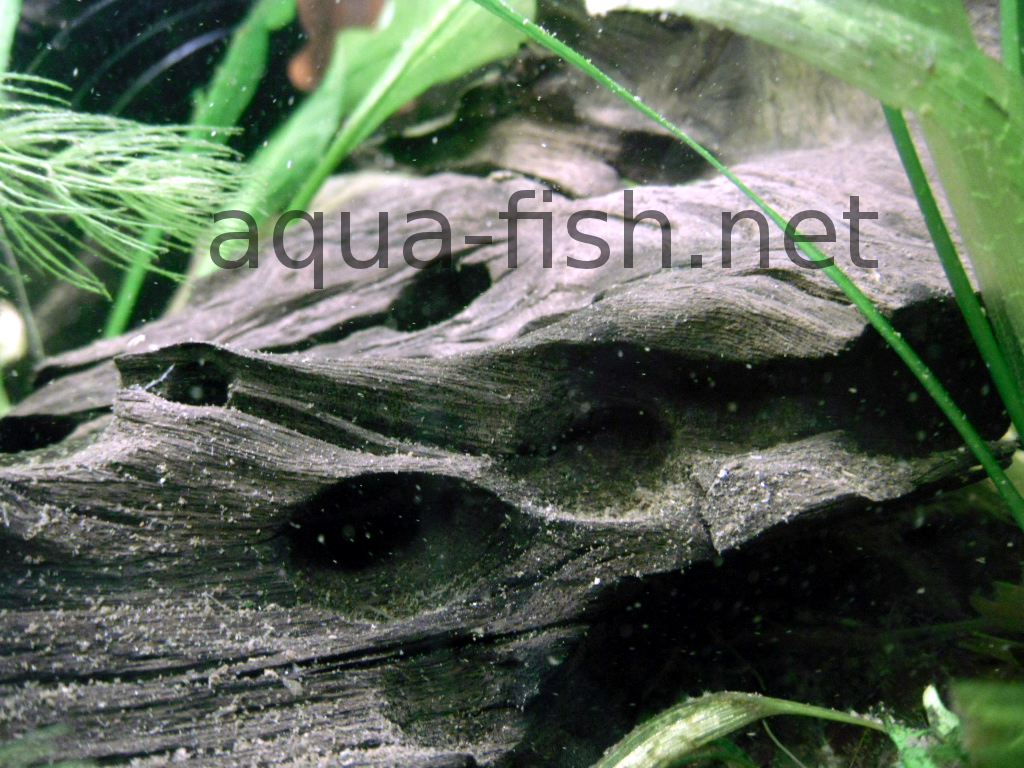
Cleaning can be meant as "after buying" and "after some time of presence in a fish tank". Cleaning after purchase is simple, it's necessary to boil the driftwood and let it boil for an hour or even longer. Of course, if the driftwood is too big, then it's not possible to boil it. In such a case put the driftwood into bathtub and pour off boiling water into it. The second case of cleaning is when the driftwood becomes green because of algae. No matter if you're trying to clean the excrements or algae, the procedure is always same; Use brush and clean as long as you want. I personally don't remove algae as it's beneficial and looks natural. It's possible to use boiled water again if there has been an illness in your aquarium for example.
It's not wise to clean the driftwood just because it makes water yellowish or dark. You can't avoid it indeed.
As you can see above, boiling is completely OK and thus the question "What if I boil aquarium driftwood?" has very simple answer; Nothing bad will happen. Some fish keepers aren't sure, so I rather answered this question here. Boiling driftwood is also a way to make it safe for usage in your aquarium. Boiling won't kill all bacteria as some bacteria can survive in worse environments, but the temperature of 100°C should make it completely safe for any aquarium. Remember, the longer it boils, the better. If you boil an object, it takes a while until temperature from outside reaches inner parts.
How much does driftwood alter pH?
There is no 100% precise answer. Each driftwood is of different size, each aquarium has different setup, each aquarium has different water parameters such as carbonate hardness, total hardness, temperature, pH and so on. In general, pH becomes lower after adding a driftwood. The larger fish tank, the lower effect on pH. Bear in mind that the pH won't be affected overnight, it's a long-term process. Keep monitoring water parameters once a week. If pH is very low and unacceptable, add sodium bicarbonate to increase it again.
How to keep driftwood at bottom of tank?
If you bought driftwood that cannot sink, then put it into a bucket with water. Wait a couple of days, it should help. Sometimes it's necessary to wait even 2 weeks. If the process is too slow, attach the driftwood to some rock (use aquarium silicone for example), and it will work. After a couple of months the driftwood will become heavier and will stay at the bottom without being attached to another object.
How to attach plants to aquarium driftwood?
Attaching plants to a driftwood is very easy, you only need a stitch or a fibre. Don't tighten too much as it could damage the plant. If the plant has roots, they'll grow on the driftwood as time goes by and any stitch won't be needed after a couple of months.
What does driftwood do in an aquarium?
The purpose of an aquarium driftwood is as follows: Decoration, Hiding place, Spawning place, Makes water soft (reduces pH). Many fish species are used to swim in rivers and lakes where fallen wood, often decaying, is a piece of their natural habitat.
Will I ever need to take out the wood from my aquarium?
The only time that you should need to remove wood décor from the aquarium is for cleaning purposes only. Sometimes it may need cleaning of algae.
Why should I use driftwood in the aquarium?
Answer: Fish keepers add driftwood to their aquariums for décor or if they are trying to create a tank design linked to a certain area of the world.
This article includes some information found on the following websites: nl.piranha-fury.com, aquariumdriftwood.com, azgardens.com
Aquarium driftwood online
We manually selected the following websites and all links were valid on June 29th 2011. If any of them doesn't work, or if you want to suggest a new one, or if you just want to share your experiences about driftwood, use a form at the bottom of this page, please!
 Aquascaping with river rocks
 An article and discussion about decorating fish tanks
 Using rocks in fish tanks with a friendly forum and FAQ
 How to prepare and choose wood for an aquarium
 FAQ and answers on questions about using driftwood in aquariums